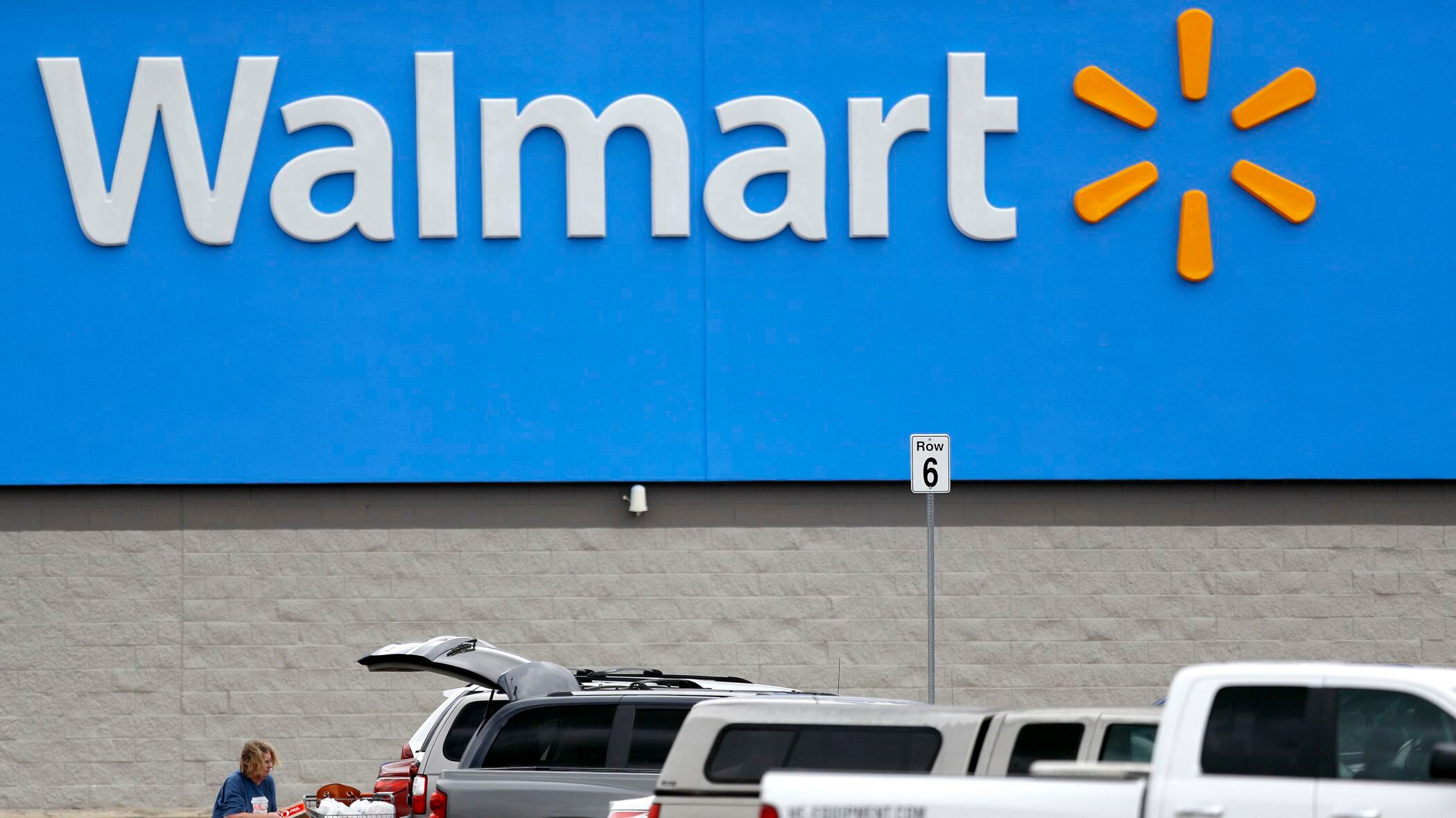
In this March 31, 2020 file photo, a woman pulls groceries from a cart to her vehicle outside of a Walmart store in Pearl, Miss. Walmart is teaming with the General Motors' Cruise autonomous vehicle unit to test automated package delivery in Arizona. (AP Photo/Julio Cortez, File)
By Michael Balsamo and Ann D'Innocenzio
The Justice Department is suing Walmart, alleging the company unlawfully dispensed controlled substances through its pharmacies, helping to fuel the opioid crisis in America.
The civil complaint being filed Tuesday points to the role Walmart’s pharmacies may have played in the crisis by filling opioid prescriptions and by unlawfully distributing controlled substances to the pharmacies during the height of the opioid crisis. Walmart operates more than 5,000 pharmacies in its stores around the country.
The Justice Department alleges Walmart violated federal law by selling thousands of prescriptions for controlled substances that its pharmacists “knew were invalid,” said Jeffrey Clark, the acting assistant attorney general in charge of the Justice Department’s civil division.
Federal law required Walmart to spot suspicious orders for controlled substances and report those to the Drug Enforcement Administration, but prosecutors charge the company didn’t do that. Walmart couldn’t immediately be reached for comment.
“Walmart knew that its distribution centers were using an inadequate system for detecting and reporting suspicious orders,” said Jason Dunn, the U.S. attorney in Colorado. “As a result of this inadequate system, for years Walmart reported virtually no suspicious orders at all. In other words, Walmart’s pharmacies ordered opioids in a way that went essentially unmonitored and unregulated.”
The suit alleges that Walmart made it difficult for its pharmacists to follow the rules, putting “enormous pressure" on them to fill a high volume of prescriptions as fast as possible, while at the same time denying them the authority to categorically refuse to fill prescriptions issued by prescribers the pharmacists knew were continually issuing invalid prescriptions.
AP reported the news of the lawsuit ahead of the Justice Department's public announcement, citing a person who could not discuss the matter publicly before the announced move. The person spoke to the AP on condition of anonymity.
The Justice Department’s lawsuit comes nearly two months after Walmart filed its own preemptive suit against the Justice Department, Attorney General William Barr, and the Drug Enforcement Administration.
In its lawsuit, Walmart said the Justice Department’s investigation — launched in 2016 — had identified hundreds of doctors who wrote problematic prescriptions that Walmart’s pharmacists should not have filled. But the lawsuit charged that nearly 70% of the doctors still have active registrations with the DEA.
Walmart’s lawsuit alleged the government was blaming it for the lack of regulatory and enforcement policies to stem the crisis. The company is asking a federal judge to declare the suit has no basis to seek civil damages. That suit remains ongoing.
The initial investigation was the subject of a ProPublica story published in March. ProPublica reported that Joe Brown, then U.S. attorney for the Eastern District of Texas office, spent years pursuing a criminal case against Walmart for its opioid prescription practices, only to have it stymied after the retail giant’s lawyers appealed to senior officials in the Justice Department.
Two months later, Brown resigned. He didn’t give a reason for his departure except to say he would be “pursuing opportunities in the private and public sectors." Brown went into private practice in the Dallas area.
Updated on December 22, 2020, at 3:44 p.m. ET with additional details.
Stocks closed lower Tuesday as investors weighed higher than expected producer price index data, released one day before the Federal Reserve's two-day December meeting concludes. The Fed is expected to announce its decision about speeding up its asset tapering timeline, and a potential interest rate hike. Barry James, portfolio manager at James Investment Research, joins Cheddar News' Closing Bell to discuss investor skittishness, what the Fed might announce, and more.
As 2021 is approaching its end, the meme stock mania that surrounded companies like Gamestop and AMC this year doesn't seem to be going anywhere. Stocks for both companies plunged to their lowest levels in months on Monday, but on Tuesday, traders seemed to come to the rescue, as the stocks for both companies saw rebounds. Great Hill Capital Chariman Thomas Hayes joins Cheddar News' Closing Bell to discuss.
Upward Farms is an indoor vertical farming company on a mission to heal our broken food system and reconnect consumers with organic locally-grown food. The Brooklyn-based company uses its controlled environment farms to grow organic leafy greens, which are sold at whole foods markets in New York City. Upward Farms co-founder and CEO Jason Green joined Cheddar Climate to discuss.
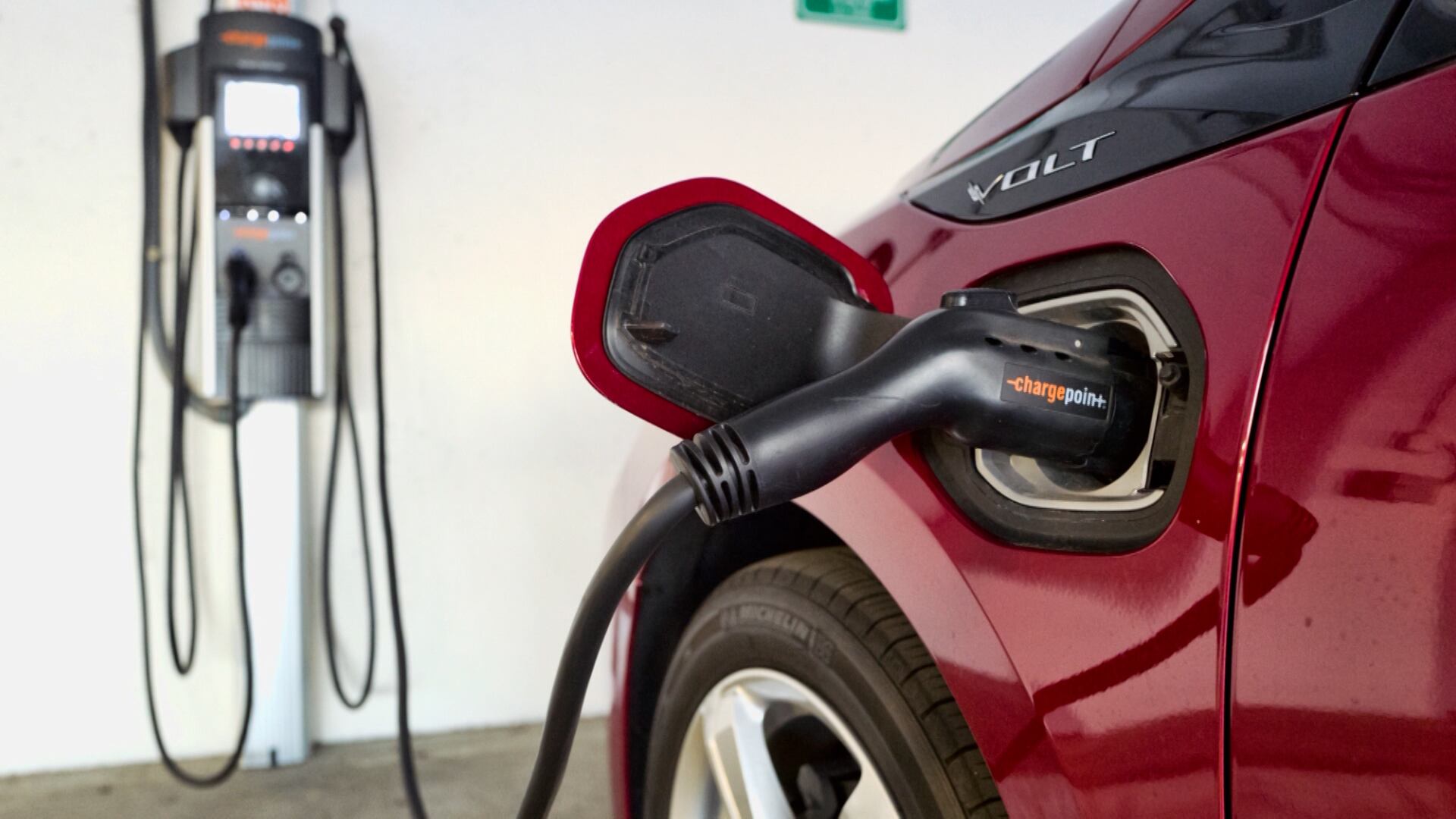
One of the biggest hurdles when it comes to widespread electric vehicle adoption is consumer hesitation about their ability to keep their EV charged if they take a longer trip outside of their locality. Now, electric companies nationwide are teaming up as part of a coalition to build out a network of EV charging stations spanning major U.S. travel corridors. Kellen Schefter, director of electric transportation at the Edison Electric Institute, joins Cheddar Climate to discuss the coalition's plans, how drivers can compare fueling up with gas to recharging an EV on a long trip, how the charging network will be funded, and more.
Cheddar is looking back at the 12 biggest buzzwords of the year leading up to Christmas. Today's word of the day is "Infrastructure." Definition: (noun) the basic physical and organizational systems that uphold the structure of the economy.
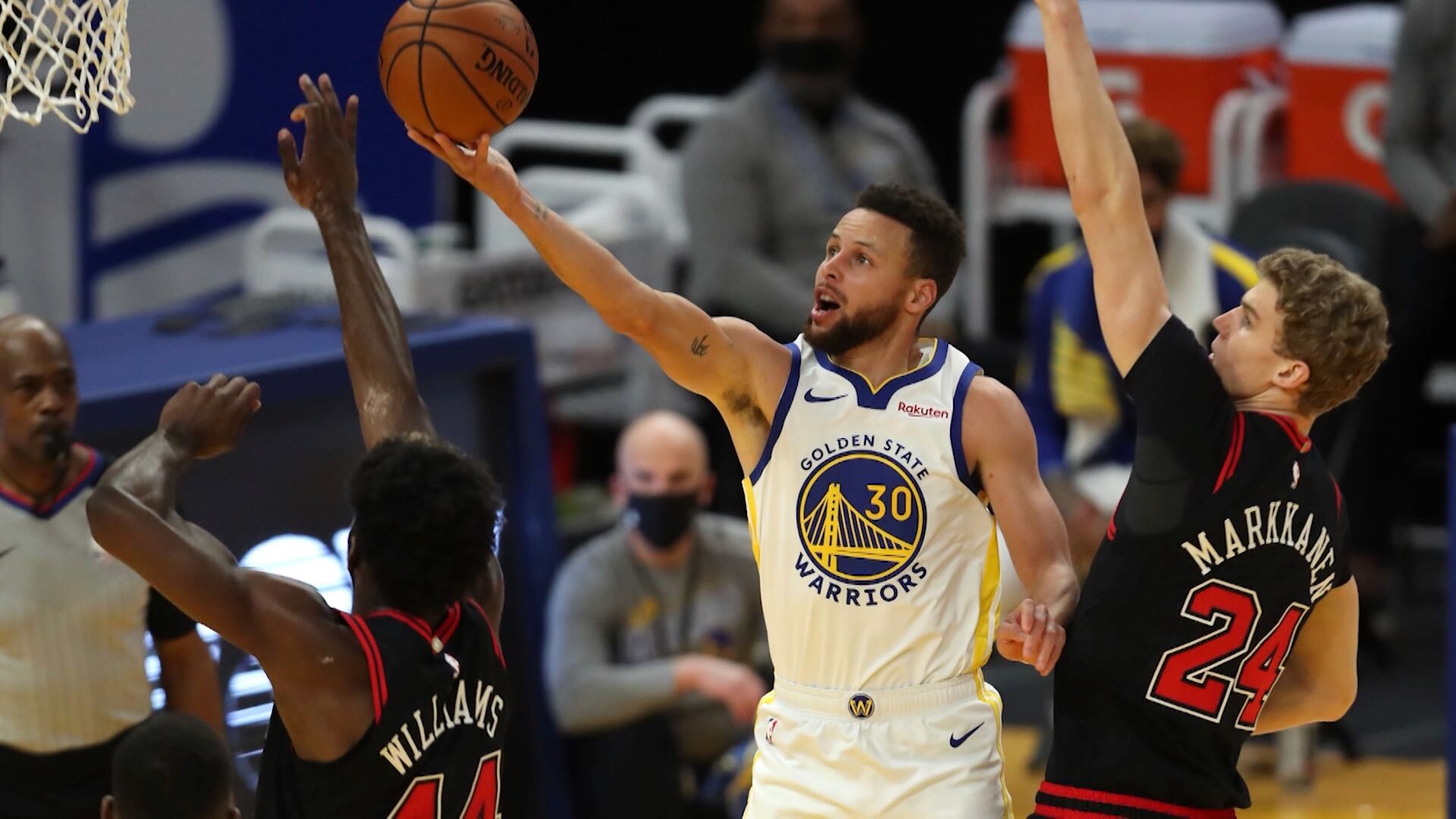
The NBA's Golden State Warriors announced a partnership with crypto exchange FTX. It will become the official crypto trading platform for the franchise as well as home to a number of NFTs it plans to drop. Brandon Schneider, president and chief operating officer of the team, joined Cheddar's Kristen Scholer to provide some background on the deal and talked about how digital assets are transforming the world of sports. "We as a society, not just in sports, are kind of at the beginning of the beginning with crypto and NFTs specifically, so we're really excited to partner with FTX to see where we can take this together," he said.
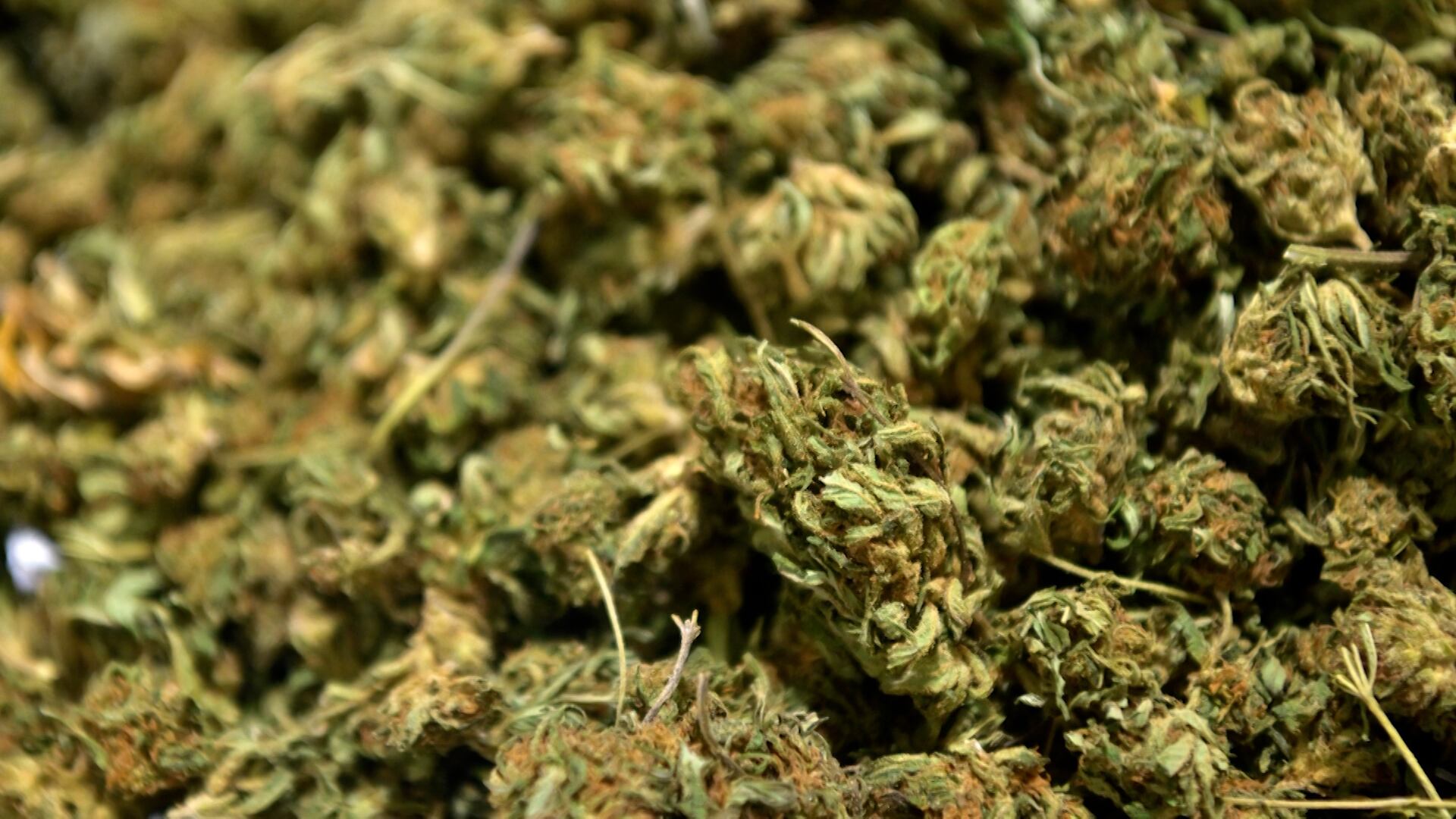
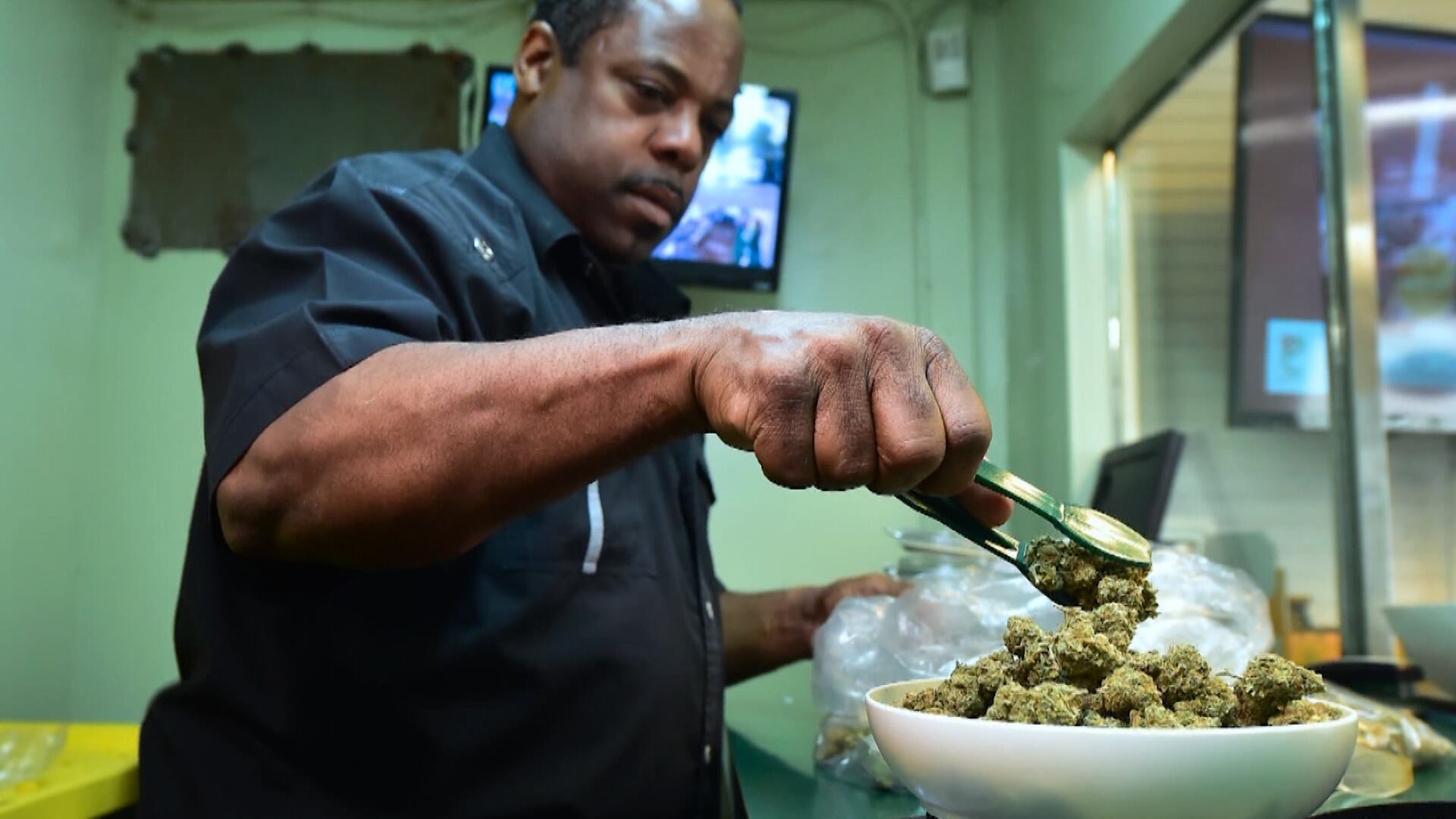
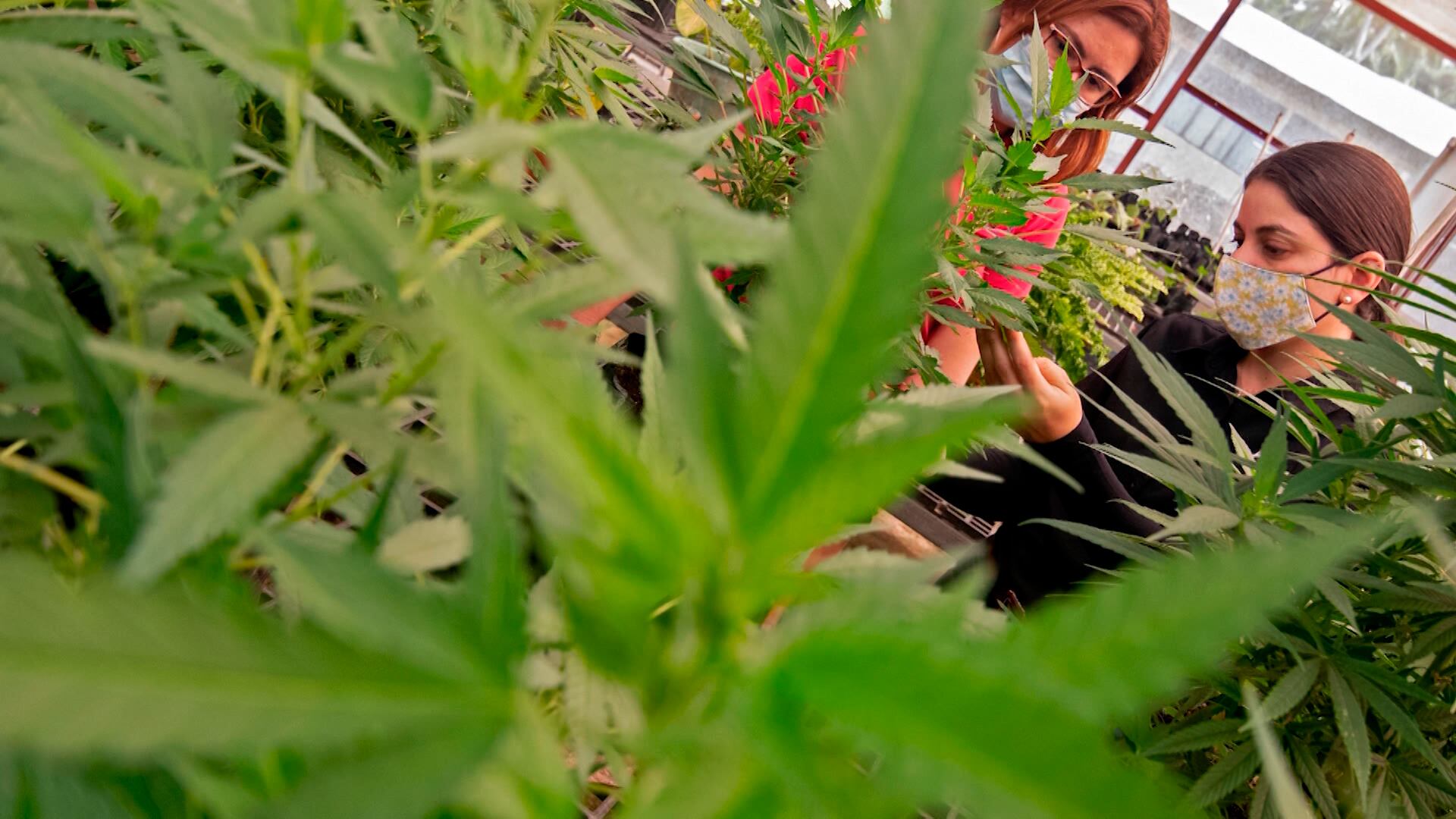
The U.S. cannabis industry is on track to hit almost $25 billion in sales, according to New Frontier Data. Vivien Azer, managing director and senior research analyst at Cowen, and Russell Stanley, managing director and equity research at Beacon Securities Limited, join Cheddar News to give their predictions for the budding industry in 2022.
As more states begin to legalize recreational marijuana, there's a growing interest in legalizing cannabis cultivation. As the rise in cannabis farms expands across the U.S., more research is being done to examine its impact on the planet. Michael Katz, executive director at Mendocino Cannabis Alliance, joins Cheddar News to talk about the carbon footprint of cannabis farms.