U.S. health regulators pledged again Thursday to try to ban menthol cigarettes, this time under pressure from African American groups to remove the mint flavor popular among Black smokers.
The Food and Drug Administration has attempted several times to get rid of menthol but faced pushback from Big Tobacco, members of Congress and competing political interests in both the Obama and Trump administrations. Any menthol ban will take years to implement and will likely face legal challenges from tobacco companies.
Thursday’s announcement is the result of a lawsuit filed by anti-smoking and medical groups last summer to force the FDA to finally make a decision on menthol, alleging that regulators had “unreasonably delayed” responding to a 2013 petition seeking to ban the flavor.
The deadline for the agency’s response was Thursday. The FDA said it aims to propose regulations banning the flavor in the coming year.
The action would also ban menthol and fruity flavors from low-cost, small cigars, which are increasingly popular with young people, especially Black teens.
“We will save save hundreds of thousands of lives and prevent future generations from becoming addicted smokers,” said Dr. Janet Woodcock, the FDA's acting commissioner.
She cited research estimates that banning menthol would prevent 630,000 tobacco-related deaths over 40 years, more than a third of them among African Americans.
Menthol is the only cigarette flavor that was not banned under the 2009 law that gave the FDA authority over tobacco products, an exemption negotiated by industry lobbyists. The act did, though, instruct the agency to continue to weigh banning menthol.
The flavor’s persistence has infuriated anti-smoking advocates, who point to research that menthol’s numbing effect masks the harshness of smoking, likely making it easier to start and harder to quit.
The mint-flavored cigarettes are overwhelmingly used by young people and minorities, particularly Black smokers, 85% of whom smoke menthols. That compares to about a third of white smokers.
“The science is there, the data is there, so why are these products still on the market?” said Carol McGruder of the African American Tobacco Control Leadership Council.
Her group sued along with Action on Smoking and Health, the American Medical Association and the National Medical Association, which represents Black physicians.
For decades, companies focused menthol marketing and promotions on Black communities, including sponsoring music festivals and neighborhood events. Company documents released via 1990s litigation also show companies viewed menthol cigarettes as good “starter” products because they were more palatable for teenagers .
“There was a specific, intentional focus on creating the next generation of smokers by making menthol cigarettes available in those communities,” said Dr. Nia Heard-Garris, who chairs the American Academy of Pediatrics’ group on minority health and equity.
Dr. Michael Bottlang and Dr. Steve Madey, co-founders of WaveCel, join Cheddar Innovates to share their breakthrough in hard hat design that could have ramifications for protecting against head trauma across industries.
Melissa Snover, Founder & CEO of Nourished, joins Cheddar Innovates to discuss her one-of-a-kind business that offers customizable, 3D printed vitamins that offer less hassle, cost, and waste than traditional vitamins.
Stocks closed higher Thursday as investors focused on big tech earnings, including a strong report from Facebook parent company Meta. The movement was largely led higher by the tech sector, and the Nasdaq saw gains after recent volatility. However, the index is still on pace for its worst month since March 2020. Stuart Kaiser, Head of Global Equity Derivatives Research at UBS, joins Closing Bell to discuss today's close, the Federal Reserve's plan to tackle inflation, and more.
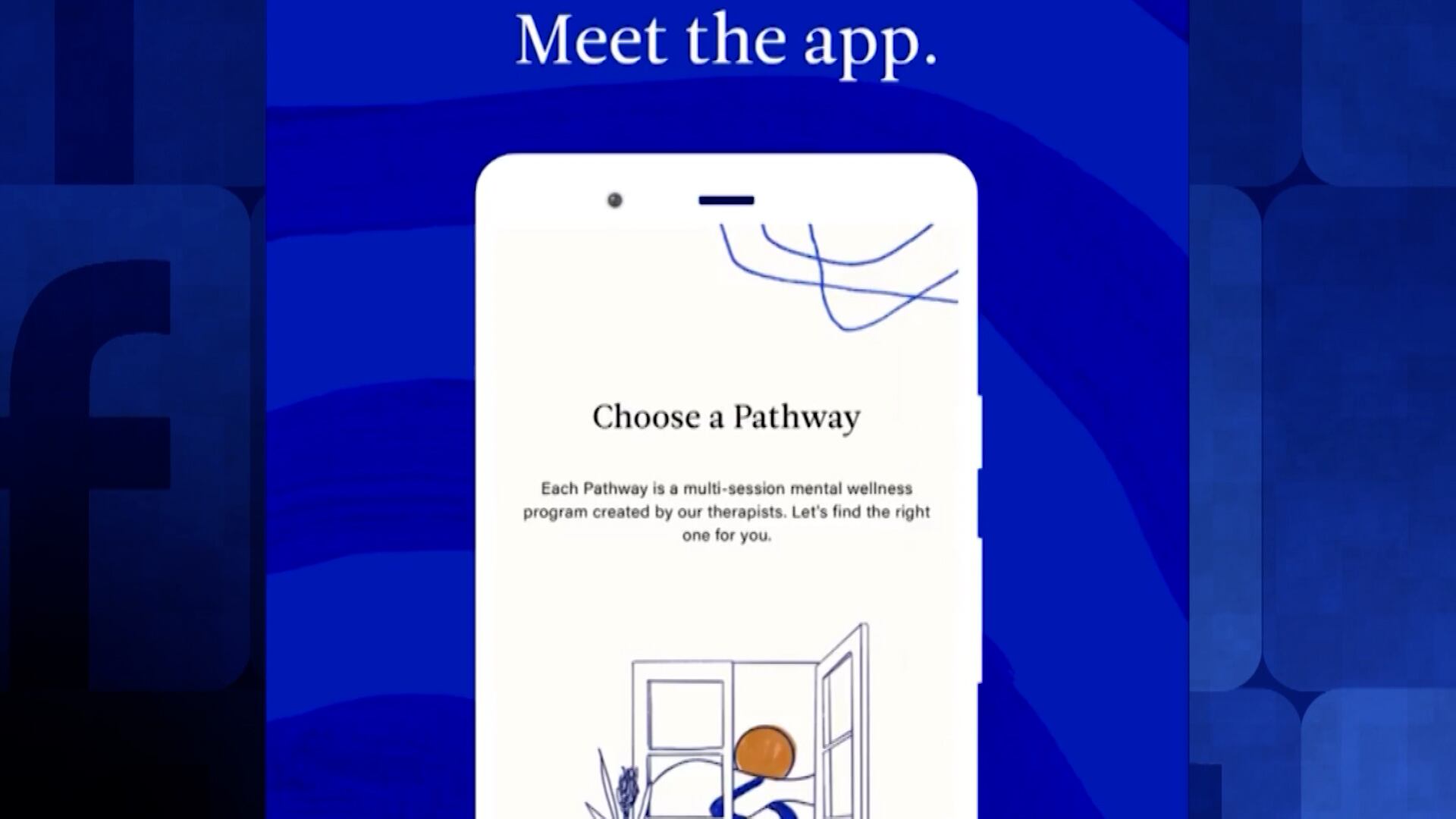
Mental health platform Real recently raised $37 million in a Series B round led by Owl Ventures. Through its mobile app, Real says it provides mental health care at a lower cost than traditional therapy and aims to make mental wellness a part of everyone's daily routine. The company also announced that U.S. soccer star Megan Rapinoe will serve as an adviser to the company. Ariela Safira, Founder & CEO of Real, joins Cheddar News' Closing Bell to discuss.
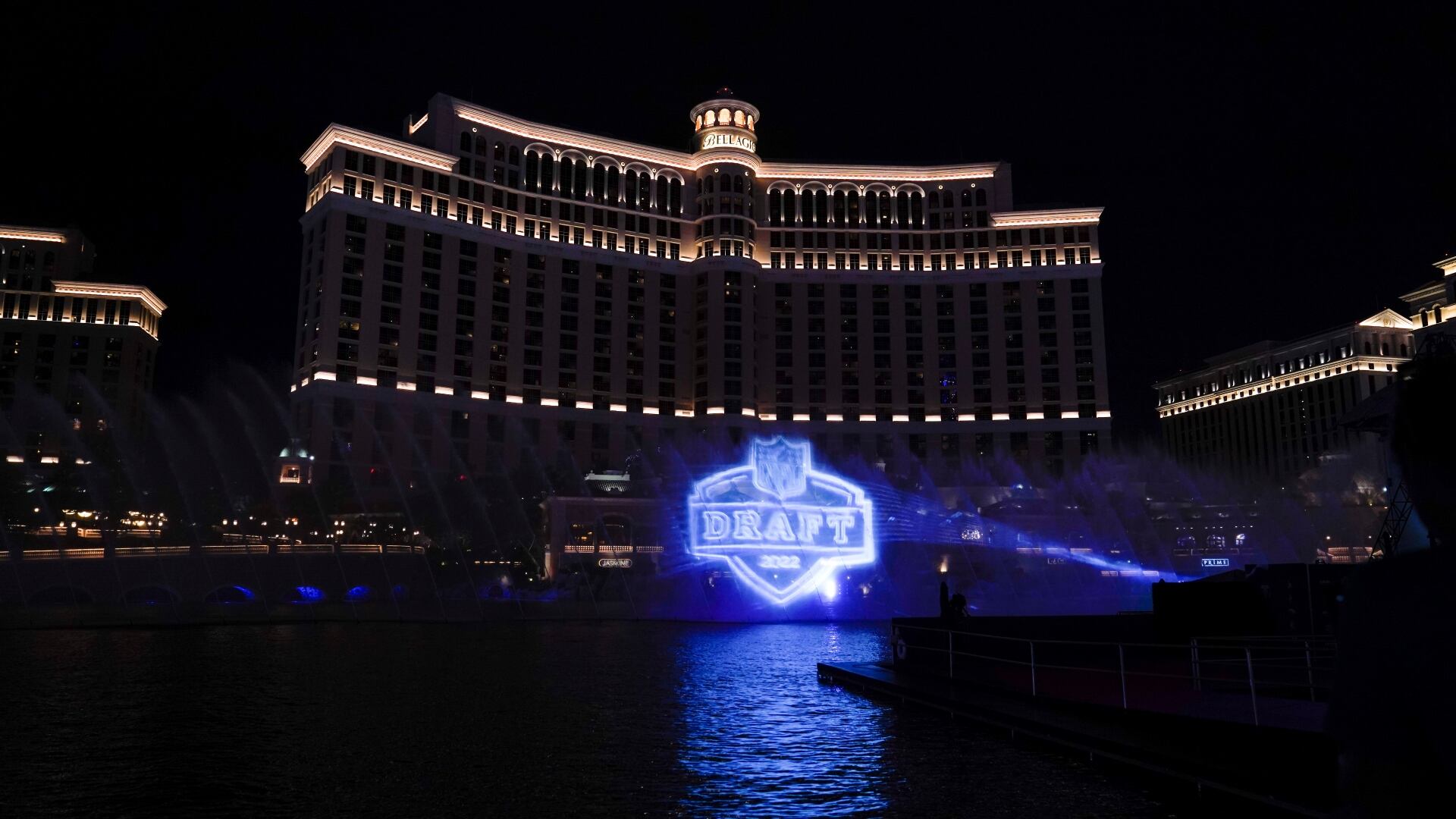
It’s NFL draft night! A former defensive end for the Dolphins, Bears, and Texans Wale Ogunleye joined Cheddar News to talk about which rookies-to-be the NFL teams will be picking and also discuss the impact of the pandemic on the incoming players. "I do think having the ability to stay at school maybe a year or two longer, and it may be getting your adulthood going, it might help out a lot, but again, it's a different animal in that locker room," he said. Ogunleye, who also heads sports and entertainment at the financial firm UBS, also talked about providing financial literacy education and advice for young athletes.
Overstock.com CEO Jonathan Johnson joined Cheddar News to discuss the company's Q1 earnings miss as the internet retailer saw a 19 percent drop in sales since 2019. "Consumer sentiment got pretty soft. Despite that we were able to manage expenses, make money beat on the bottom line," he said regarding headwinds like inflation, gas prices, and the war in Ukraine. "But I think, look, e-commerce is here to stay. It's here to stay for the home space."
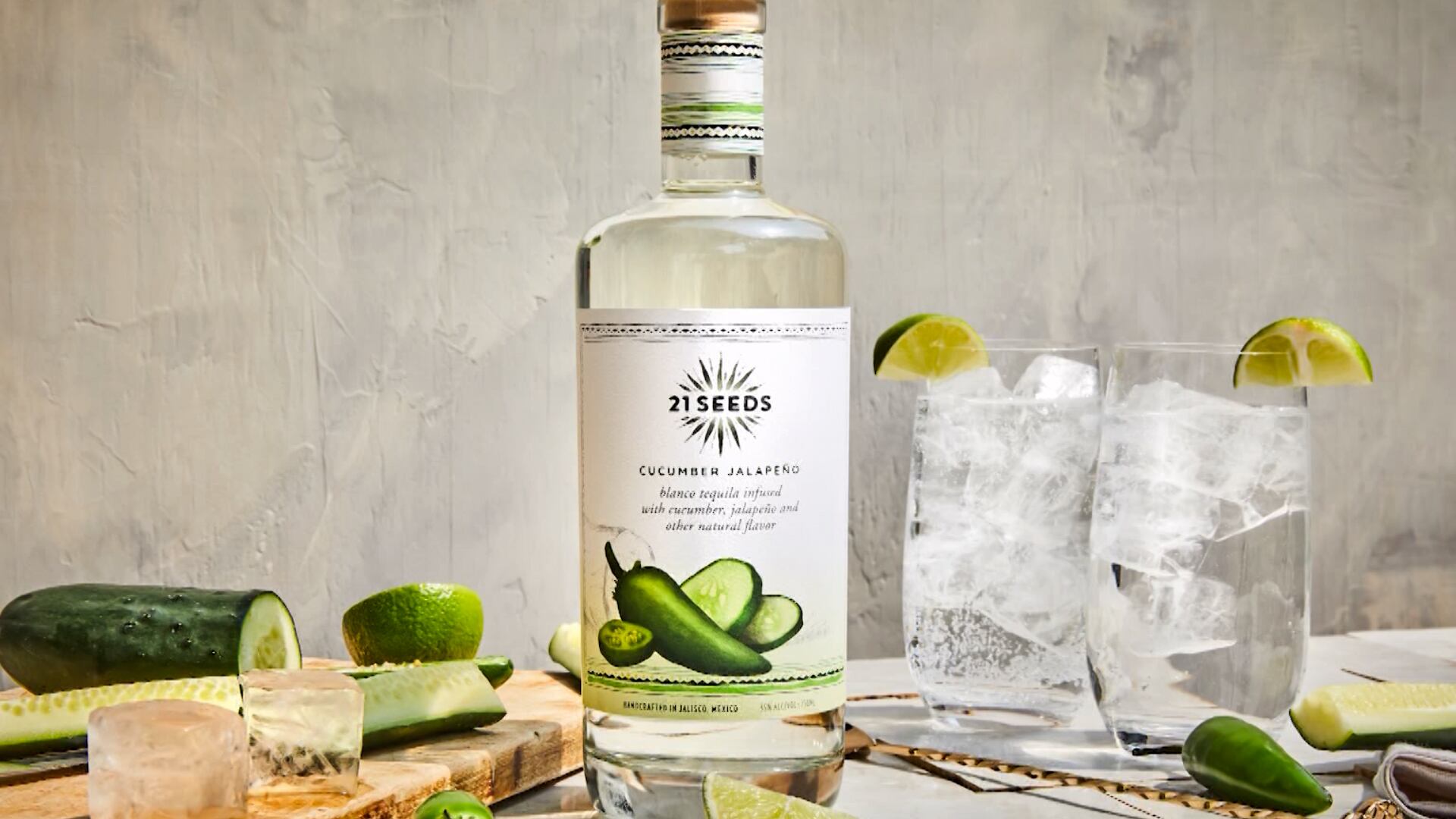
The all-women founders of the infused tequila brand 21Seeds Kat Hantas, Sarika Singh, and Nicole Emmanuel joined Cheddar News to talk about the recent acquisition of their company by the alcoholic beverage giant Diageo, gaining "world domination" in the tequila market, and enhancing Cinco de Mayo cocktails with their product. "If you want to lighten it up and you're looking for an RTD alternative, like one of those ready to drink alternatives, you can make that at home," said Hantas.