U.S. health regulators pledged again Thursday to try to ban menthol cigarettes, this time under pressure from African American groups to remove the mint flavor popular among Black smokers.
The Food and Drug Administration has attempted several times to get rid of menthol but faced pushback from Big Tobacco, members of Congress and competing political interests in both the Obama and Trump administrations. Any menthol ban will take years to implement and will likely face legal challenges from tobacco companies.
Thursday’s announcement is the result of a lawsuit filed by anti-smoking and medical groups last summer to force the FDA to finally make a decision on menthol, alleging that regulators had “unreasonably delayed” responding to a 2013 petition seeking to ban the flavor.
The deadline for the agency’s response was Thursday. The FDA said it aims to propose regulations banning the flavor in the coming year.
The action would also ban menthol and fruity flavors from low-cost, small cigars, which are increasingly popular with young people, especially Black teens.
“We will save save hundreds of thousands of lives and prevent future generations from becoming addicted smokers,” said Dr. Janet Woodcock, the FDA's acting commissioner.
She cited research estimates that banning menthol would prevent 630,000 tobacco-related deaths over 40 years, more than a third of them among African Americans.
Menthol is the only cigarette flavor that was not banned under the 2009 law that gave the FDA authority over tobacco products, an exemption negotiated by industry lobbyists. The act did, though, instruct the agency to continue to weigh banning menthol.
The flavor’s persistence has infuriated anti-smoking advocates, who point to research that menthol’s numbing effect masks the harshness of smoking, likely making it easier to start and harder to quit.
The mint-flavored cigarettes are overwhelmingly used by young people and minorities, particularly Black smokers, 85% of whom smoke menthols. That compares to about a third of white smokers.
“The science is there, the data is there, so why are these products still on the market?” said Carol McGruder of the African American Tobacco Control Leadership Council.
Her group sued along with Action on Smoking and Health, the American Medical Association and the National Medical Association, which represents Black physicians.
For decades, companies focused menthol marketing and promotions on Black communities, including sponsoring music festivals and neighborhood events. Company documents released via 1990s litigation also show companies viewed menthol cigarettes as good “starter” products because they were more palatable for teenagers .
“There was a specific, intentional focus on creating the next generation of smokers by making menthol cigarettes available in those communities,” said Dr. Nia Heard-Garris, who chairs the American Academy of Pediatrics’ group on minority health and equity.
Everyone is searching for that social media moment, whether it’s filming a viral dance for TikTok or snapping a selfie for your Instagram Story. Cheddar News explores the activities made for the online world, including streaming companies creating real-life experiences to entice you to stay subscribed, TikTok taking the stage with its first theatrical production, and how one immersive experience made out of candy encourages you to revisit your childhood.
Join Cheddar News as we break down the top headlines for Thursday, May 26 including updates on the Texas school shooting, President Joe Biden's executive order on police reform, and a recount in the Pennsylvania GOP Senate primary.
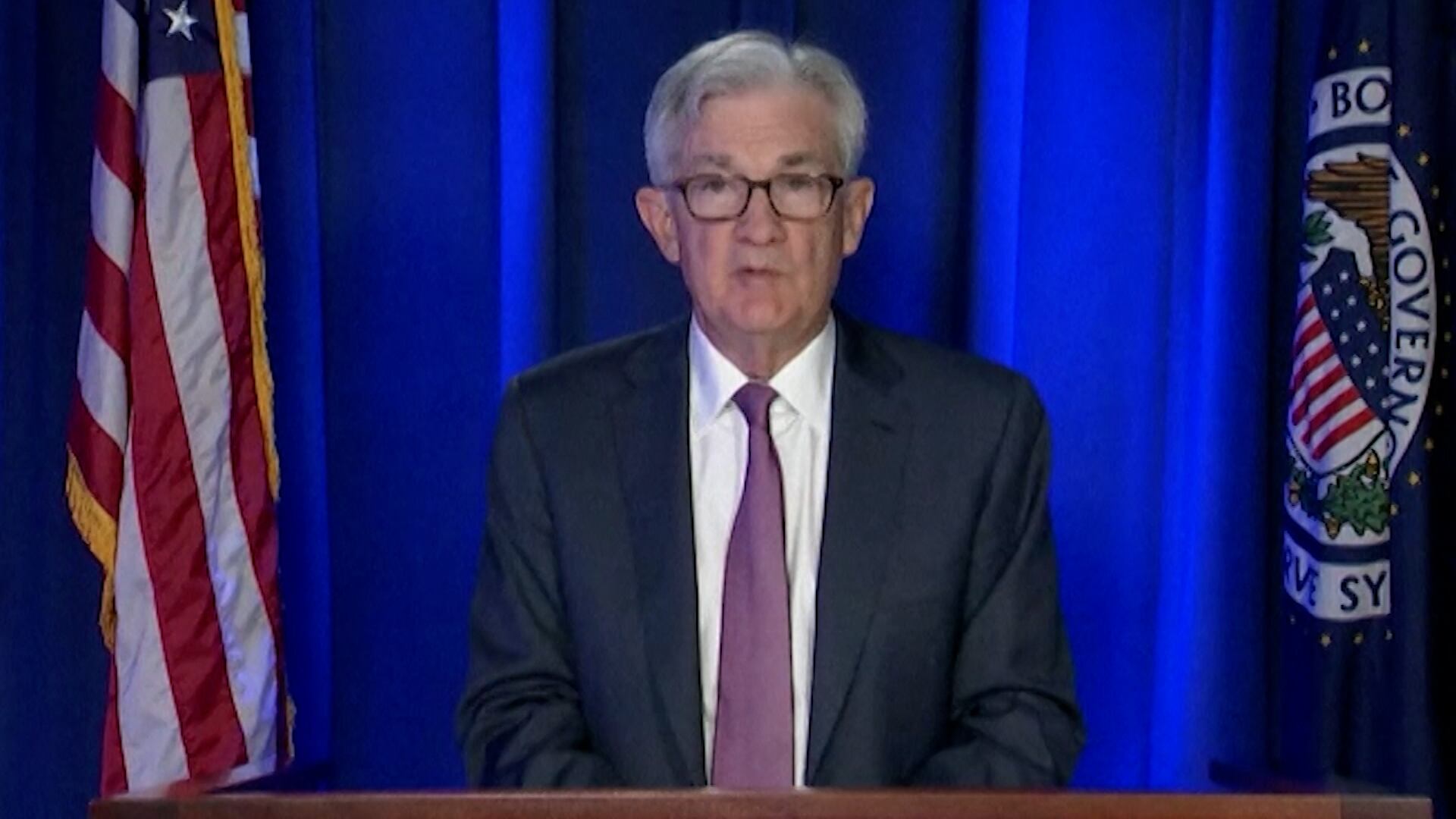
Markets opened lower Wednesday morning as investors await meeting minutes from the Federal Reserve. Bill Stone, Chief Investment Officer at The Glenview Trust Company joined Cheddar's Opening Bell to discuss.
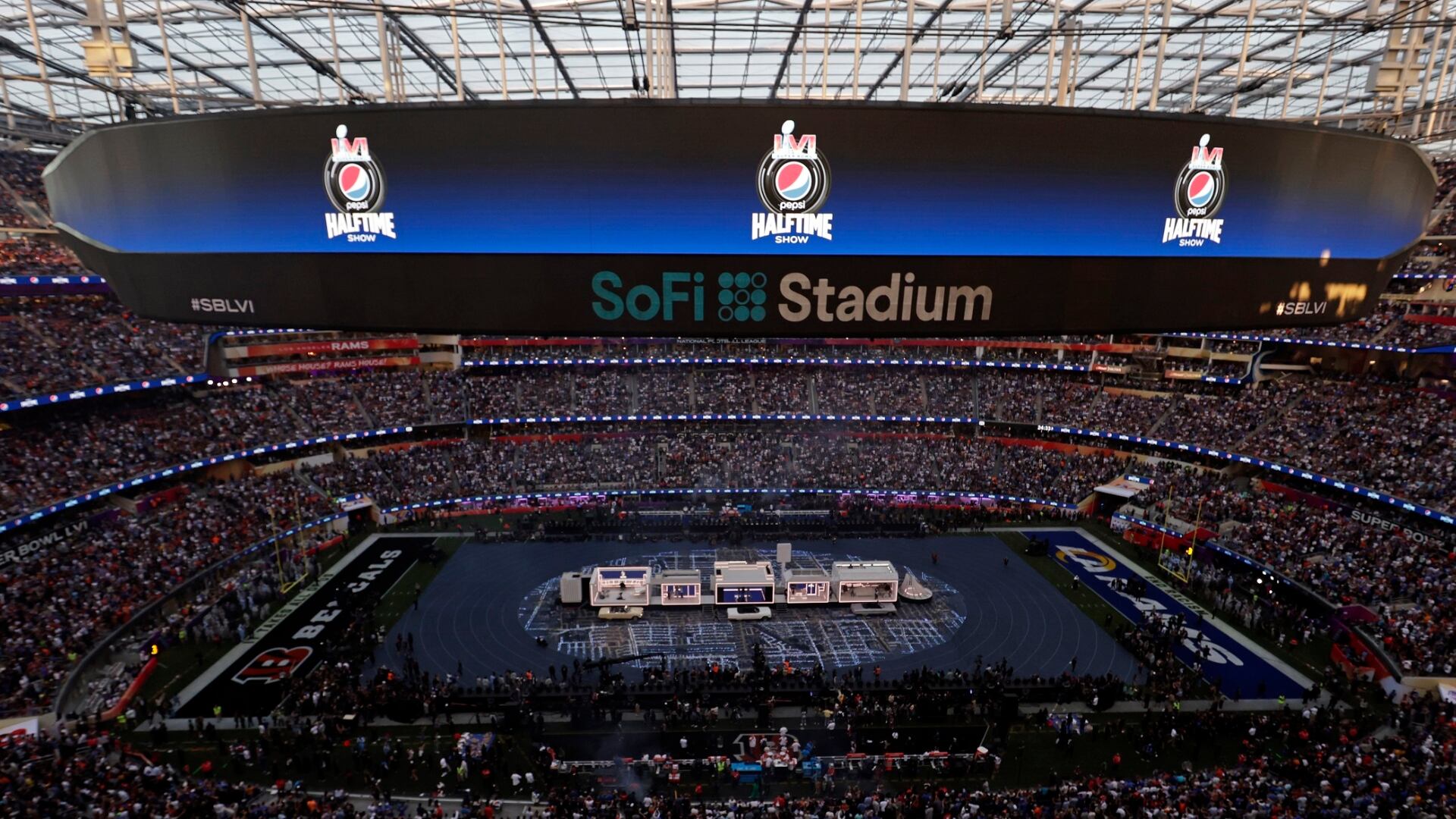
Pepsi’s 10-year contract with the NFL to sponsor the Super Bowl Half Time Show has come to an end and the rights are now up for grabs, leaving football fans to wonder what competitor or a wild card will jump in to take the food and beverage giant's place. However, PepsiCo will still have pour rights at all of the NFL major events.
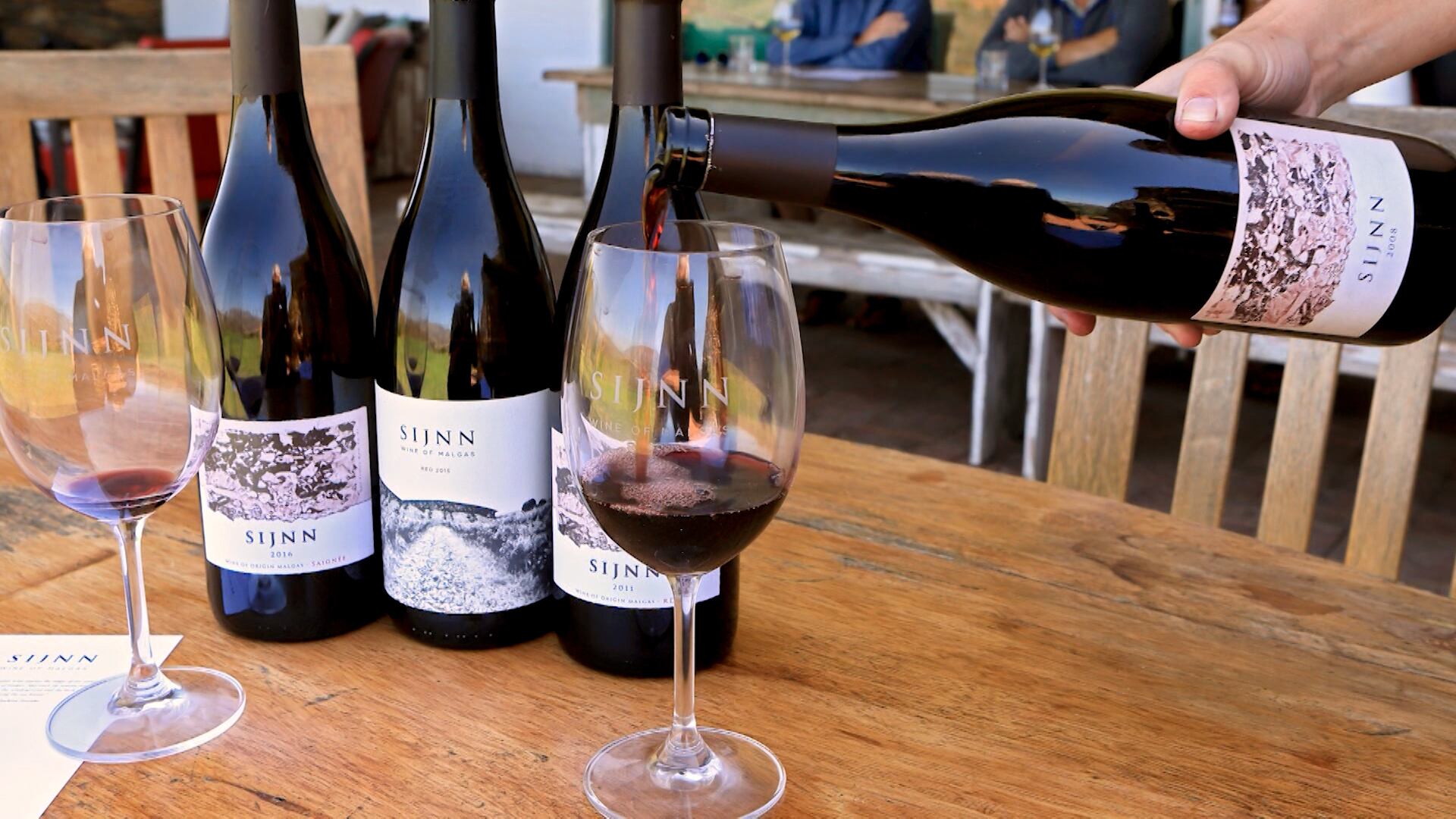
CEO Anthony Zhang of Vinovest, a platform for investing in bottles of fine wine, joined Cheddar News to discuss how his company is bringing this unique opportunity to investors. “Just to be clear, these aren't the typical bottles of wine that you're finding at your local grocery store or Trader Joe's," he said. "These are really considered bottles that are collectible, age-worthy, and have a track regular of appreciating over time on the secondary market.”
Judith Enck, a former regional administrator for the EPA and the president of Beyond Plastics, joined Cheddar News to talk about the role of plastics in the climate crisis and California's investigation of ExxonMobil and other oil companies for misleading the public on the ability to recycle plastics. "The reason why petrochemical companies like Exxon have gotten away with selling more and more plastic is that they've lied to the public and told us don't worry about all those negative upstream impacts and downstream impacts of plastics. Just be sure to recycle it. Well, guess what? Plastics largely are not recycled," Enck said.
Apple warned of a potential $8 billion future sales hit due to supply issues, but Dan Ives, the managing director of equity research at Wedbush Securities, noted that the record quarterly report the tech giant posted shows demand remains high for Apple products and services. Ives joined Cheddar to explain why investors should look past the warning. "In these types of markets where many are yelling fire in a crowded theater, you look at the demand trends because that continues to be the focus for Apple," he said "I think you combine that with the services. I view it as a defensive name. It's a Rock of Gibraltar stock in a Category 5 storm as well as also an offensive play as I believe we start to move out of some of these just brutal headwinds that we've been seeing in the market once the Fed rips the band-aid off."
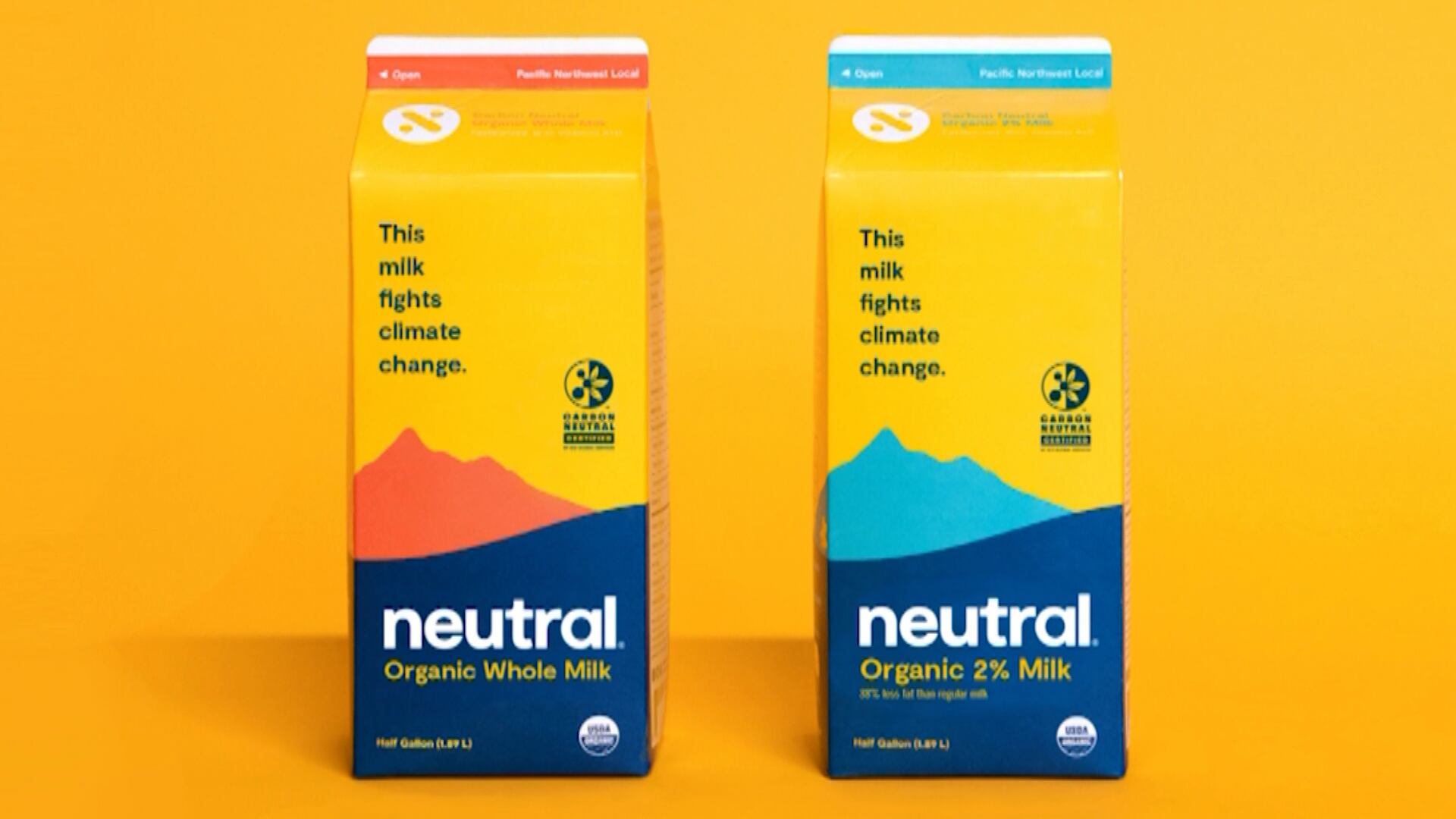
Neutral Foods is touting itself as the first carbon-neutral food producer starting with its cow's milk. Neutral Foods CEO Marcus Lovell Smith and founder of Darco Capital David Adelman joined Cheddar News to talk about their efforts in trying to address the climate anxiety being felt by many American consumers who still buy dairy. "You know, 93 percent of American households still have milk in the refrigerator, normal, ordinary milk. So we're meeting Americans where they are," said Smith.
The Week's Top Stories is a guided tour through the biggest market stories of the week, from winning stocks to brutal dips to the facts and forecasts generating buzz on Wall Street.