U.S. health regulators pledged again Thursday to try to ban menthol cigarettes, this time under pressure from African American groups to remove the mint flavor popular among Black smokers.
The Food and Drug Administration has attempted several times to get rid of menthol but faced pushback from Big Tobacco, members of Congress and competing political interests in both the Obama and Trump administrations. Any menthol ban will take years to implement and will likely face legal challenges from tobacco companies.
Thursday’s announcement is the result of a lawsuit filed by anti-smoking and medical groups last summer to force the FDA to finally make a decision on menthol, alleging that regulators had “unreasonably delayed” responding to a 2013 petition seeking to ban the flavor.
The deadline for the agency’s response was Thursday. The FDA said it aims to propose regulations banning the flavor in the coming year.
The action would also ban menthol and fruity flavors from low-cost, small cigars, which are increasingly popular with young people, especially Black teens.
“We will save save hundreds of thousands of lives and prevent future generations from becoming addicted smokers,” said Dr. Janet Woodcock, the FDA's acting commissioner.
She cited research estimates that banning menthol would prevent 630,000 tobacco-related deaths over 40 years, more than a third of them among African Americans.
Menthol is the only cigarette flavor that was not banned under the 2009 law that gave the FDA authority over tobacco products, an exemption negotiated by industry lobbyists. The act did, though, instruct the agency to continue to weigh banning menthol.
The flavor’s persistence has infuriated anti-smoking advocates, who point to research that menthol’s numbing effect masks the harshness of smoking, likely making it easier to start and harder to quit.
The mint-flavored cigarettes are overwhelmingly used by young people and minorities, particularly Black smokers, 85% of whom smoke menthols. That compares to about a third of white smokers.
“The science is there, the data is there, so why are these products still on the market?” said Carol McGruder of the African American Tobacco Control Leadership Council.
Her group sued along with Action on Smoking and Health, the American Medical Association and the National Medical Association, which represents Black physicians.
For decades, companies focused menthol marketing and promotions on Black communities, including sponsoring music festivals and neighborhood events. Company documents released via 1990s litigation also show companies viewed menthol cigarettes as good “starter” products because they were more palatable for teenagers .
“There was a specific, intentional focus on creating the next generation of smokers by making menthol cigarettes available in those communities,” said Dr. Nia Heard-Garris, who chairs the American Academy of Pediatrics’ group on minority health and equity.
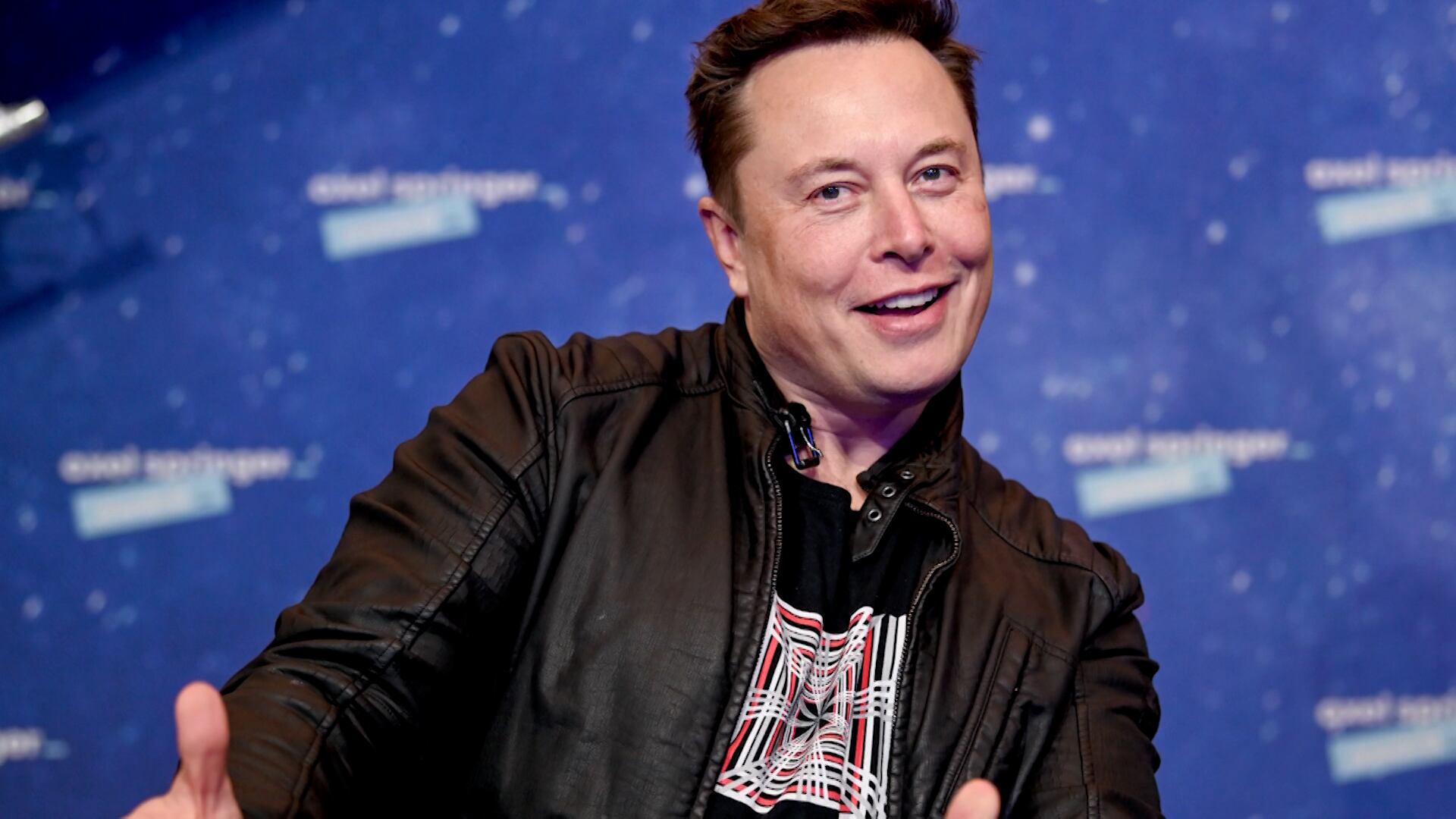
One of the hottest stocks in the news, not for its price but mostly due to its maybe pending acquisition by Elon Musk, is Twitter. Cheddar's Ken Buffa goes in-depth into why the trials and tribulations of the social media platform, currently being accused by the Musk of holding back information on spam accounts, make it the stock of the day.
Apple's Worldwide Developers Conference on Monday provided announced updates for iOS 16, edits to iMessages, an “ApplePay Later” plan, which will allow users to stretch out their payments over four weeks, and new Macbooks. However, the anticipated news for realityOS, software for an augmented and virtual reality headset, did not make the cut. Cheddar News anchor Michelle Castillo had all the details about what to expect from tech giant.
Amazon recently put into effect a 20-1 stock split, but what exactly does that mean? Cheddar News anchors Kristen Scholer and Ken Buffa take a deep dive into the reasons why the e-commerce giant might have decided to split its shares, including accessibility, sending a "psychological signal," and improving valuation.
John Coffee, Law Professor at Columbia University, joined Closing Bell to discuss the latest obstacle in Elon Musk's attempted Twitter takeover, as the billionaire claims the company is hiding accurate information about the number of fake accounts on the platform.
Bill Bellissimo, CEO of Crunchtime, joins Cheddar to break down how he's guiding the food, service, and hospitality industries through the labor crisis with software and technological solutions.
On this episode of On the Job, VP, Assistant General Counsel, ADP, joins Cheddar to discuss how to successfully find and cultivate a mentor-mentee relationship.
On this episode of On the Job, Meg Ferrero, VP, Assistant General Counsel, ADP, discusses how to successfully find and cultivate a mentor-mentee relationship; Bill Bellissimo, CEO of Crunchtime, breaks down how he's guiding the food and hospitality industry through the labor crisis with software and technological solutions; Senior Reporter Chloe Aiello gets a first-person look at how Brooklyn Dumpling house is updating an old-school idea to revolutionize how they do business.
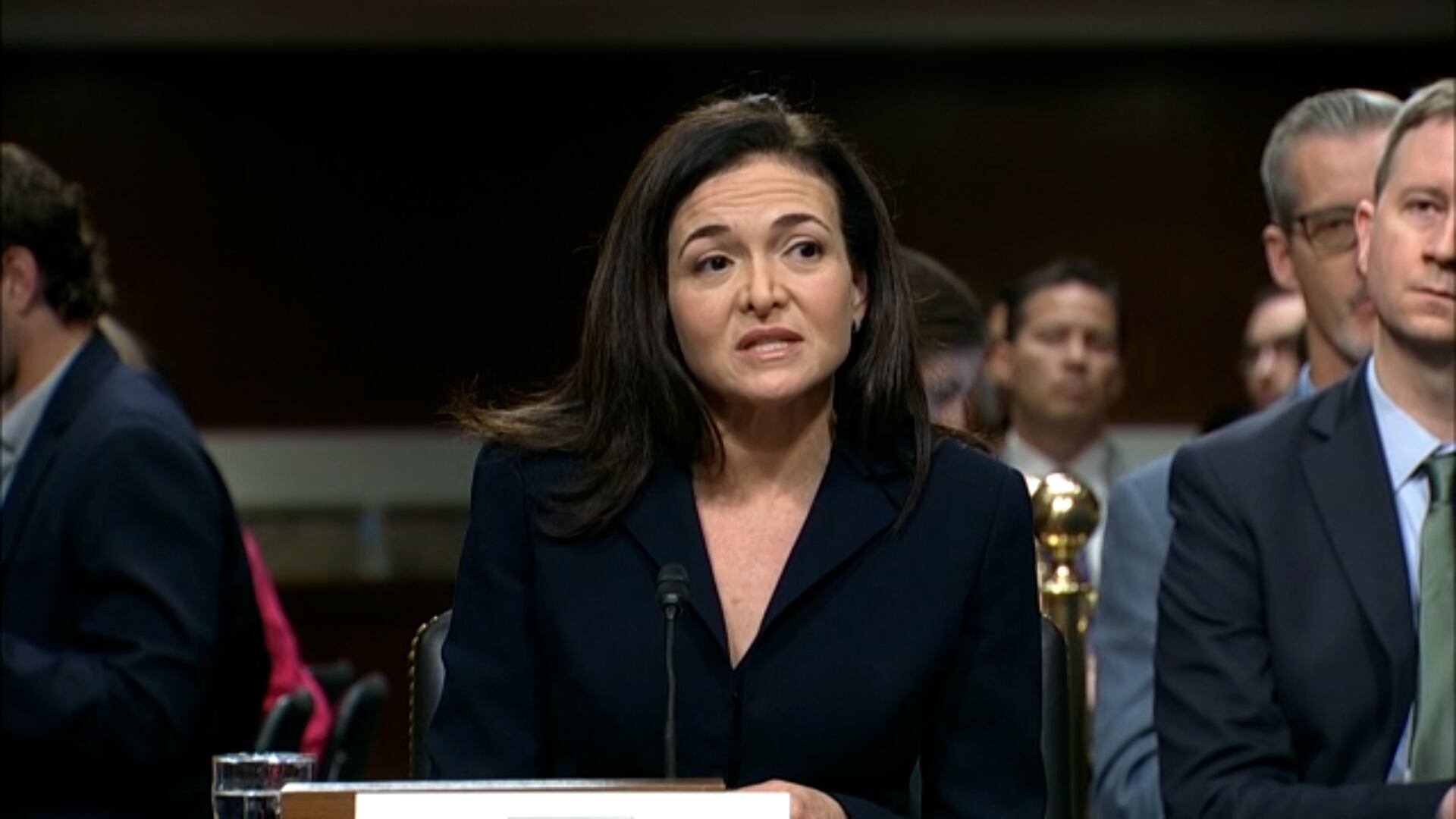
Sheryl Sandberg is stepping down as Chief Operating Officer of Facebook's parent company Meta. After 14 years at a company she helped transform from a little-known social media website into one of the most powerful tech giants in the world, Sandberg announced she's leaving to spend more time with her family and focus on her philanthropic work. Evan Nierman, CEO of Red Banyan Crisis PR and author of Crisis Averted, joined Cheddar to discuss Sandberg's legacy at Facebook, her impact on women in the workplace, and what we can expect to see from her in the future.
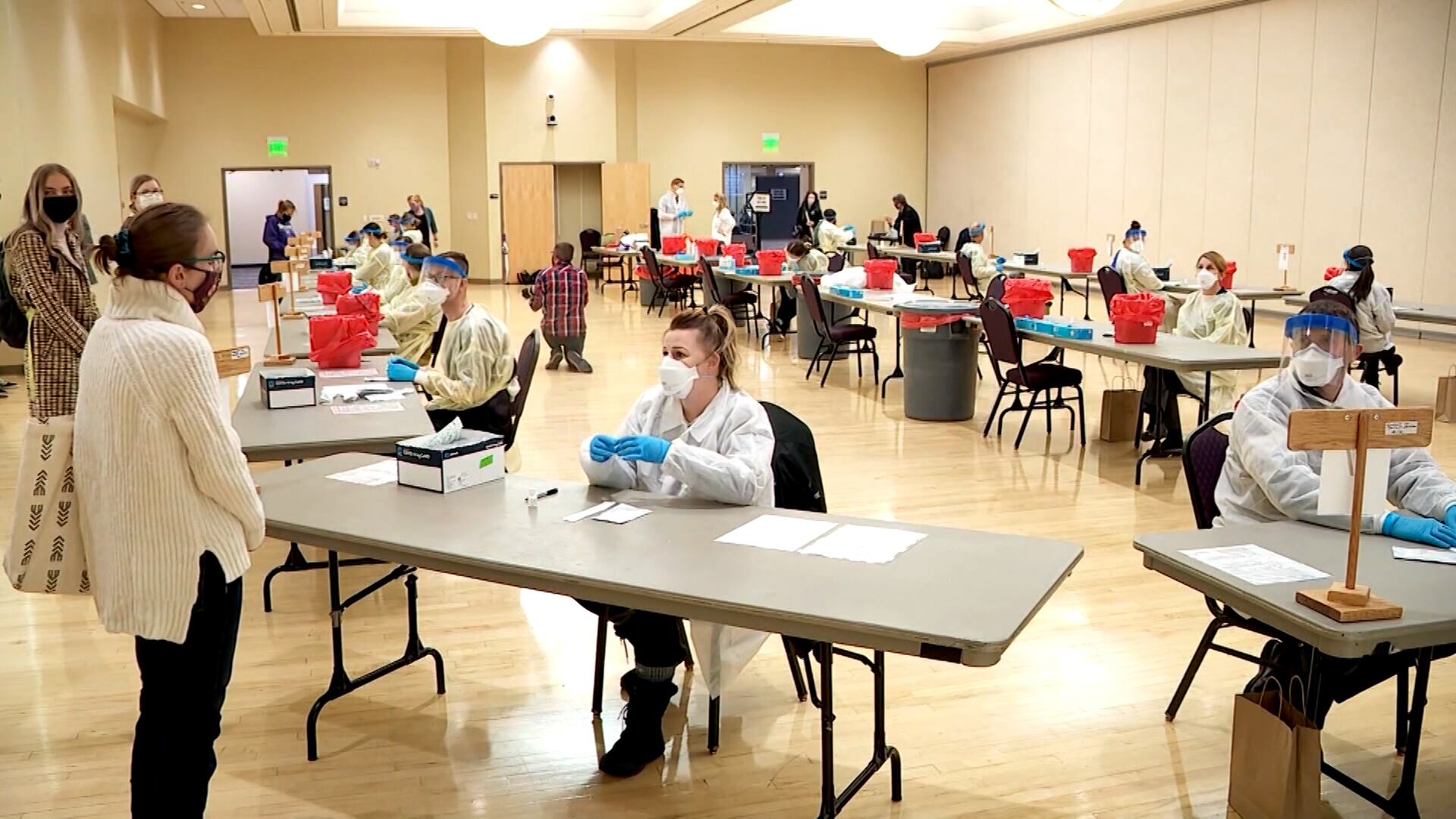
Gov. Daniel McKee breaks down the economic benefits of having a COVID 'test-to-treat' clinic in the state and shares his take on how to quell gun violence in the U.S.