By Matthew Perrone
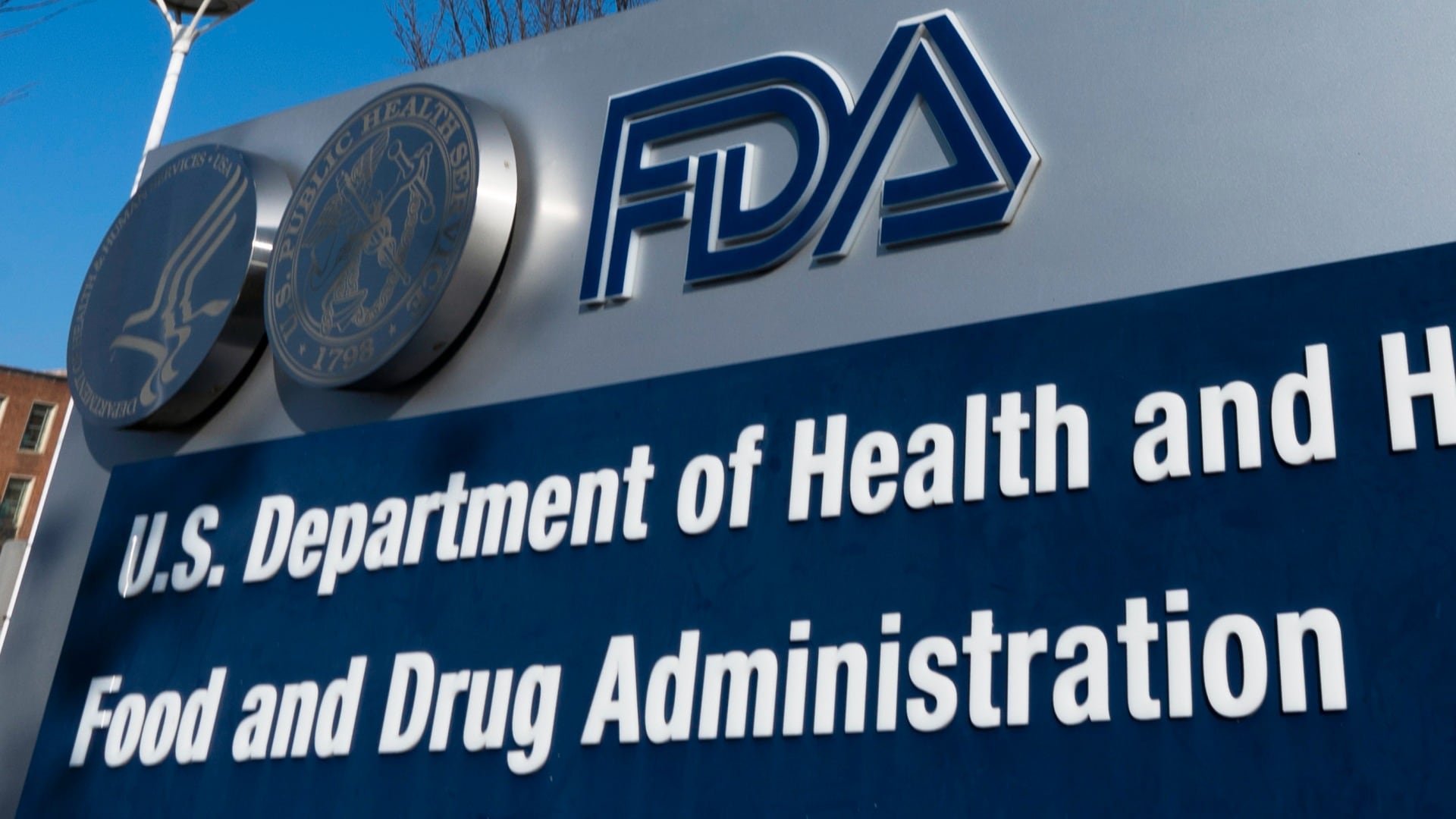
Federal health advisers voted overwhelmingly against an experimental treatment for Lou Gehrig’s disease at a Wednesday meeting prompted by years of patient efforts seeking access to the unproven therapy.
The panel of Food and Drug Administration experts voted 17-1 that drugmaker Brainstorm’s stem cell-based treatment has not been shown effective for patients with the fatal, muscle-wasting disease known as ALS, or amyotrophic lateral sclerosis. One panel member abstained from voting.
While the FDA is not bound by the vote, it largely aligns with the agency’s own strikingly negative review released earlier this week, in which staff scientists described Brainstorm’s application as “scientifically incomplete” and “grossly deficient.”
"Creating false hope can be considered a moral injury and the use of statistical magic or manipulation to provide false hope is problematic,” said Lisa Lee, a bioethics and research integrity expert from Virginia Tech, who voted against the treatment. The lone positive vote came from a panel member representing patients.
Wednesday's public meeting was essentially a longshot attempt by Brainstorm and the ALS community to sway FDA’s thinking on the treatment, dubbed NurOwn.
Brainstorm’s single 200-patient study failed to show that NurOwn extended life, slowed disease or improved patient mobility. But FDA agreed to convene the panel of outside advisers after ALS patients and advocates submitted a 30,000-signature petition seeking a public meeting.
In the last year, the FDA has approved two new drugs for ALS, after a nearly 20-year drought of new options. The approvals followed intense lobbying by advocacy groups.
FDA leaders have recently emphasized a new level of “regulatory flexibility” when reviewing experimental treatments for fatal, hard-to-treat conditions, including ALS, Alzheimer’s and muscular dystrophy.
But the agency appears unwilling to overlook the failed study results and missing information in Brainstorm’s submission, including key details on manufacturing and quality control needed to establish the product’s safety.
“It really is a disease that needs a safe and effective treatment and there are a lot of other prospects out there that we need to encourage. Approving one like this would get in the way of that,” said Dr. Kenneth Fischbeck of the National Institutes of Health.
ALS destroys nerve cells in the brain and spinal cord needed to walk, talk, swallow and — eventually — breathe. Most people die within three to five years of their first symptoms.
More than a dozen people spoke during a public comment session Wednesday, including ALS patients, their family members and physicians who implored FDA to grant approval. Several speakers presented before-and-after videos showing patients who participated in Brainstorm’s study walking, climbing stairs and performing other tasks that they attributed to NurOwn.
"When Matt is on Nurown it helps him, when he’s off of it he gets worse,” said Mitze Klingenberg, speaking on behalf of her son, Matt Klingenberg, who was diagnosed with ALS in 2018.
The FDA is expected to issue a decision on the therapy by Dec. 8.
Israel-based Brainstorm Cell Therapeutics' stock price has lost more than 90% of its value over the last year, falling to 39 cents per share before being halted ahead of Wednesday's FDA meeting.
The Associated Press Health and Science Department receives support from the Howard Hughes Medical Institute’s Science and Educational Media Group. The AP is solely responsible for all content.