Mobile charging stations have cropped up across urban centers and in high-traffic locations in recent years, a convenient resource for reviving dying phone batteries, but the FBI is issuing a new warning against using the hubs.
The agency cited "bad actors" looking to prey on unsuspecting targets by compromising USB ports on the charging hubs to infect plugged-in devices with malware and monitoring software.
"Carry your own charger and USB cord and use an electrical outlet instead," the FBI said in a tweet.
The agency's warning isn't the first issued to the general public about the potential hazards of public charging stations. In 2021, the FCC issued a "juice jacking" warning as one of the newest cyber-theft tactics.
"Cybersecurity experts have warned that criminals can load malware onto public USB charging stations to maliciously access electronic devices while they are being charged. Malware installed through a dirty USB port can lock a device or export personal data and passwords directly to the perpetrator," the FCC said at the time.
NBC Universal's Peacock streaming service is raising prices for the first time.
Meta announced it will be making changes to Threads and implementing rate limits.
The Biden administration and major consumer technology players on Tuesday launched an effort to put a nationwide cybersecurity certification and labeling program in place to help consumers choose smart devices that are less vulnerable to hacking.
It's World Emoji Day! Cheddar News explains the phenomenon behind the celebrations.
Tesla says its first production Cybertruck electric pickup has rolled off the assembly line, nearly two years behind the original schedule.
Elon Musk says Twitter is still losing cash because advertising has dropped by half. In a reply to a tweet offering business advice, Musk tweeted Saturday, “We’re still negative cash flow, due to (about a) 50% drop in advertising revenue plus heavy debt load.”
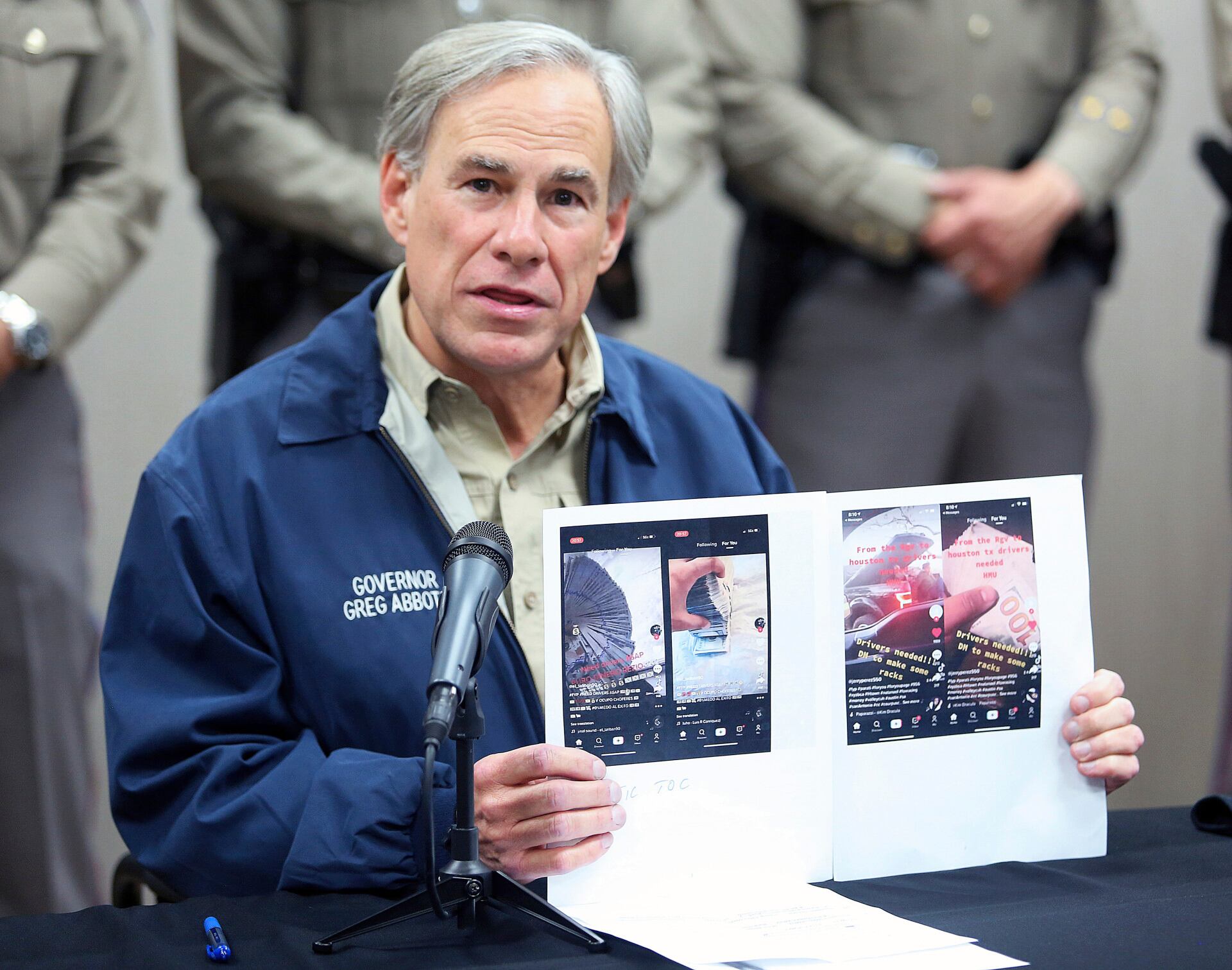
A First Amendment group sued Texas Governor Greg Abbott and others on Thursday over the state’s TikTok ban on official devices, arguing the prohibition – which extends to public universities – is unconstitutional and impedes academic freedom.
We've all heard the phrase time equals money. Well, Shopify has rolled out a meeting cost calculator in efforts to encourage people to empty their calendars of those unnecessary meetings.
ChatGPT-maker OpenAI and The Associated Press said Thursday that they've made a deal for the artificial intelligence company to license AP's archive of news stories.
Alexander Mashinsky, the former CEO of the failed cryptocurrency lending platform Celsius Network, has been arrested on federal fraud charges, including wire fraud, according to CNBC.