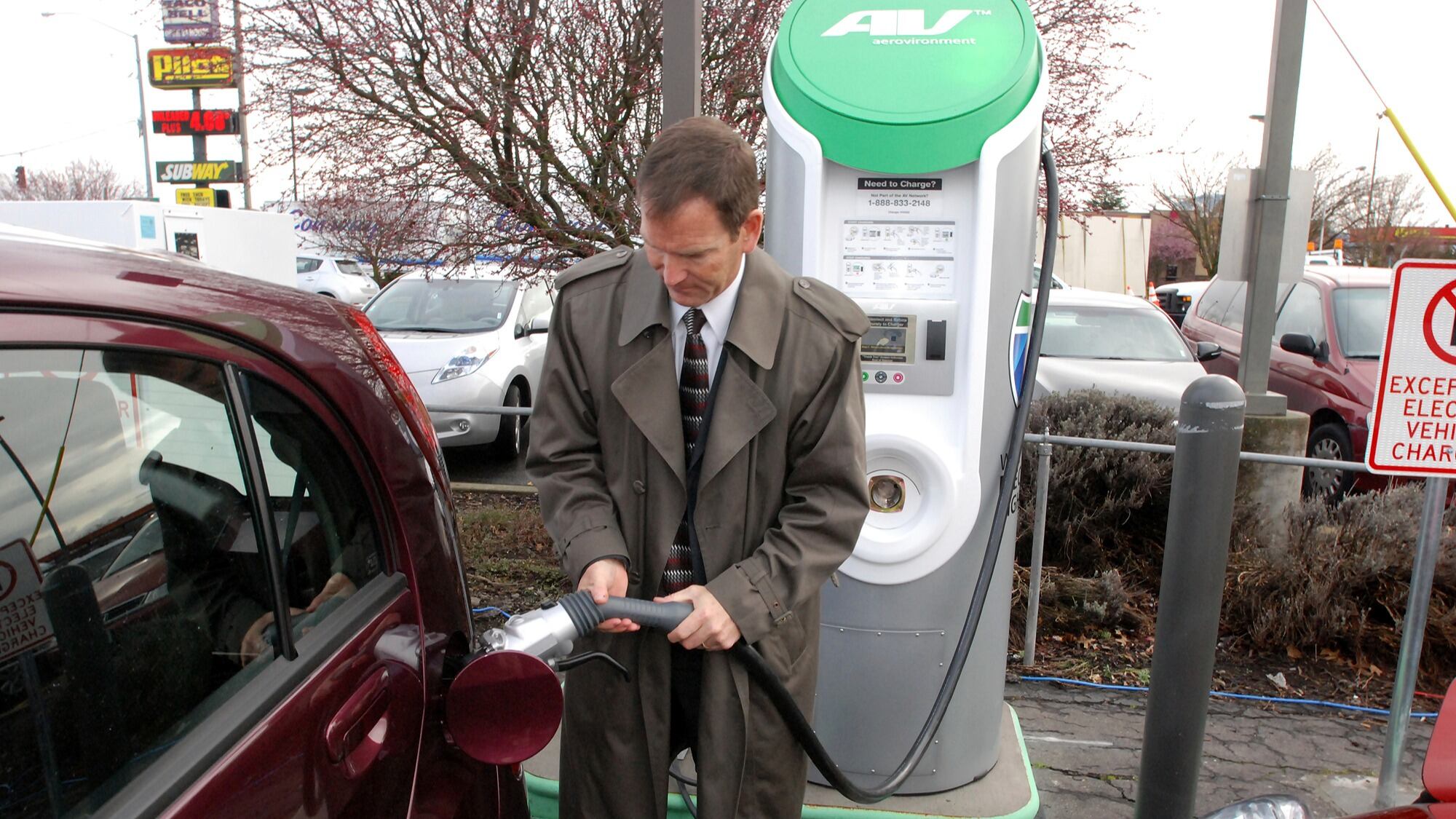
Mobile charging stations have cropped up across urban centers and in high-traffic locations in recent years, a convenient resource for reviving dying phone batteries, but the FBI is issuing a new warning against using the hubs.
The agency cited "bad actors" looking to prey on unsuspecting targets by compromising USB ports on the charging hubs to infect plugged-in devices with malware and monitoring software.
"Carry your own charger and USB cord and use an electrical outlet instead," the FBI said in a tweet.
The agency's warning isn't the first issued to the general public about the potential hazards of public charging stations. In 2021, the FCC issued a "juice jacking" warning as one of the newest cyber-theft tactics.
"Cybersecurity experts have warned that criminals can load malware onto public USB charging stations to maliciously access electronic devices while they are being charged. Malware installed through a dirty USB port can lock a device or export personal data and passwords directly to the perpetrator," the FCC said at the time.
Described as hallucination, confabulation or just plain making things up, it's now a problem for every business, organization and high school student trying to get a generative AI system to compose documents and get work done.
Seven major automakers say they're joining forces to build a North American electric vehicle charging network that would rival Tesla's and nearly double the number of fast-charging plugs in the U.S. and Canada.