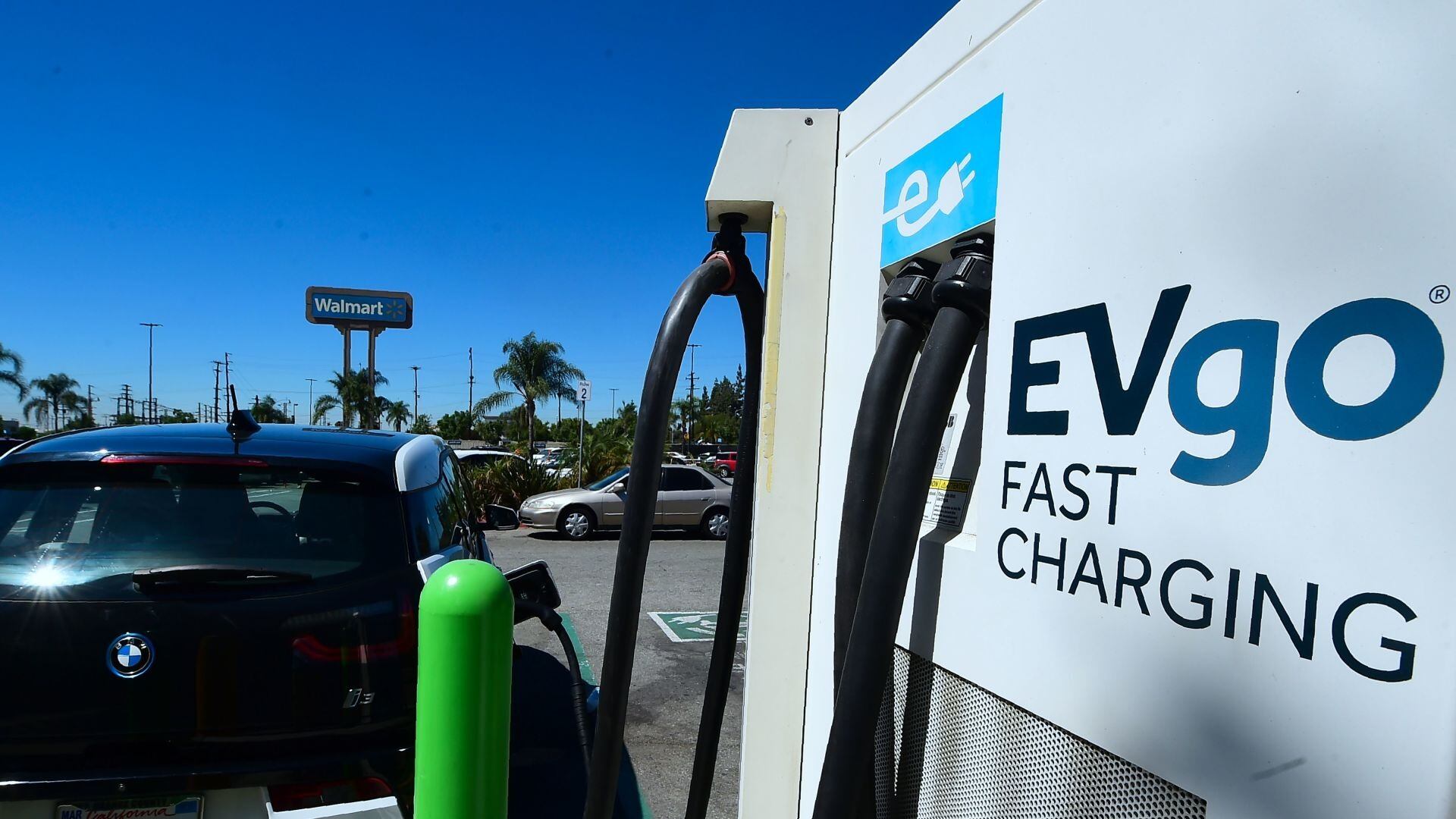
Mobile charging stations have cropped up across urban centers and in high-traffic locations in recent years, a convenient resource for reviving dying phone batteries, but the FBI is issuing a new warning against using the hubs.
The agency cited "bad actors" looking to prey on unsuspecting targets by compromising USB ports on the charging hubs to infect plugged-in devices with malware and monitoring software.
"Carry your own charger and USB cord and use an electrical outlet instead," the FBI said in a tweet.
The agency's warning isn't the first issued to the general public about the potential hazards of public charging stations. In 2021, the FCC issued a "juice jacking" warning as one of the newest cyber-theft tactics.
"Cybersecurity experts have warned that criminals can load malware onto public USB charging stations to maliciously access electronic devices while they are being charged. Malware installed through a dirty USB port can lock a device or export personal data and passwords directly to the perpetrator," the FCC said at the time.
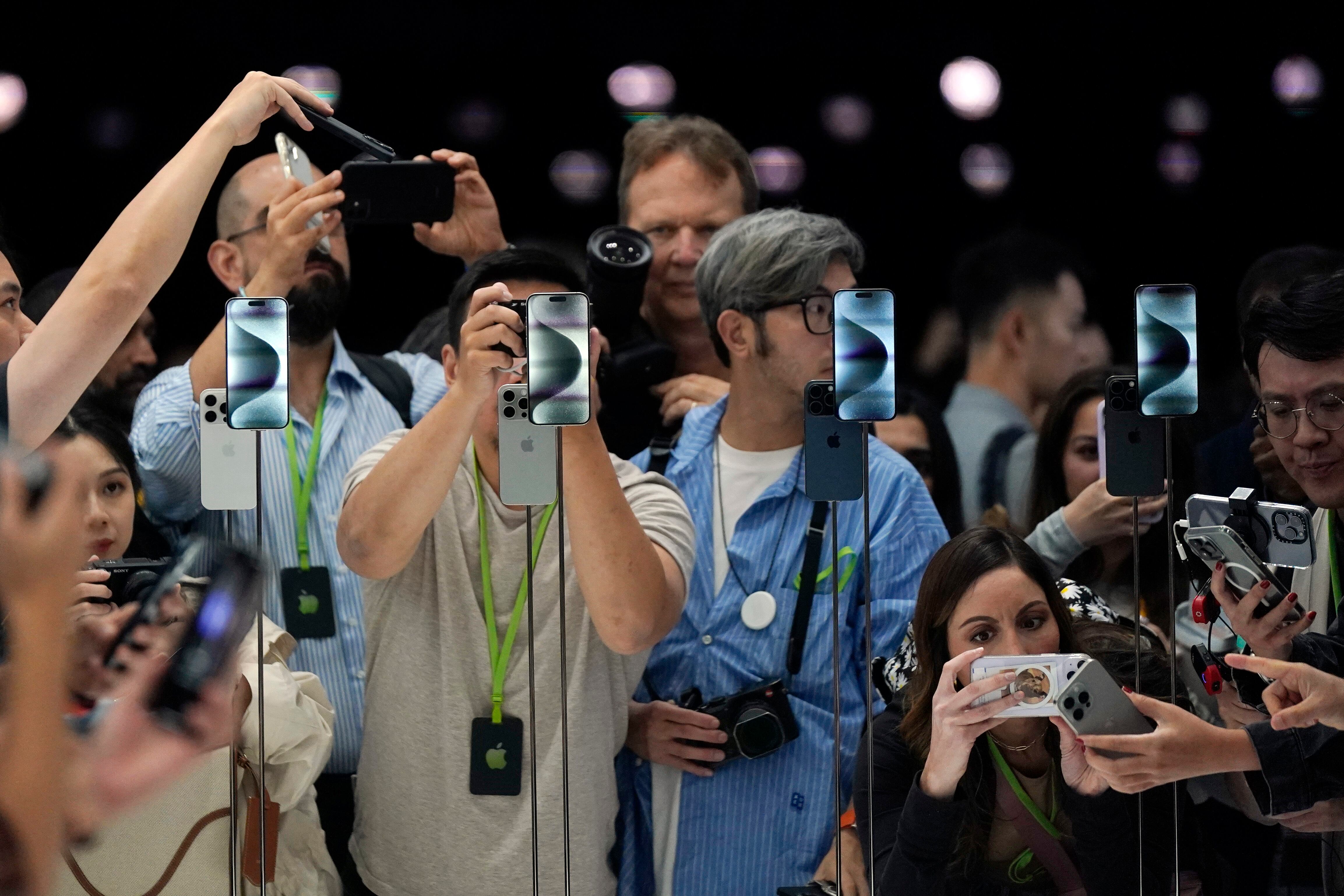
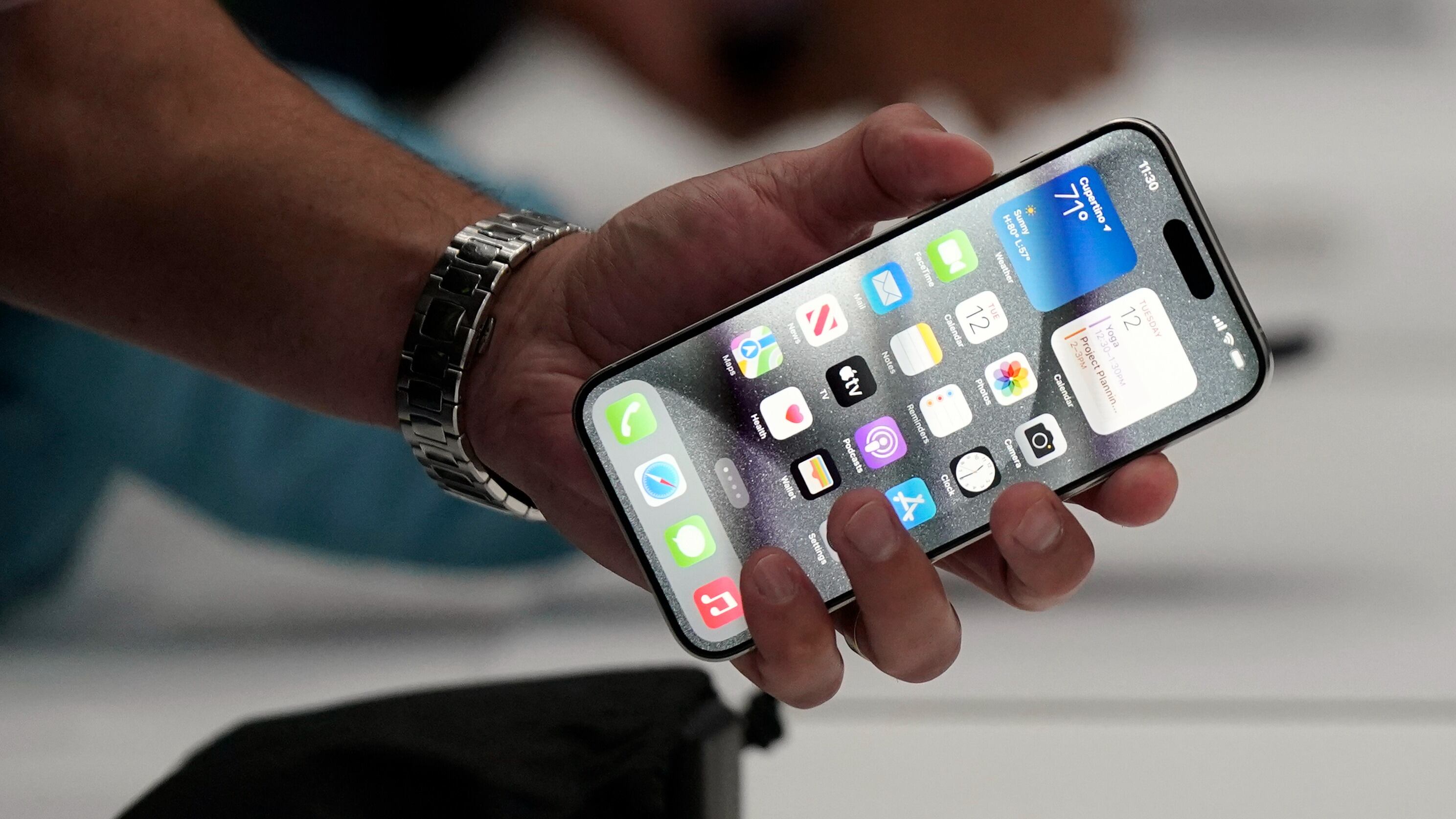
Apple on Tuesday unveiled its next generation of iPhones — a line-up that will boast better cameras, faster processors, a new charging system and a price hike for the fanciest model.
Apple held its latest event, unveiled two new products and launched a new iPhone. Michelle Castillo broke down what products and features were included at the 'Wonderlust' event on Tuesday.
The U.S. government is taking aim at what has been an indomitable empire: Google’s ubiquitous search engine that has become the internet’s main gateway.