Mobile charging stations have cropped up across urban centers and in high-traffic locations in recent years, a convenient resource for reviving dying phone batteries, but the FBI is issuing a new warning against using the hubs.
The agency cited "bad actors" looking to prey on unsuspecting targets by compromising USB ports on the charging hubs to infect plugged-in devices with malware and monitoring software.
"Carry your own charger and USB cord and use an electrical outlet instead," the FBI said in a tweet.
The agency's warning isn't the first issued to the general public about the potential hazards of public charging stations. In 2021, the FCC issued a "juice jacking" warning as one of the newest cyber-theft tactics.
"Cybersecurity experts have warned that criminals can load malware onto public USB charging stations to maliciously access electronic devices while they are being charged. Malware installed through a dirty USB port can lock a device or export personal data and passwords directly to the perpetrator," the FCC said at the time.
Uber missed analysts' projections for earnings per share and revenue this past quarter. Cheddar News takes a closer look at the numbers and explains what to expect for the rest of the fiscal year.
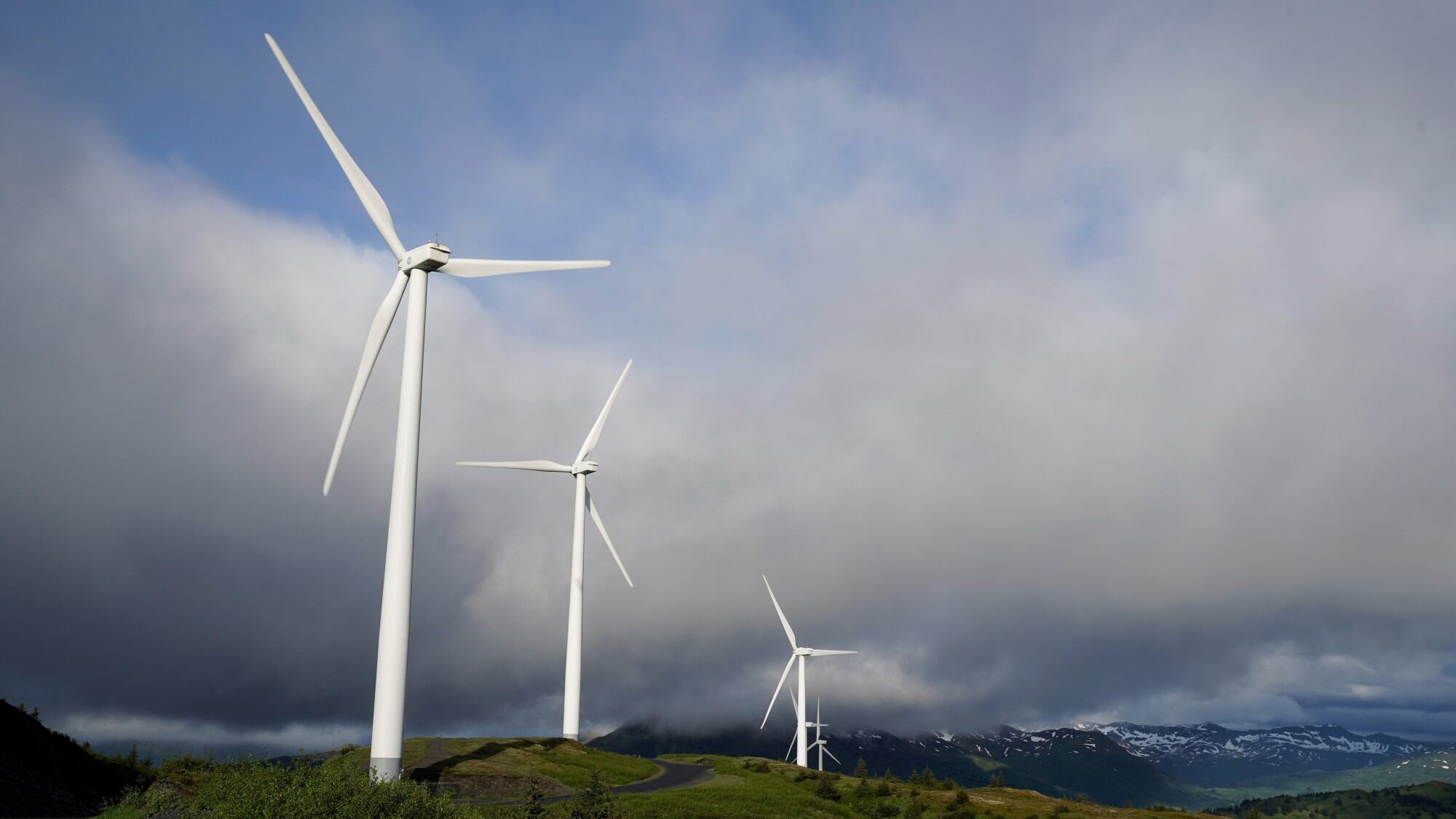
The Air Force is asking Congress to restrict further construction of the towering wind turbines that have edged closer to its nuclear missile sites in Montana, Wyoming, North Dakota, Nebraska and Colorado.
The PlayStation 5 Slim will be reportedly released on Friday.
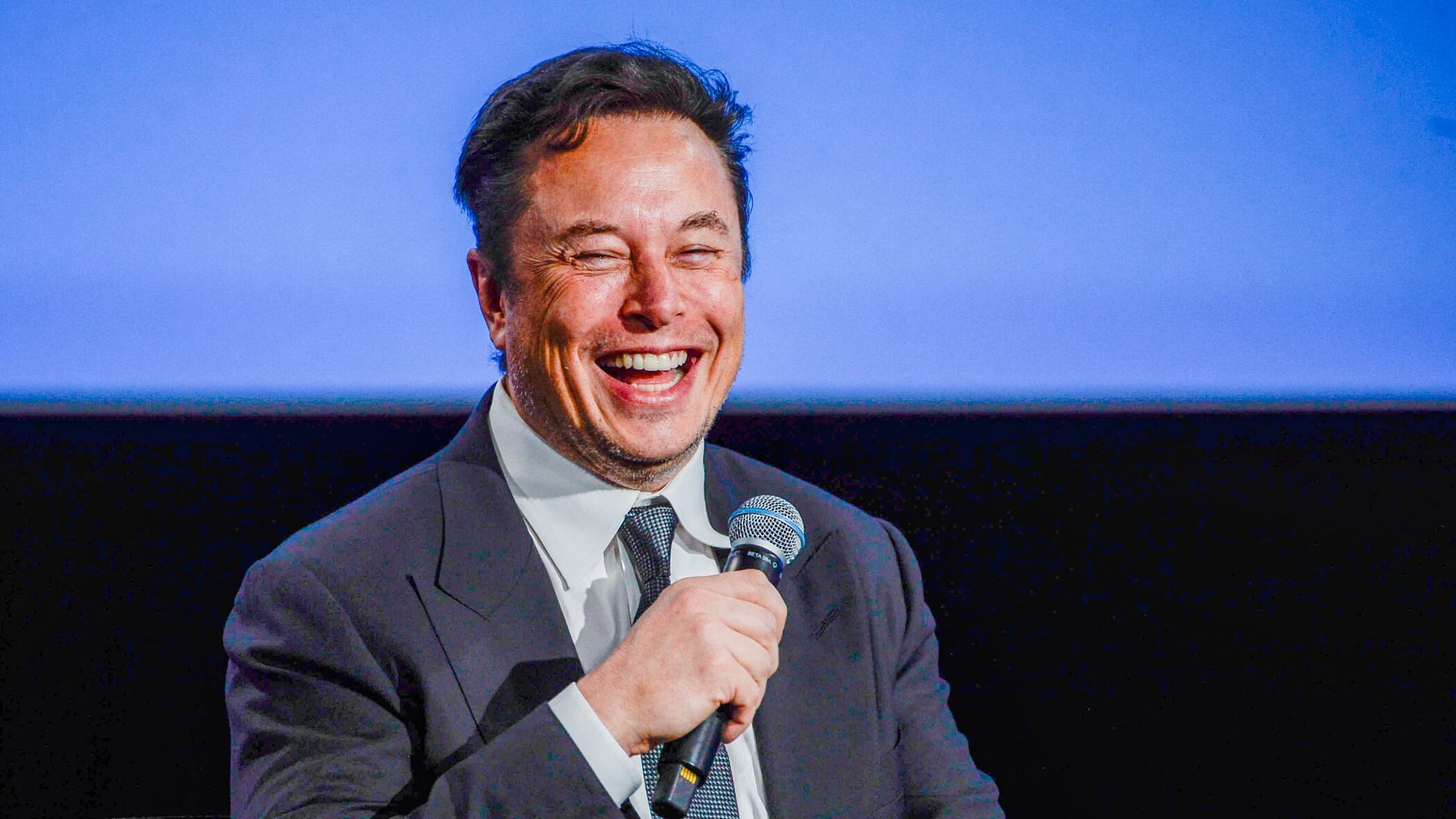
Elon Musk unveiled 'Grok,' his new A.I. chatbot over the weekend, adding that it will be more rebellious than its counterparts. Cheddar News breaks it down.
The trial between Google and the maker of the game Fortnite will begin Monday as a San Francisco jury will hear Epic Games' case claiming the Google Play Store takes an unfair commission on purchases made through apps.
Elon Musk's company XaI has announced a new chatbot called Grok.
Google on Monday will try to protect a lucrative piece of its internet empire at the same time it’s still entangled in the biggest U.S. antitrust trial in a quarter century.
Elon Musk is making a big prediction about artificial intelligence and the jobs market.
Apple posted better-than-expected profit and revenue in the latest quarter but said sales dropped for the fourth straight quarter, including a drop in revenue for iPads and iMacs.
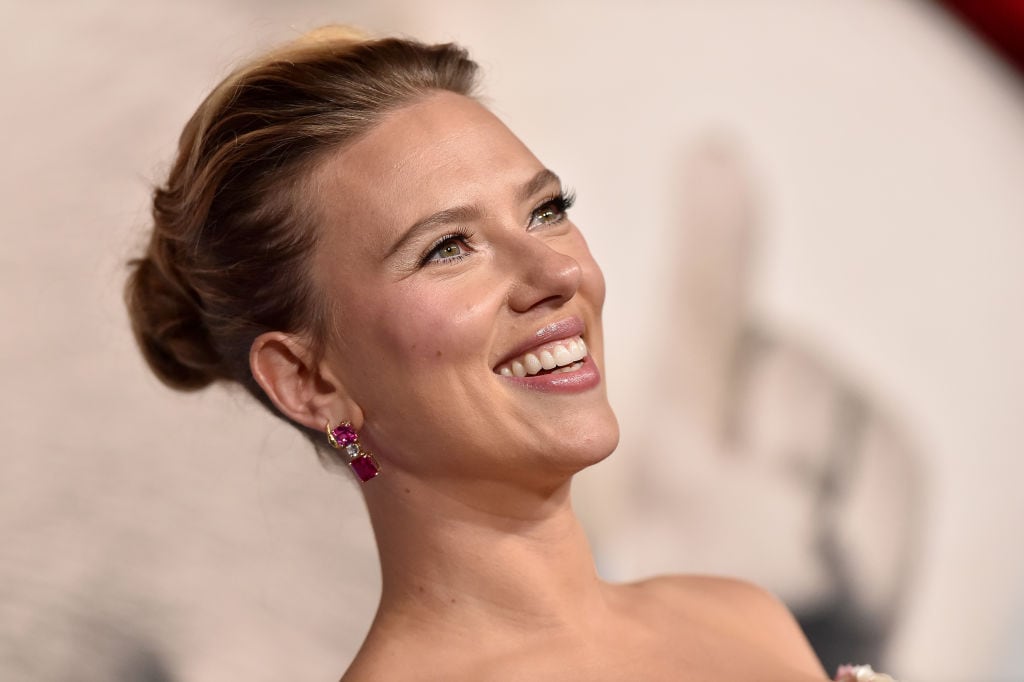
Actress Scarlett Johanssen accuses Lisa A.I. app of using her likeness in ads.