The FBI served a globally recognized hacking group a dose of their own medicine and shut the network down.
The government infiltrated a ransomware gang called Hive and thwarted a $130 million ransomware demand that impacted over 300 people. News about the take down leaked early Thursday after a message from Hive's website read "The Federal Bureau of Investigation seized this site as part of a coordinated law enforcement action taken against Hive Ransomware."
German Federal Criminal Police and the Dutch National High Tech Crime Unit were also involved in the effort and seized Hive's servers.
"Last night, the Justice Department dismantled an international ransomware network responsible for extorting and attempting to extort hundreds of millions of dollars from victims in the United States and around the world," U.S. Attorney General Merrick Garland said in a statement.
The Justice Department said Hive has targeted over 1,500 victims in over 80 countries over the years and racked up over $100 million.
No arrests have been made in connection with the takedown but Garland said the investigation is ongoing and to "stay tuned."
Some of the targeted victims in the thwarted attack include a Texas school district, which the group was set to demand $5 million, and a Louisiana hospital that would have forked over $3 million.
Catching you up on what you missed in today's news. Elon Musk has increased his commitment to purchase Twitter to $33.5 billion, Apple is raising its hourly wages for retail stores to compete for talent, and Roblox has announced that it will be partnering with the medically prescribed video game ‘Endeavor’ to help treat patients with ADHD.
After learning that the suspect in the Uvalde school shooting posted about his intentions on Facebook, activists are urging social networks to make changes. Lena Derhally, a licensed psychotherapist and author of "The Facebook Narcissist," joined Cheddar News to discuss the role social media plays in school shootings. "They're not really invested in taking down hateful content," she said about social platforms."In regards to the shooting, it was 15 minutes before that actual threat. It would be pretty hard for a social media company to trace that threat that quickly. But what they can do better is take down threats and hateful content much faster and more than they're doing now."
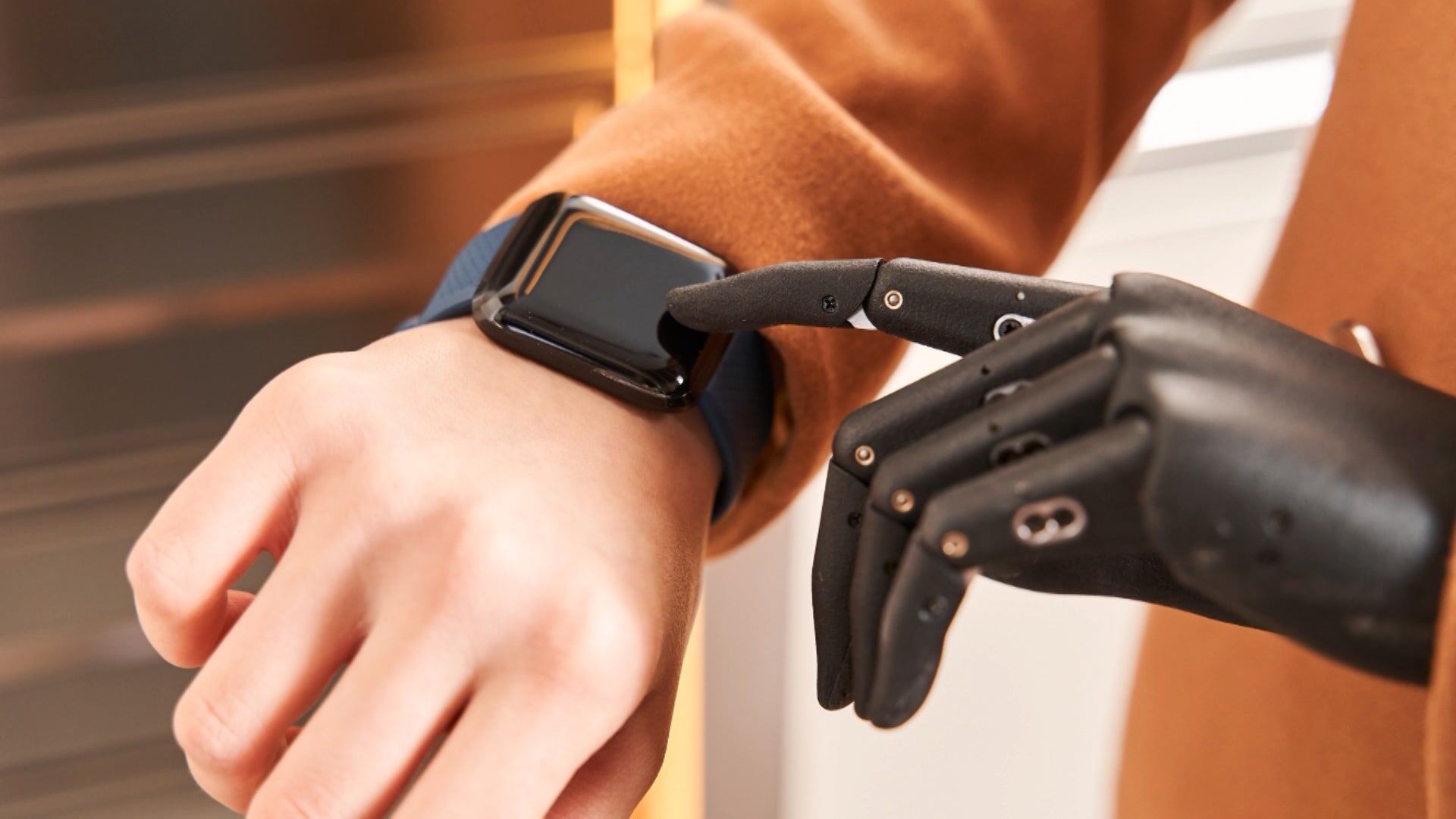
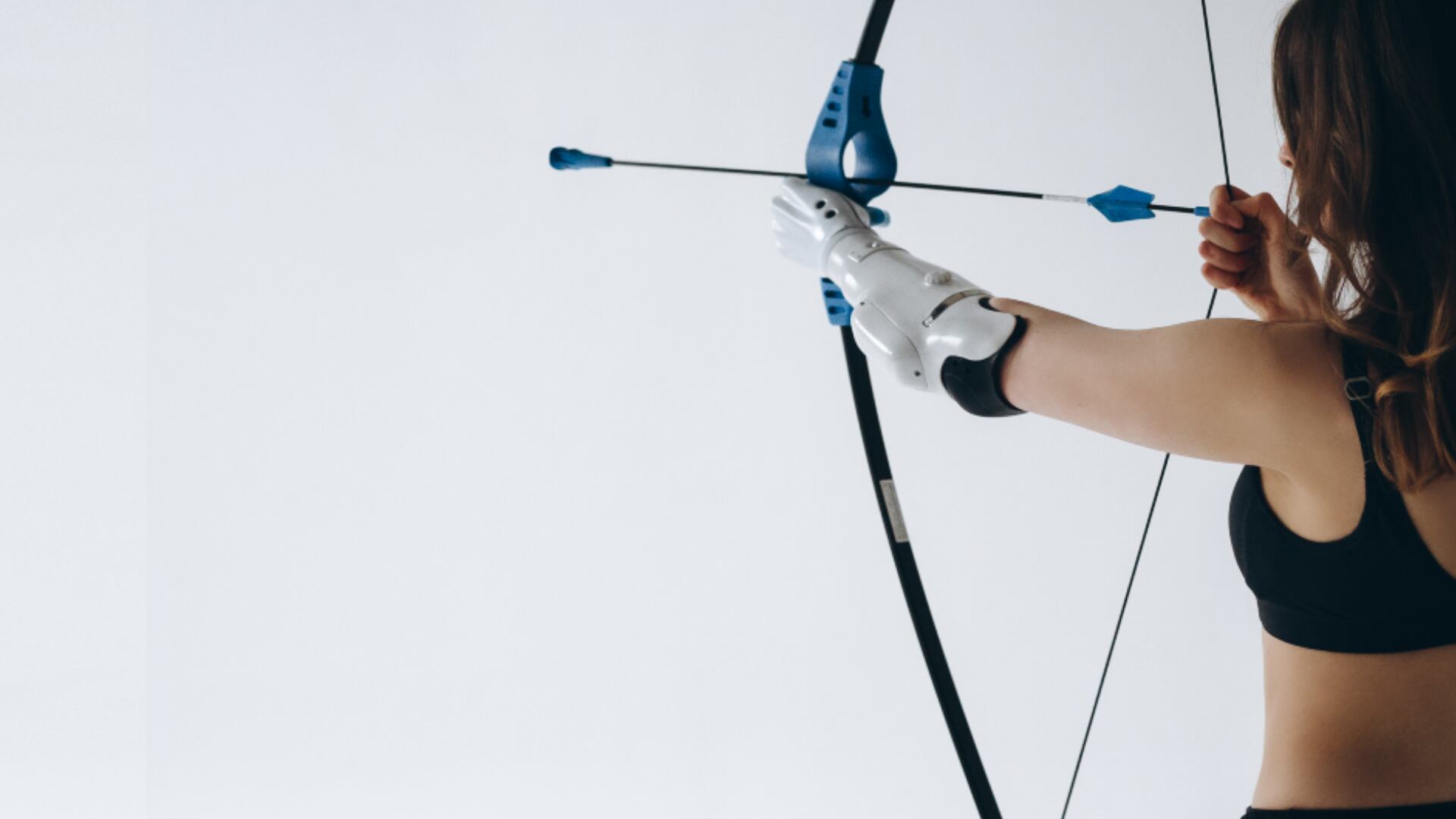
Esper Bionics CEO Dima Gazda breaks down how they're creating a mind-controlled bionic hand that guest smarter the more you use it, and what this innovation means for the future of the prosthetics industry.
On this episode of Cheddar Innovates: Brightseed Co-Founder breaks down what plant bioactives are, and how they're using the latest technology to study human's biological connections with plants; Esper Bionics CEO breaks down how they re creating a mind-controlled bionic hand that guest smarter the more you use it; Cheddar gets a look at Curiosity Stream's 'Capturing A Black Hole In Our Milky Way.'
The crypto industry is still reeling from Terra's recent crash. The company's blockchain was temporarily halted earlier this month after the collapse of its cryptocurrency Luna (LUNA) and its stablecoin TerraUSD (UST), which led to almost $45 billion being wiped from the tokens' market caps within a week. Now, many are left wondering what Terra's struggles mean for the broader crypto market. Reeve Collins, CEO of the NFT platform BLOCKv, joins Cheddar News' Closing Bell from Davos 2022 to discuss.