*By Conor White*
With only one chance to make a first impression, jobseekers would do well to hone their social media profiles before ever stepping into an office for an interview.
"The way that we look at it is your public profile is really like your resume," said Francesca de Quesada Covey, Facebook's head of jobs and service partnerships. "It's information you want to share."
Job candidates can share ambitions, skills, and job pitches in real time, and receive direct feedback from hiring managers via Facebook's Messenger app, de Quesada Covey said in an interview Monday with Cheddar.
"We have 80 million businesses on the Facebook platform, and we see that 1.6 billion people are connected with businesses," she said. "So we know there's a lot of opportunity there to connect people and businesses."
Many Facebook users may be reluctant to share after it was revealed that 87 million of them had their personal information compromised in the Cambridge Analytica data breach. De Quesada Covey said she understands some people are skittish.
To ease concerns, the social network has introduced new protections for jobseekers. A "view as" feature lets users see what personal information is available when someone else views their public profile. This allows jobseekers to know exactly what potential employers will see.
"We're putting privacy in control of the people using Facebook, because privacy is one of the most important things we're doing at Facebook right now," she said.
For the full interview, [click here](https://cheddar.com/videos/finding-a-job-with-facebook).
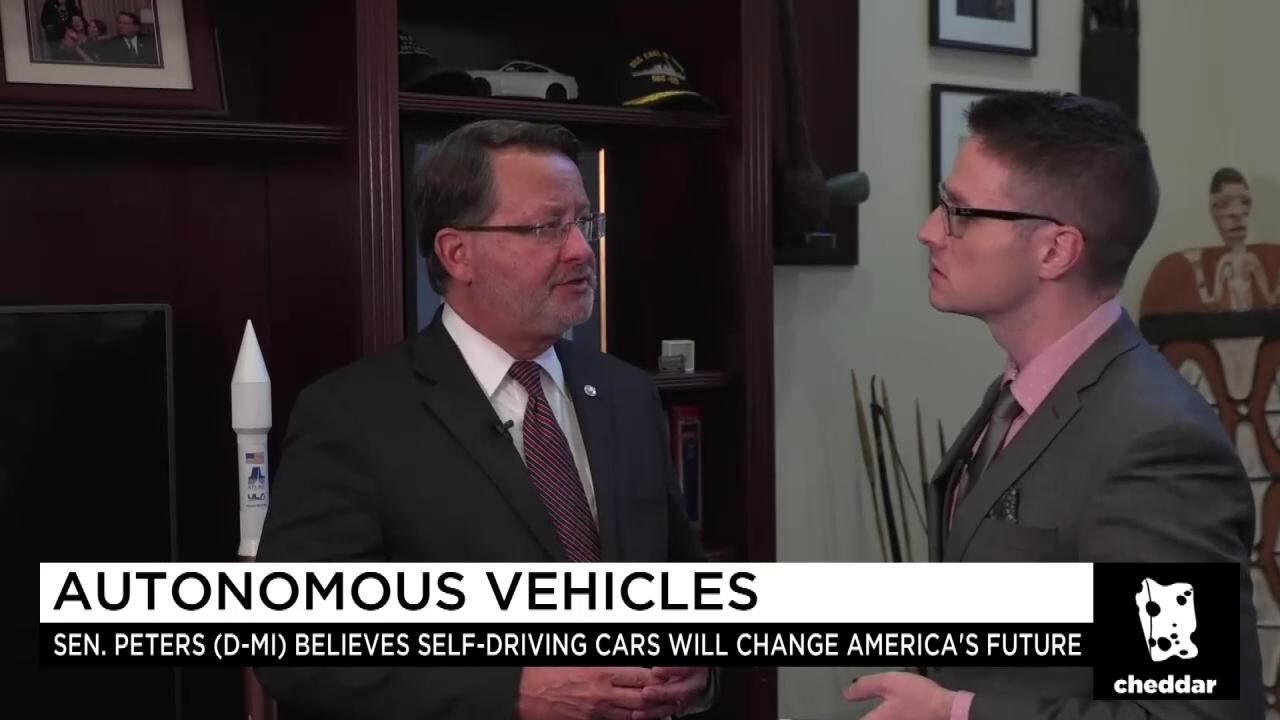
The congressman, who introduced bill to advance autonomous car testing, believes self-driving vehicles will change America's future. He says they will reduce human error and accidents throughout the nation.
Stephanie Horbaczewski, the CEO of marketing service StyleHaul, joined Cheddar to discuss how her company's technology is revolutionizing social media. In shocking news, she says face shape impacts likes!
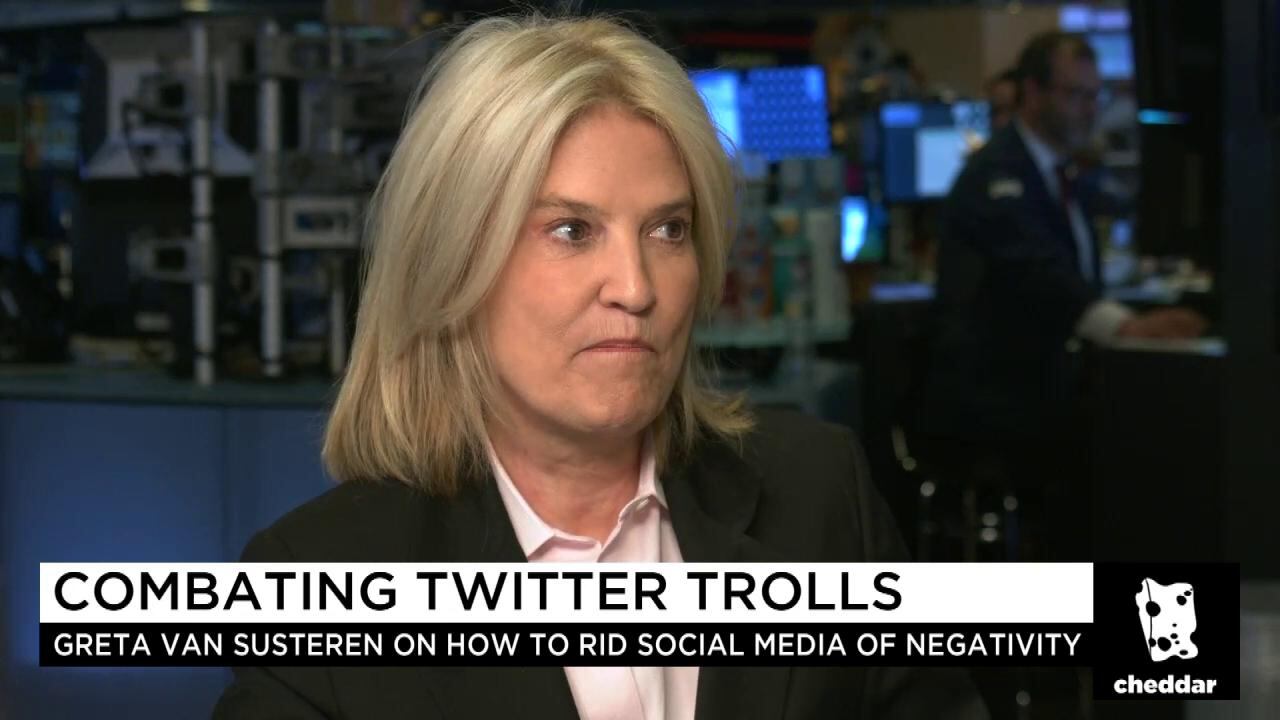
On the heels of launching a new book and a new app, journalist and social media maven Greta Van Susteren joined Cheddar to share tips and tricks for navigating the social media landscape.
Gamers might've been outraged they have to pay to unlock key characters in the new "Star Wars" game, but EA's fast response will boost the game's popularity in the long run, says Tamoor Hussain, editor at GameSpot.
There are over a billion video gamers in the world, and Microsoft is tapping into this crowd and logging user growth on its systems, according to the Xbox's corporate vice president.
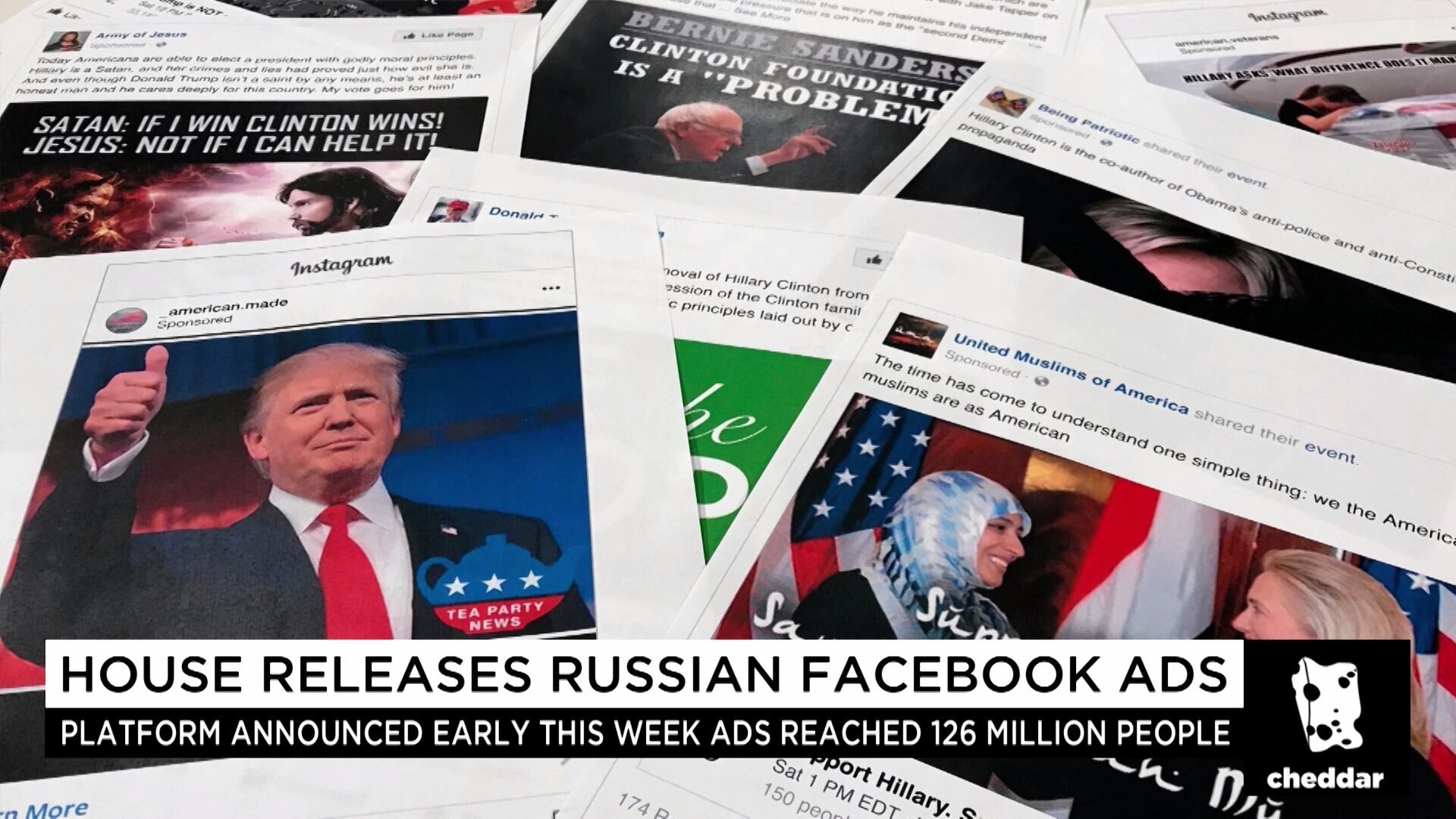
Dana Wollman, Executive Editor at Engadget and Michael Simon, Writer for PC World, join Cheddar for the second day in a row to discuss testimony on Russia's use of social media to meddle in the 2016 election. We discuss the questioning pointed at Facebook, Twitter, and Google in order to understand just how widespread misinformation was on their platforms.
The executives faced questioning from the House and Senate Intel Committees Wednesday, with House members putting Facebook ads on display during the hearing. Some received tens of thousands of likes and millions of impressions.
Dana discussed the ads, noting that many of them simply played on race issues already existing in America. Michael agrees that the ads made clear that their purpose was to play on our own fears as a society and to divide the nation further.
Cheddar Host Tim Stenovec discusses a statement released by Facebook CEO Mark Zuckerberg that stated: "Protecting our community is more important than maximizing our profits." This statement made in reference to Facebook's intention to invest heavily in artificial intelligence that will help the company in more control of its accounts and the information placed on the platform. However, investment in the technology would see operating expenses rise 45% to 60%, cutting heavily into profits.
Simon notes his belief that Zuckerberg is serious about this investment. Dana delves deeper into Representative Adam Schiff's interrogation of the perceived slow response that Facebook took to understand the spread of misinformation on its platform. She adds that the issue here is the algorithm, noting the controversy over the type of content it favors.
Michael discusses the dark side of social media, which the Russia investigation has exposed, adding that he is not sure if we will ever actually know just how widespread these Russian ads really were. Dana notes that she can't give a specific time frame, but she expects this investigation to lead to legislation sometime in the near future.
Kano just raised $28 million in funding. CEO Alex Klein tells us when viewers will be able to get their hands on his computer kits, which aim to make coding more accessible.