A former high-ranking FBI counterintelligence official pleaded guilty Tuesday to conspiring to violate sanctions on Russia by going to work, after he retired, for an oligarch he once investigated.
Appearing before a federal judge in New York City, Charles McGonigal, 55, said he was “deeply remorseful” for work he did in 2021 for the billionaire industrialist Oleg Deripaska.
McGonigal told the judge he accepted over $17,000 to help Deripaska collect derogatory information about another Russian oligarch who was a business competitor. Deripaska has been under U.S. sanctions since 2018 for reasons related to Russia's occupation of Crimea.
McGonigal was also trying to help Deripaska get off the sanctions list, Assistant U.S. Attorney Rebecca Dell said, and was in negotiations along with co-conspirators to receive a fee of $650,000 to $3 million to hunt for electronic files revealing hidden assets of $500 million belonging to the oligarch's business rival.
McGonigal pleaded guilty to a single count of conspiring to launder money and violate the International Emergency Economic Powers Act. He could face up to five years in prison. Judge Jennifer H. Rearden scheduled his sentencing for Dec. 14.
McGonigal, who lives in New York, is separately charged in federal court in Washington, D.C. with concealing at least $225,000 in cash he allegedly received from a former Albanian intelligence official while working for the FBI.
McGonigal was special agent in charge of the FBI’s counterintelligence division in New York from 2016 to 2018. He supervised investigations of Russian oligarchs, including Deripaska.
The U.S. District Court for the District of Columbia later affirmed the sanctions against Deripaska, finding there was evidence he had acted as an agent of Russian President Vladimir Putin.
McGonigal, who became choked up at one point as he described his crime, said Deripaska funneled the $17,500 payment he received through a bank in Cypress and a corporation in New Jersey before it was transferred into his bank account.
“This, as you can imagine, has been a painful process not only for me, but for my friends, family and loved ones,” McGonigal said. “I take full responsibility as my actions were never intended to hurt the United States, the FBI and my family and friends.”
In a release, Matthew G. Olsen, assistant attorney general of the Justice Department’s National Security Division, said, “McGonigal, by his own admission, betrayed his oath and actively concealed his illicit work at the bidding of a sanctioned Russian oligarch.”
"Today’s plea shows the Department of Justice’s resolve to pursue and dismantle the illegal networks that Russian oligarchs use to try to escape the reach of our sanctions and evade our laws,” he added.
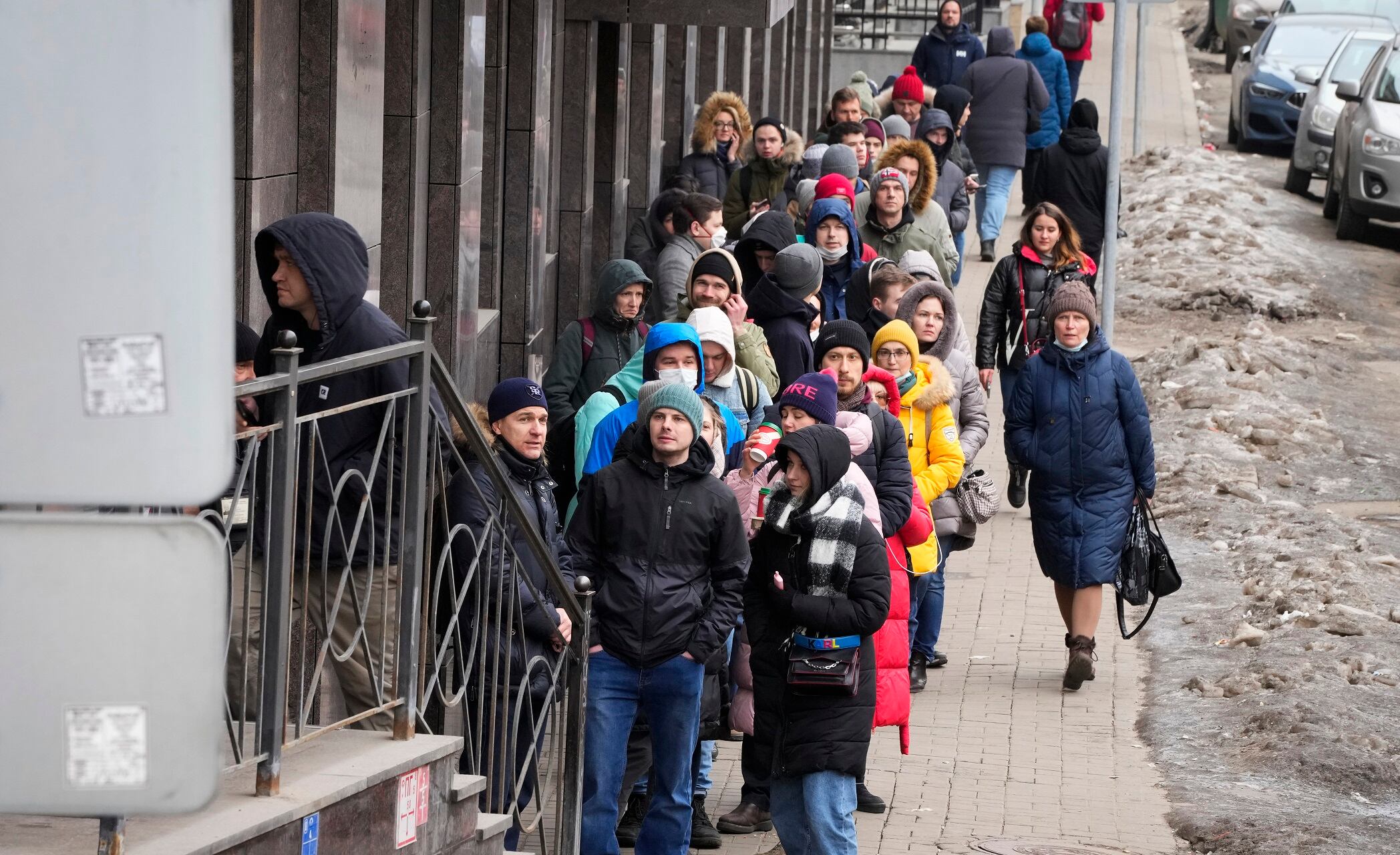
Officials from Ukraine and Russia have begun meeting along the Belarus border to discuss a potential end to the ongoing invasion, even as the fighting continues to drag on. Rep. Al Green (D-Texas 9th District) joined Cheddar's Opening Bell to discuss the conflict between Russia and Ukraine, what to expect from President Joe Biden's State of The Union Address, and the nomination of Ketanji Brown Jackson for the Supreme Court. "I'm still hopeful, and I hope that Mr. Putin will understand that he has united the world against him," Green said of the new round of peace talks.
Within hours of Russia's first attack on Ukraine, President Joe Biden addressed the nation by stating that the White House will impose wider sanctions on Russian banks. These sanctions could result in damage to the Russian economy. Host of "Oh My World" on Youtube and Former Spokesperson for the U. S. Mission to the U. N. Hagar Chemali, joined Cheddar to discuss more.
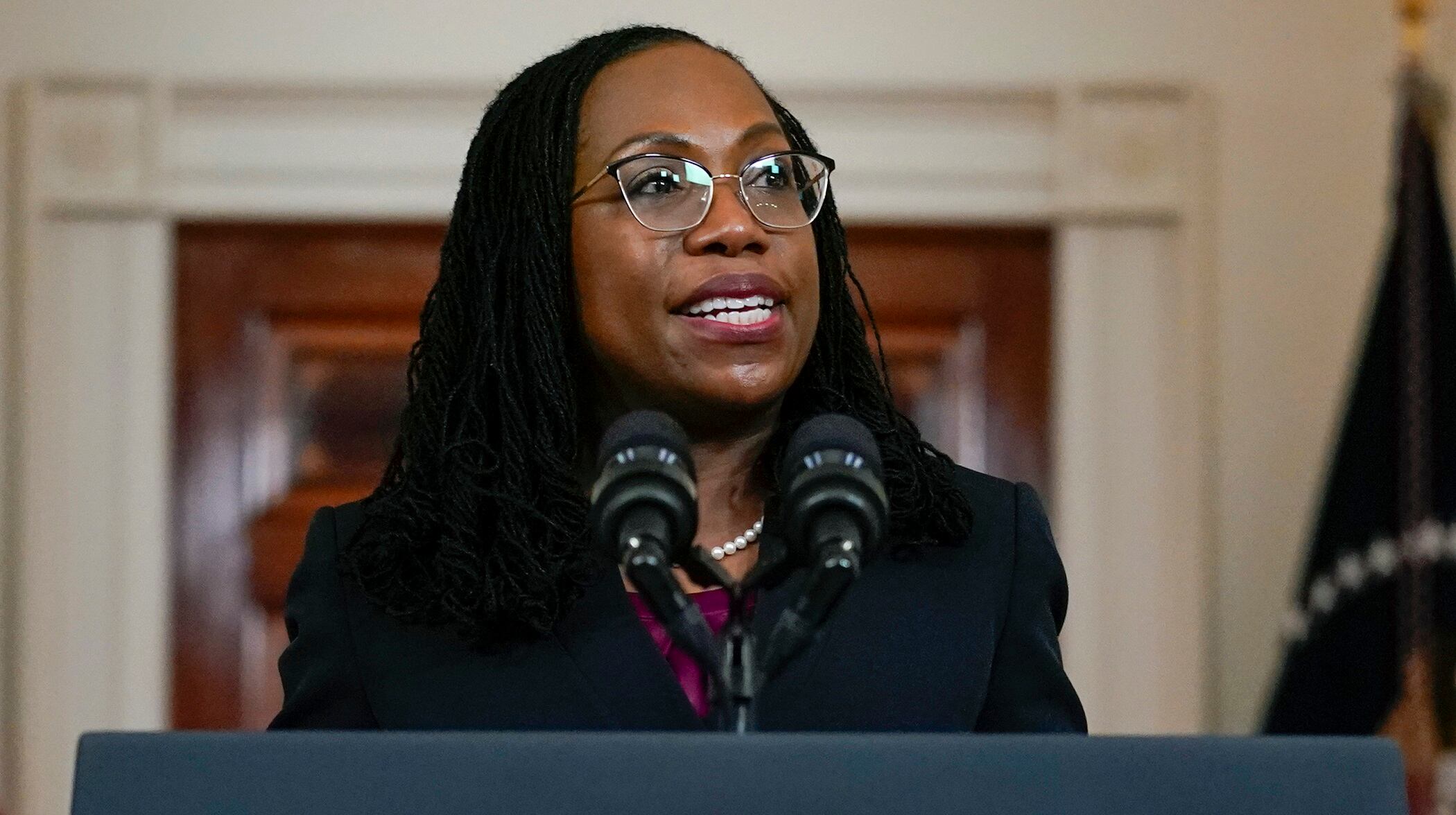
As we celebrate Black History Month, Cheddar is highlighting prominent Black Americans who are carving their own historic paths and trailblazing in their fields. Today we feature Ketanji Brown Jackson, the first Black woman SCOTUS nominee.
Russia's invasion of Ukraine went hand in hand with cyberattacks against Ukrainian government websites and financial institutions. Cheddar News speaks with cybersecurity expert Karim Hijazi, CEO of Prevaillon, on why the Russian cyberwarfare is concerning to other nations.
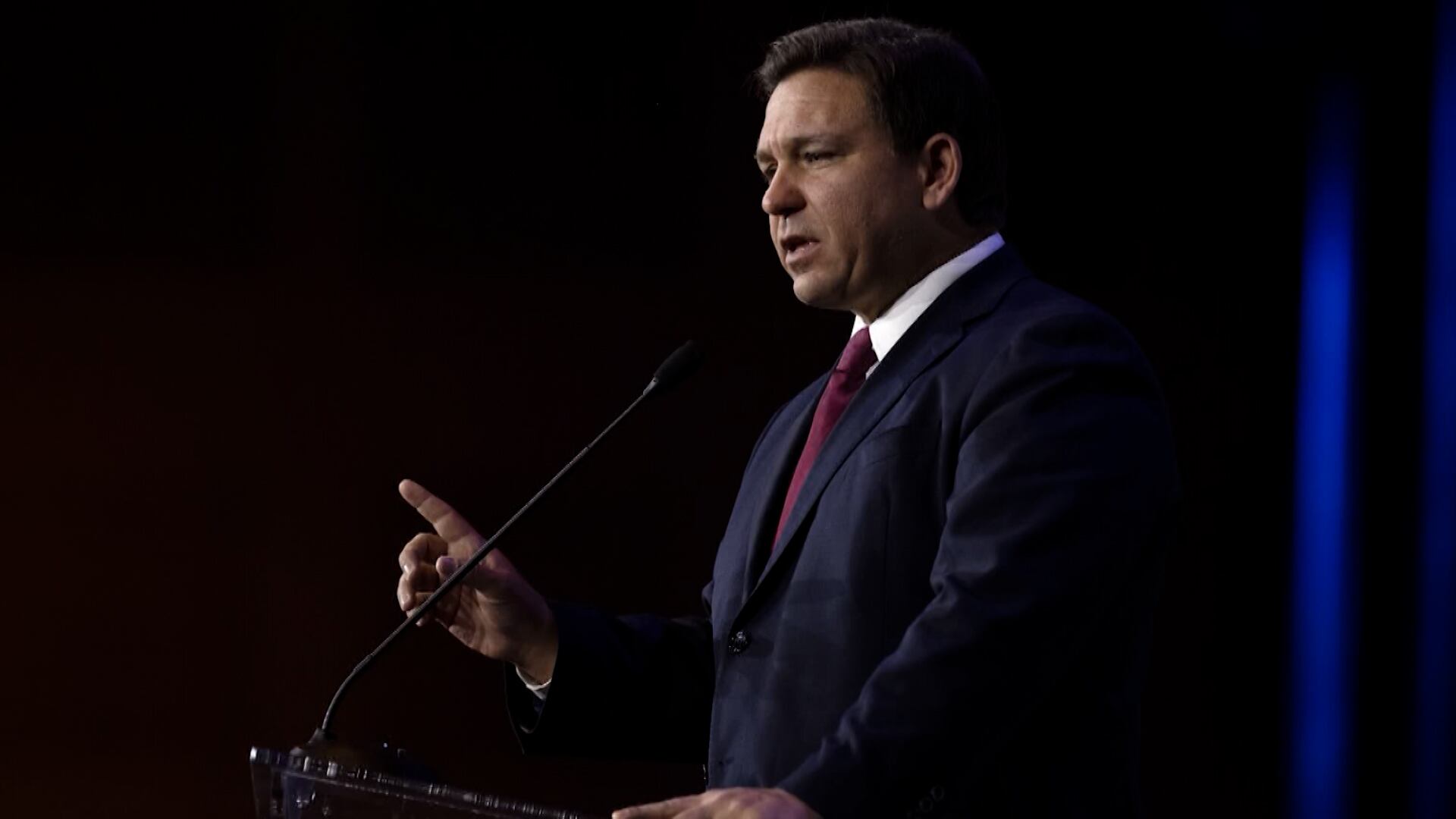
Florida legislation being called the 'Don't Say Gay' bill would restrict some discussion of sexual orientation and gender identity in classrooms with young students. Jon Harris Maurer, public policy director at Equality Florida, joins Cheddar News to discuss.
President Joe Biden promised during his campaign to focus on stable and ally-focused foreign policy, and the Russia-Ukraine crisis seems like an opportunity for him to focus on that tactic after last year's chaotic Afghanistan withdrawal. So far, Biden and western allies have banned together to sanction Russian banks, billionaires, and even President Vladimir Putin himself. Meanwhile, Biden has not deployed U.S. troops to intervene directly in Ukraine. Jack Detsch, national security reporter at Foreign Policy, joins Closing Bell to discuss why Biden is focusing on a sanctions-based, ally-focused strategy, what impact sanctions could have on Russia's economy, and more.
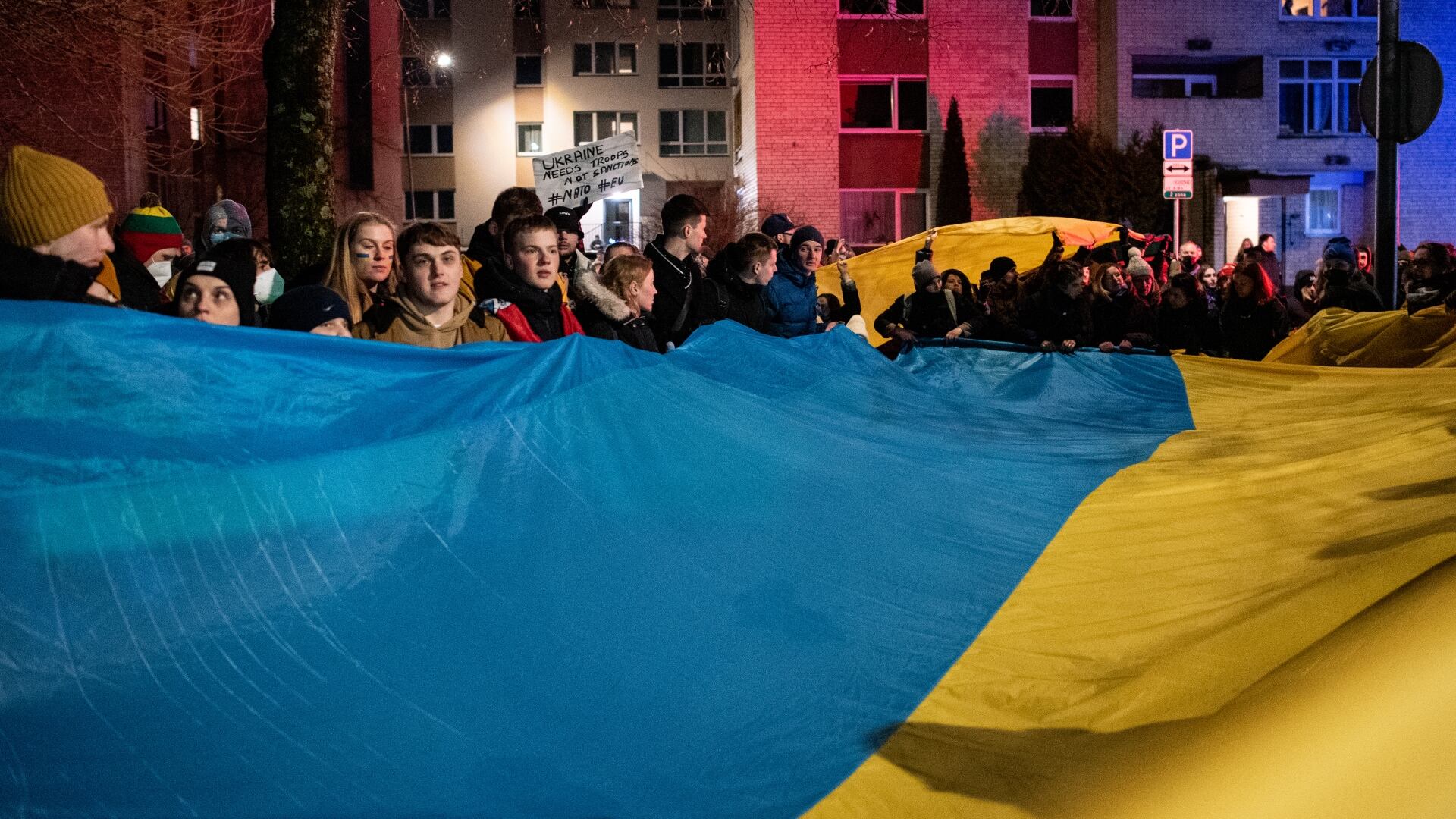
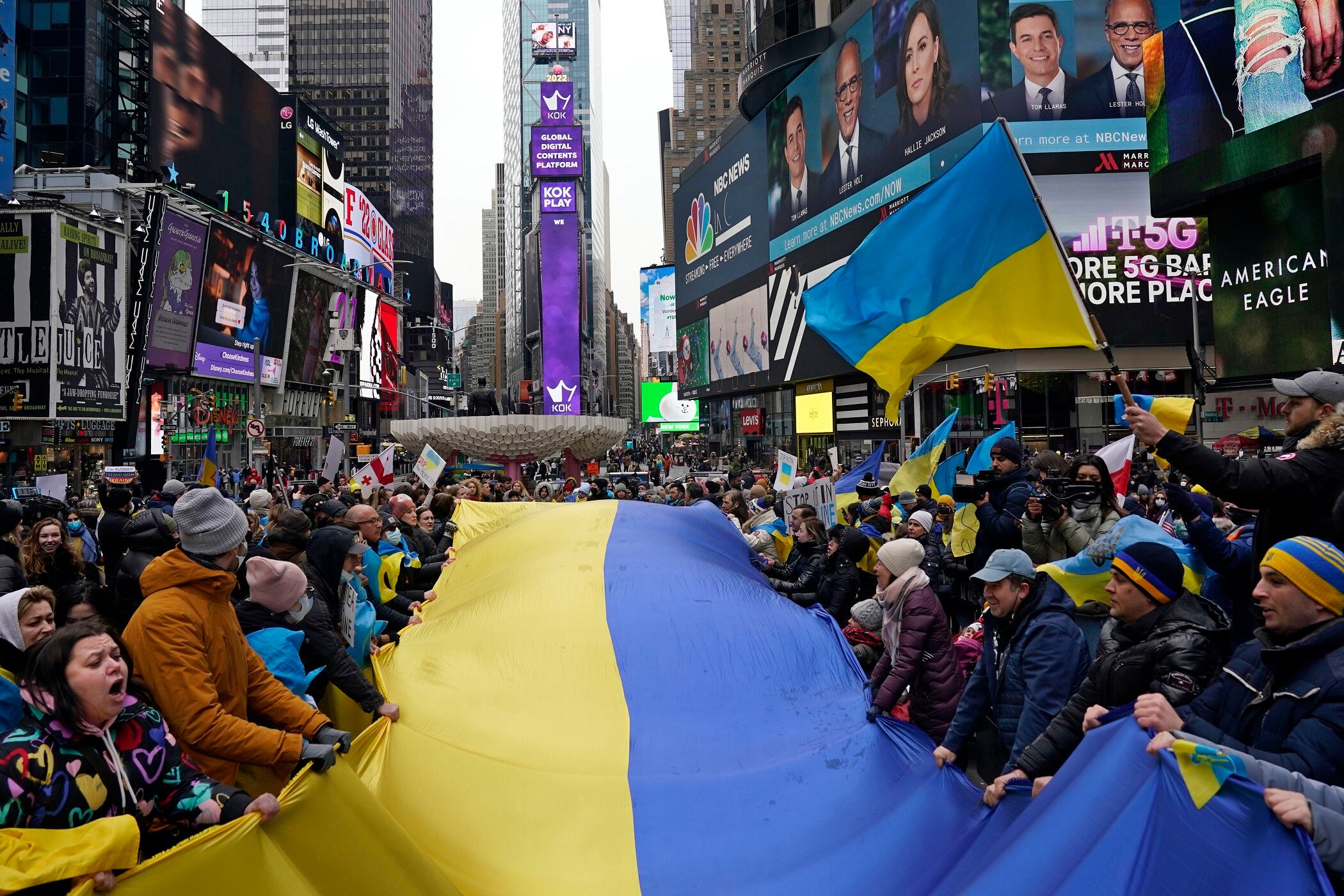
As Russia continues its attack on Ukraine, protests are popping up in major cities across the U.S., including across the street from the United Nations in New York City.. Chloe Aiello reports.