*By Conor White*
Apple, the world's most valuable publicly traded company, may be seriously undervalued, said longtime tech investor Eric Jackson, founder and president at EMJ Capital. He told Cheddar that the iPhone maker should've crossed the $1 trillion threshold long ago.
"This is a company that should be valued as a services business instead of a discreet product business, which is, as long as I can remember, how this company has been valued," he said in an interview Friday.
Jackson estimated Apple's value closer to $1.5 trillion, and he views it as a service-oriented company, much like Salesforce and Google, which get traded at roughly six times price-to-sales multiple.
Though many investors consider Apple a hardware company, Jackson said most consumers have a different relationship with Apple's products.
"Your relationship with your iPhone itself is a long-term service commitment," he said. "Even though you don't have a contract that says your next iPhone you're going to upgrade in one year or two years, who among us who owns an iPhone is not going to, in three to four years, upgrade to the latest and greatest iPhone?"
As bullish as Jackson is on Apple, he admitted China ー and consumers in other countries ー may stunt the company's growth because the iPhone faces competition from cheaper smartphones.
"China is a challenge, for sure, probably the biggest challenge that Apple faces in that regard because you have other services like WeChat that can potentially get in between your personal relationship with the phone," Jackson said.
For more on this story, [click here](https://cheddar.com/videos/why-one-investor-believes-apple-is-worth-more-than-1-trillion).
The National Highway Traffic Safety Administration is investigating roughly 580,000 Tesla vehicles due to their front touch screen 'passenger play' gaming feature amid concerns over possible distracted driving. The investigation covers Tesla models ranging from the years 2017-2022. Brian Moody, Executive Editor at Autotrader, joined Cheddar Movers for more.
After a two-week delay of 5G deployment at airports due to the airline industry's claims it will cause "catastrophic disruption," AT&T and Verizon are set to roll out the service on January 19. Michael Boyd, CEO of aviation consultancy Boyd Group International, joined Cheddar to discuss the concerns being voiced by the airlines. "If the airline industry thinks it's going to be something to disrupt our system or impair safety, it shouldn't roll out at all, period," Boyd said, noting that the telecom giants should rethink the activation over safety and security.
A recent study by MSI uncovers a vast racial divide in influencer marketing. The research found a 35% racial pay gap between white and black influencers. This gap is extremely wider than the gap in other industries such as education, business, and finance. The research also suggests that brands and agencies have the power to close this gap. Tiffany Hardin, founder and CEO of Gild Creative Group, joins Cheddar News to discuss.
Breakthrough Energy Catalyst, a private-public fund backed by Bill Gates, is planning to invest up to $15 billion in clean technology initiatives across the U.S., UK, and European Union. It will target four key areas and help fund large projects that otherwise would not be financially possible. Bobby Hollis, Director of Breakthrough Energy Catalyst, joins Cheddar News' Closing Bell to discuss.
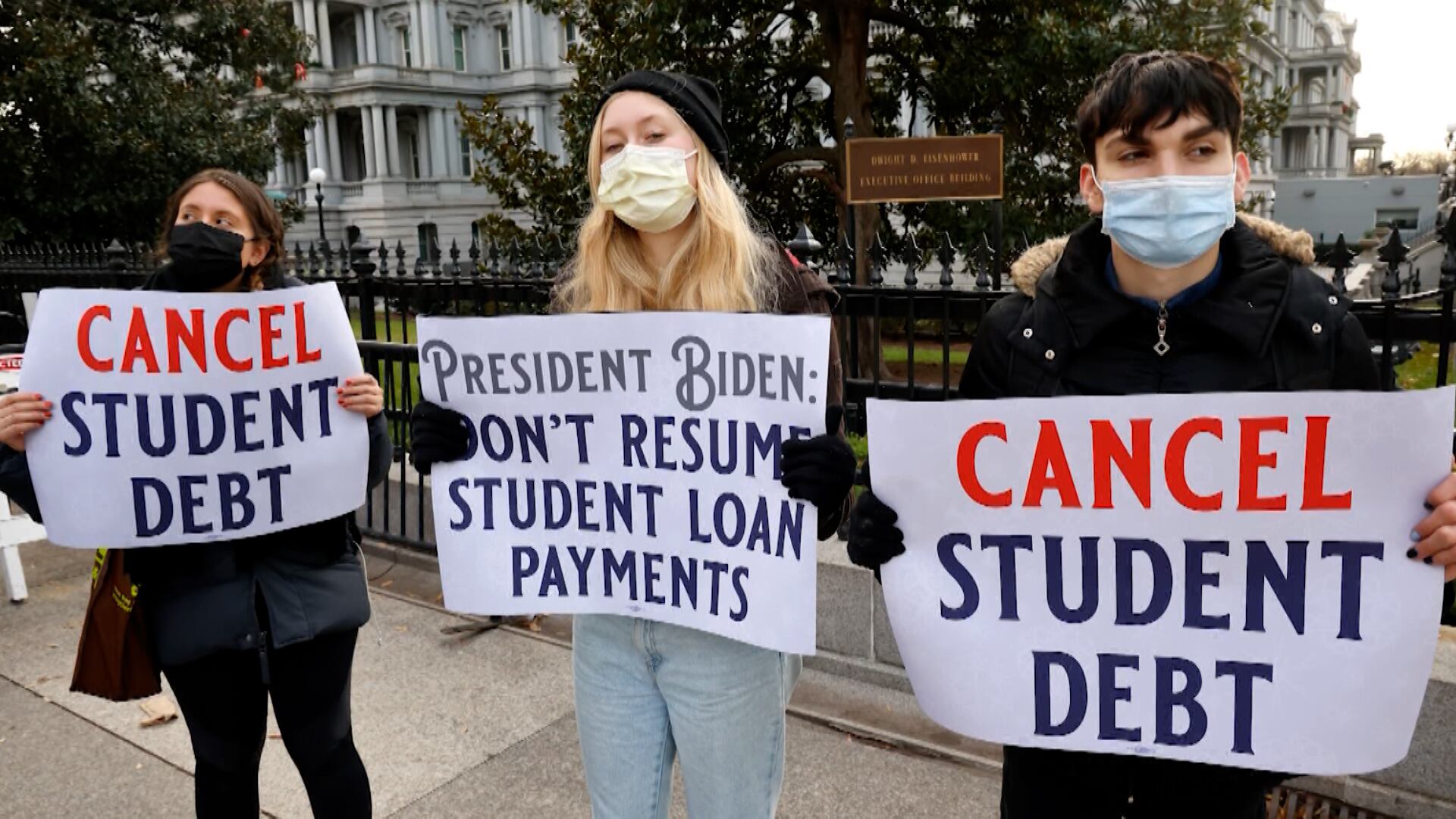
Student loan collection company Navient agreed to cancel $1.7 billion in debt and paid more than $140 million in other penalties to settle a lawsuit over abusive lending practices. Josh Shapiro, the attorney general of Pennsylvania who led negotiations in the settlement, joined Cheddar to go over the details of the company's predatory lending. "What Navient would do is charge [borrowers] these exorbitantly high rates, even though they knew people couldn't pay them or they would likely default on them," he explained.
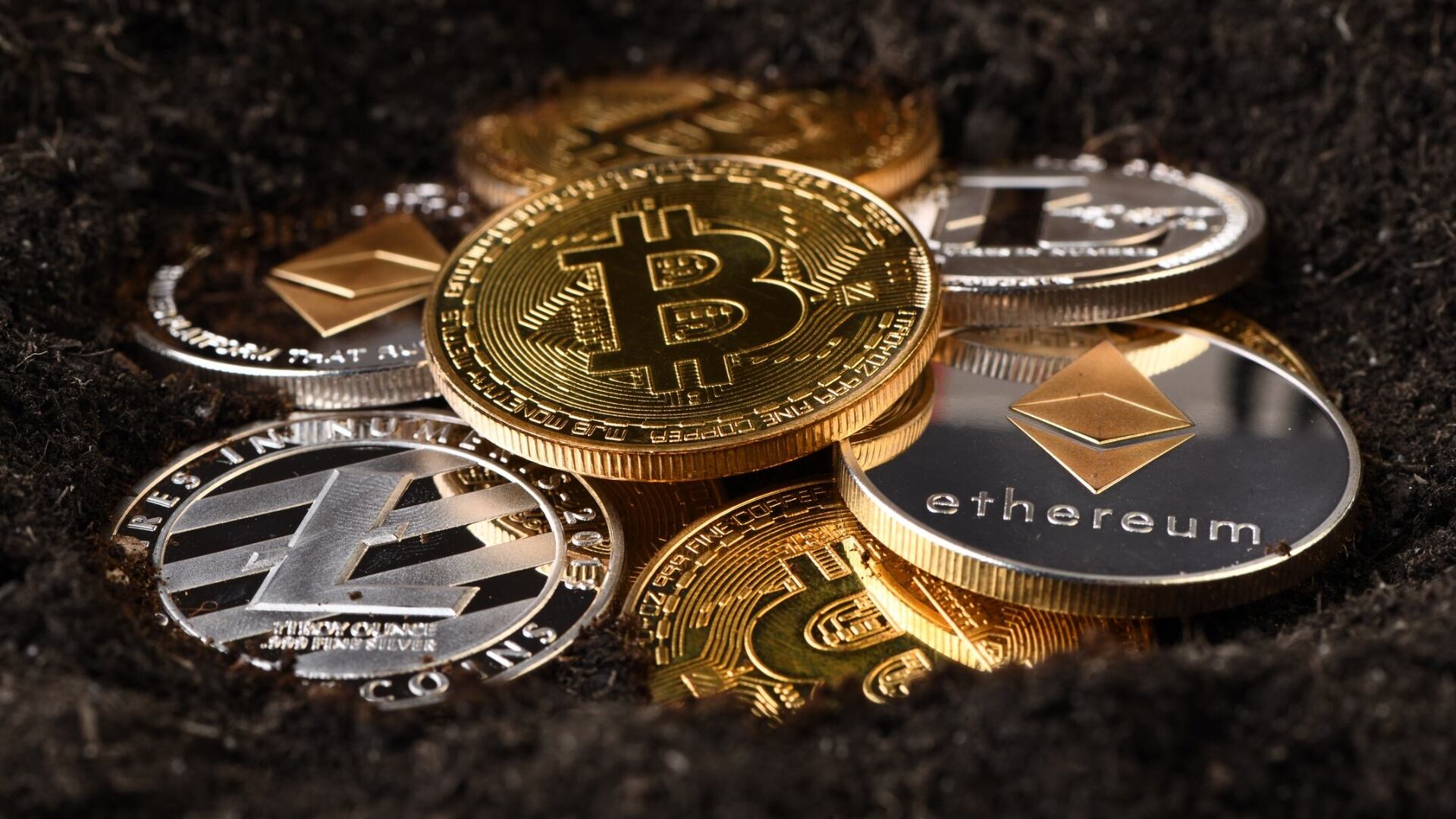
An economic development agency, the Northwest Arkansas Council, is looking to draw technology professionals to their region of the Southern state with incentives like $10,000 worth of Bitcoin and a new bicycle. Nelson Peacock, president and CEO of the private nonprofit made up of companies like Walmart and Tyson Foods, joined Cheddar to talk about the program to further power his local economy. "By offering the payment in Bitcoin, we're looking to identify those people with interest and expertise in the underlying technologies, the blockchain technologies," he said.