*By Conor White*
Apple, the world's most valuable publicly traded company, may be seriously undervalued, said longtime tech investor Eric Jackson, founder and president at EMJ Capital. He told Cheddar that the iPhone maker should've crossed the $1 trillion threshold long ago.
"This is a company that should be valued as a services business instead of a discreet product business, which is, as long as I can remember, how this company has been valued," he said in an interview Friday.
Jackson estimated Apple's value closer to $1.5 trillion, and he views it as a service-oriented company, much like Salesforce and Google, which get traded at roughly six times price-to-sales multiple.
Though many investors consider Apple a hardware company, Jackson said most consumers have a different relationship with Apple's products.
"Your relationship with your iPhone itself is a long-term service commitment," he said. "Even though you don't have a contract that says your next iPhone you're going to upgrade in one year or two years, who among us who owns an iPhone is not going to, in three to four years, upgrade to the latest and greatest iPhone?"
As bullish as Jackson is on Apple, he admitted China ー and consumers in other countries ー may stunt the company's growth because the iPhone faces competition from cheaper smartphones.
"China is a challenge, for sure, probably the biggest challenge that Apple faces in that regard because you have other services like WeChat that can potentially get in between your personal relationship with the phone," Jackson said.
For more on this story, [click here](https://cheddar.com/videos/why-one-investor-believes-apple-is-worth-more-than-1-trillion).
Honda is recalling more than 330,000 vehicles because heating pads behind both side-view mirrors may not be bonded properly, which could lead to the mirror glass falling out and increase the risk of a crash.
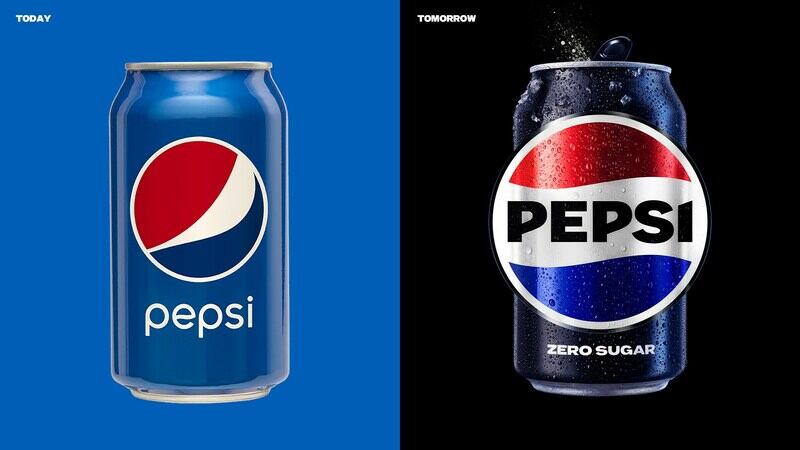
PepsiCo just unveiled a new nostalgic logo, and it might look familiar to long-time fans of the bubbly beverage. The new logo is a slightly modified version of the one last used in the 1990s.
U.S. highway safety regulators have opened yet another investigation into problems with Teslas, this time tied to complaints that the seat belts may not hold people in a crash.
Kia McCallister-Young, director of America Saves, joined Cheddar News to explain key differences to consider when making a choice between a credit union and a bank. "You want to do your research and know exactly how to gain membership to a credit union," she said, "but, again, banks often are able to be more accessible and be in neighborhoods."
Cheddar News breaks down what to look for on The Day Ahead. The House will hold a hearing on the federal response to the recent banking issues while Starbucks CEO will testify on Capitol Hill about union-busting claims. Disney Parks workers are set to vote on a new contract proposal.