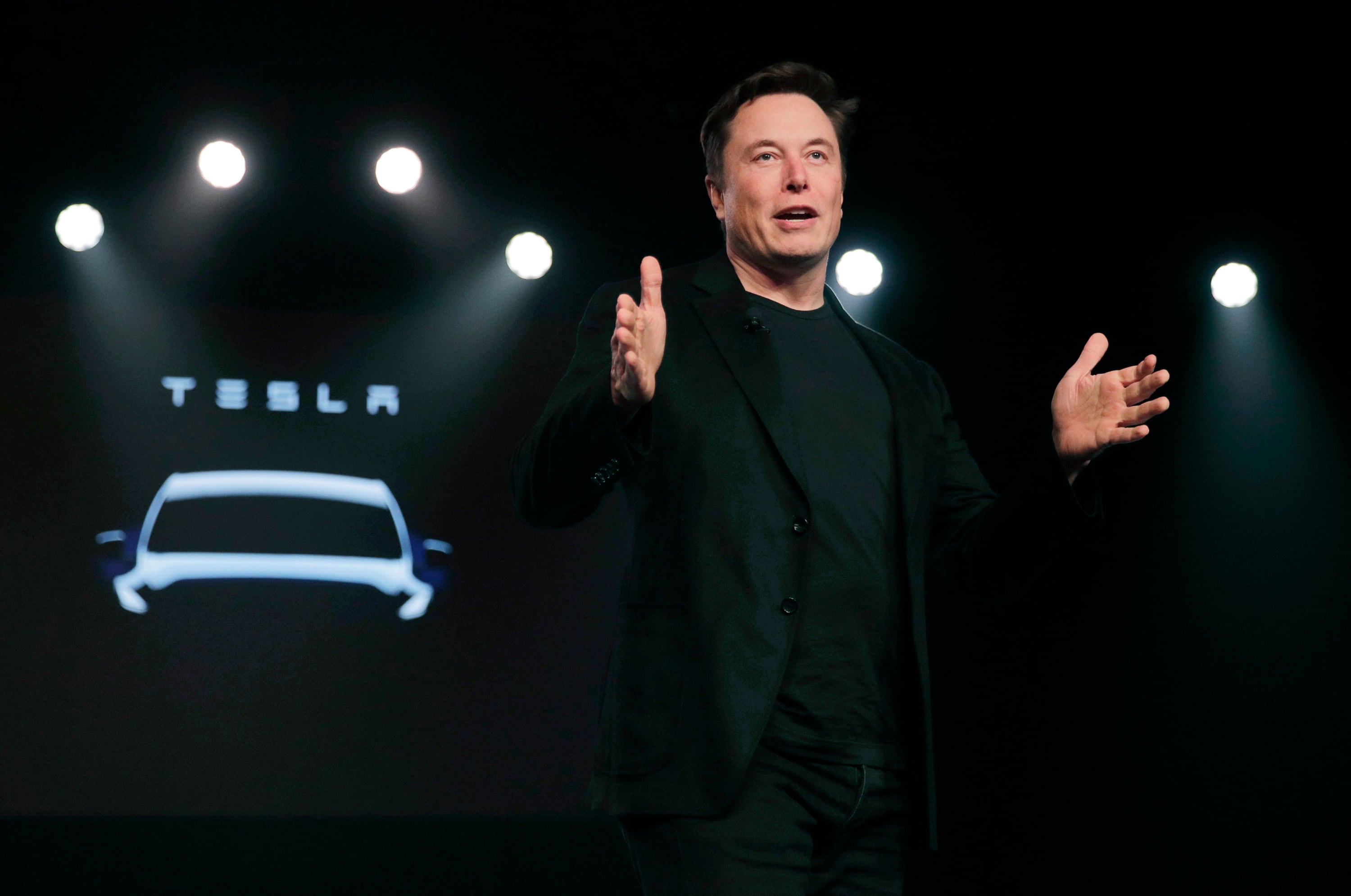
*By Carlo Versano* A day after Tesla's embattled CEO Elon Musk unburdened himself in a phone call with The New York Times, investors in his only public company signaled they were less than forgiving, sending shares of the electric car maker down about 9 percent on Friday. Musk [told The Times](https://www.nytimes.com/2018/08/16/business/elon-musk-interview-tesla.html) that the past year has been "excruciating" and the "most difficult and painful" of his career. The interview laid bare an executive at the end of his rope, said Tim Higgins of the Wall Street Journal ー "a portrait of a man who's been under incredible pressure for almost a year now." Around the same time that Musk's interview with the Times was published, Higgins and his colleagues [reported](https://www.wsj.com/articles/sec-pressing-tesla-directors-for-details-on-communications-with-elon-musk-1534450010) that the SEC was farther along in an investigation of Tesla than previously thought. "The investigation is beyond just this tweet," Higgins said, referring to Musk's now infamous declaration that he secured funding to take Tesla private. Federal regulators were also looking into whether Musk misled investors about Model 3 production since last year, including sending a subpoena to at least one supplier. That investigation into Model 3 production predates the questions about Musk's tweet last week that he would [take the company private at $420 a share](https://cheddar.com/videos/elon-musk-wants-to-take-tesla-private-at-420-a-share) ー a statement that the former SEC boss Laura Unger [told Cheddar](https://www.cheddar.com/videos/former-sec-chair-musk-is-trying-to-explain-what-he-wrote) was "clearly misleading." Even as a private company, Musk would have challenges, Higgins said. Though Musk wouldn't have to engage in the "constant battle" with short-sellers that he's pointed to as a root of Tesla's problems, he would still have difficulty ramping up production of a mass-market electric car built essentially from scratch. "At the end of the day you still need to have a profitable business and making cars is really hard," Higgins said. For more on this story, [click here](https://cheddar.com/videos/tesla-tumbles-after-elon-musks-emotional-interview).