*By Jeffrey Marcus*
Tesla's chairman and CEO Elon Musk escaped an attempt by some shareholders Tuesday to strip him of one of his jobs running the electric car company he founded 15 years ago. Musk will remain as chairman after he fended off an effort by an investor group to remove him and oust three board members loyal to him, including Musk's brother Kimbal.
The vote failed by a "super majority," the company said, which is not surprising. Any vote would take two-thirds to pass, and Musk himself reportedly owns one-fifth of the company's shares.
Other developments from the shareholders meeting include:
* Tesla announced plans to build a factory in China, a move that would allow the car company to avoid import tariffs there. The Chinese government recently announced it would allow electric car makers to own factories in China without a domestic partner. Tesla's head of global sales, Robin Ren, said the factory would be in Shanghai, and Musk said the factory would assemble cars and build batteries in the same place, [CNBC reported](https://www.cnbc.com/2018/06/05/tesla-talks-shanghai-factory-at-shareholder-meeting.html).
* With the help of a new third assembly line at the company's California factory, Musk said Tesla will likely be able to produce 5,000 Model 3 vehicles a week by the end of June. The plant is already producing an average of 3,500 week, he said, and the grueling months-long effort to ramp up production has been worth it. "It's been the most excruciating, hellish months I've maybe ever had, but I think we're getting there," Musk said [according to The New York Times](https://www.nytimes.com/2018/06/05/business/tesla-once-a-wall-street-darling-faces-investor-challenge.html).
* Despite fatal crashes involving Tesla's Autopilot feature, the company is pressing ahead, even offering free trials for customers who are not certain they want to spend another $5,000 on a non-existent chauffeur, [Wired magazine](https://www.wired.com/story/elon-musk-tesla-shareholders-meeting/) reported.
* New models are on deck, including the all-wheel drive Model 3, expected to begin limited production later this year; the Model Y, which will go into production in 2020; and the semi truck and the new roadster expected around the same time.
* Musk did not lash out the way he did during Tesla's quarterly earnings call last month, when he antagonized analysts and institutional investors. But it was still an emotional shareholders meeting for Musk, who had his authority challenged and his vision questioned. He got a little choked up, [Reuters reported](https://www.reuters.com/article/us-tesla-shareholders/teslas-musk-says-quite-likely-will-meet-model-3-goal-directors-re-elected-idUSKCN1J12YT). "At Tesla we build our cars with love," Musk said. "At a lot of other companies, they're built by marketing or the finance department and there's no soul. We're not perfect, but we pour our heart and soul into it and we really care."
Watch [video](https://www.tesla.com/shareholdermeeting) of the full shareholders meeting on Tesla's website. For the full interview, [click here](https://cheddar.com/videos/elon-musk-lives-to-fight-another-day-as-chairman-of-tesla).
The United Nations Secretary-General said this year that his agency's warning about climate change was a 'code red for humanity.' So how will political pledges to lower emissions, increase green energy, and ramp up electric vehicle infrastructure play out, and can we reverse some climate damage next year? Vijay Vaitheeswaran, Global energy & climate innovation editor for The Economist, and host of 'To a Lesser Degree,' The Economist’s podcast on climate change, joins Cheddar Climate to discuss what we can look ahead to in 2022, including global policy shifts and investments from the private and public sectors, holding global leaders accountable, and more.
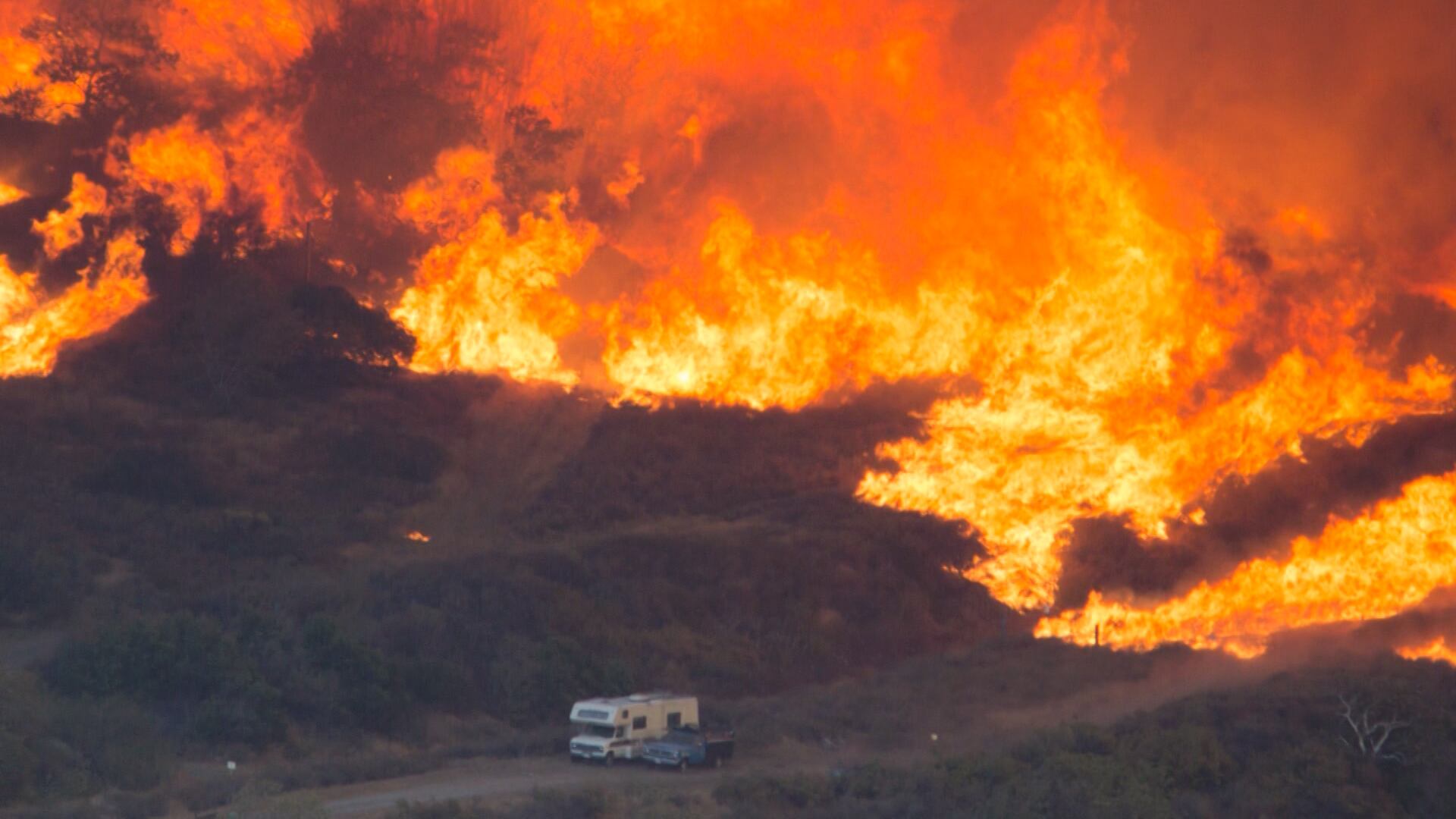
In recent years, extreme weather events like flooding and wildfires have become more frequent, and more severe - and scientists say global warming is to blame. Climate crises could leave people in need of help, and that's where Global Rescue steps in. The crisis response firm employs former Navy Seals and Army Rangers to rescue travelers from climate-related emergencies. Global Rescue CEO Dan Richards joins Cheddar Climate to discuss.
Cloud-based AI-powered writing assistant Grammarly recently raised $200 million in a funding round that values the company at $13 billion. The funding will be used to help Grammarly achieve its goal of becoming more ubiquitous, as the company says it wants to be the go-to writing assistant for wherever people type. Grammarly also says it aims to solve what it calls one of the most critical problems facing people and businesses today -- ineffective communication. Grammarly global head of product Rahul Roy-Chowdhury joins Cheddar News' Closing Bell to discuss.
The Competition and Markets Authority in the UK moved to block Facebook parent company Meta from acquiring the image sharing platform Giphy after saying advertisers and consumers would be adversely impacted. Hatem Dhiab, managing partner at Gerber Kawasaki Wealth & Investment, joined Cheddar to break down the decision and noted that the CMA's order could also halt other big tech firms from making similar purchases in the future. "I think this is going to be true for Facebook, it's going to happen for other big tech companies — Amazon, perhaps Google, so it's interesting that the UK is starting this wave," he said.
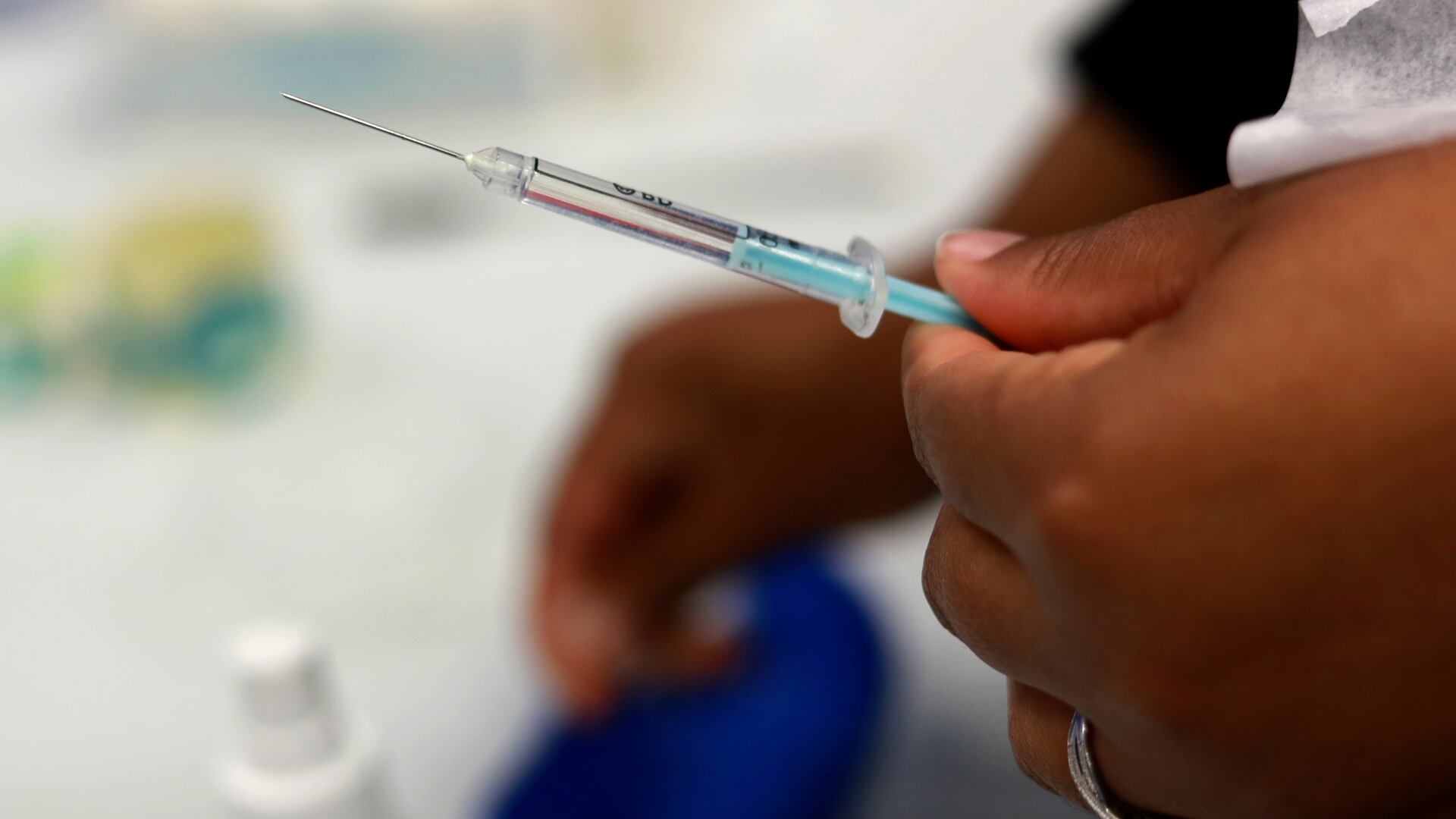
Jennifer Lotito, president and COO at the non-profit (RED), joined Cheddar to discuss the CODE (RED) campaign as the organization looks to expand its mission to support both AIDS and COVID-19 relief. She explained that people can get involved in the campaign for Giving Tuesday and ahead of World AIDS Day by shopping (RED) branded products and even using credit card rewards points to add their own support. Lotito also pointed out that COVID-19 has also impacted HIV testing as people avoid clinics out of fear of the other pandemic.
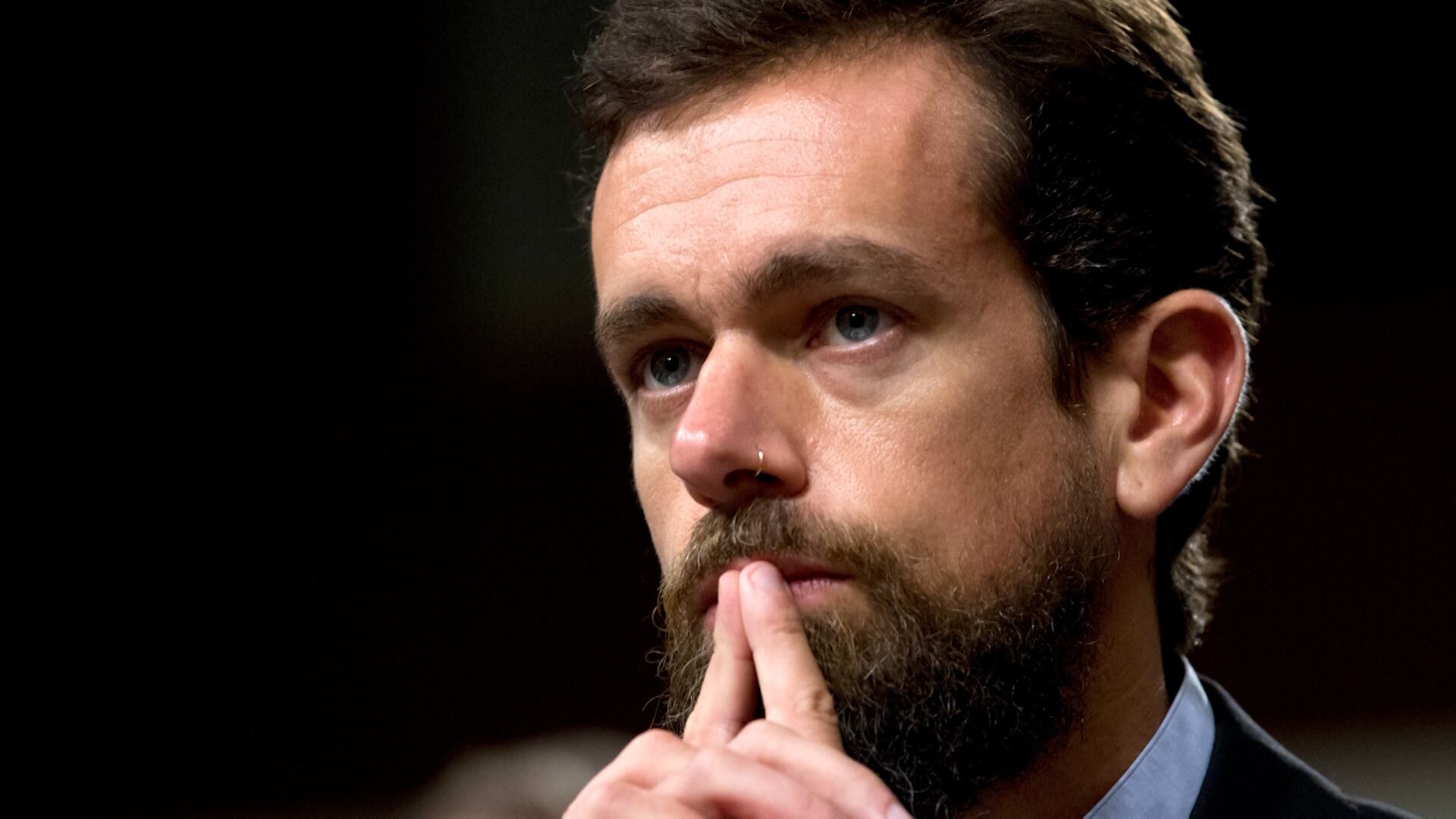
Jack Dorsey has officially stepped down as CEO of Twitter.
In a statement -- he says he is leaving because the company is ready to move on from its founders. Tom Morton, Global Chief Strategy Officer, R/GA joined Cheddar's Opening Bell to discuss the implications of the move.
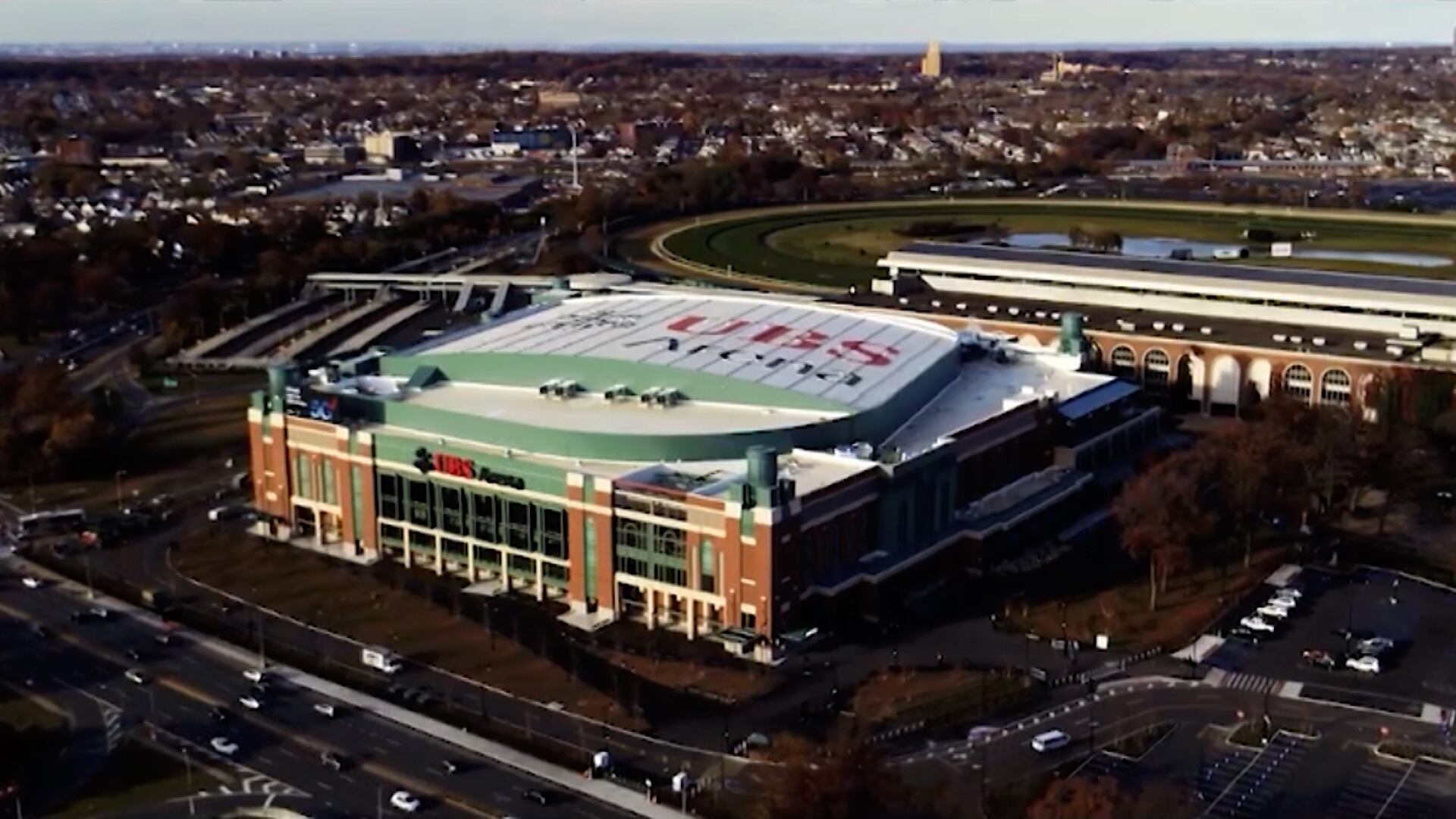
After a nearly 30-year saga, the New York Islanders have officially found a new home. The NHL team kicked off their very first game at the state of the art UBS arena earlier this month, bringing fans together in Belmont Park, NY.
The over $1 billion dollar project comes as the city attempts to return to normalcy. Tom Naratil, President of the Americas at UBS and Jon Ledecky Co-Owner of the New York Islanders joined Cheddar's Opening Bell to discuss the new beginning.
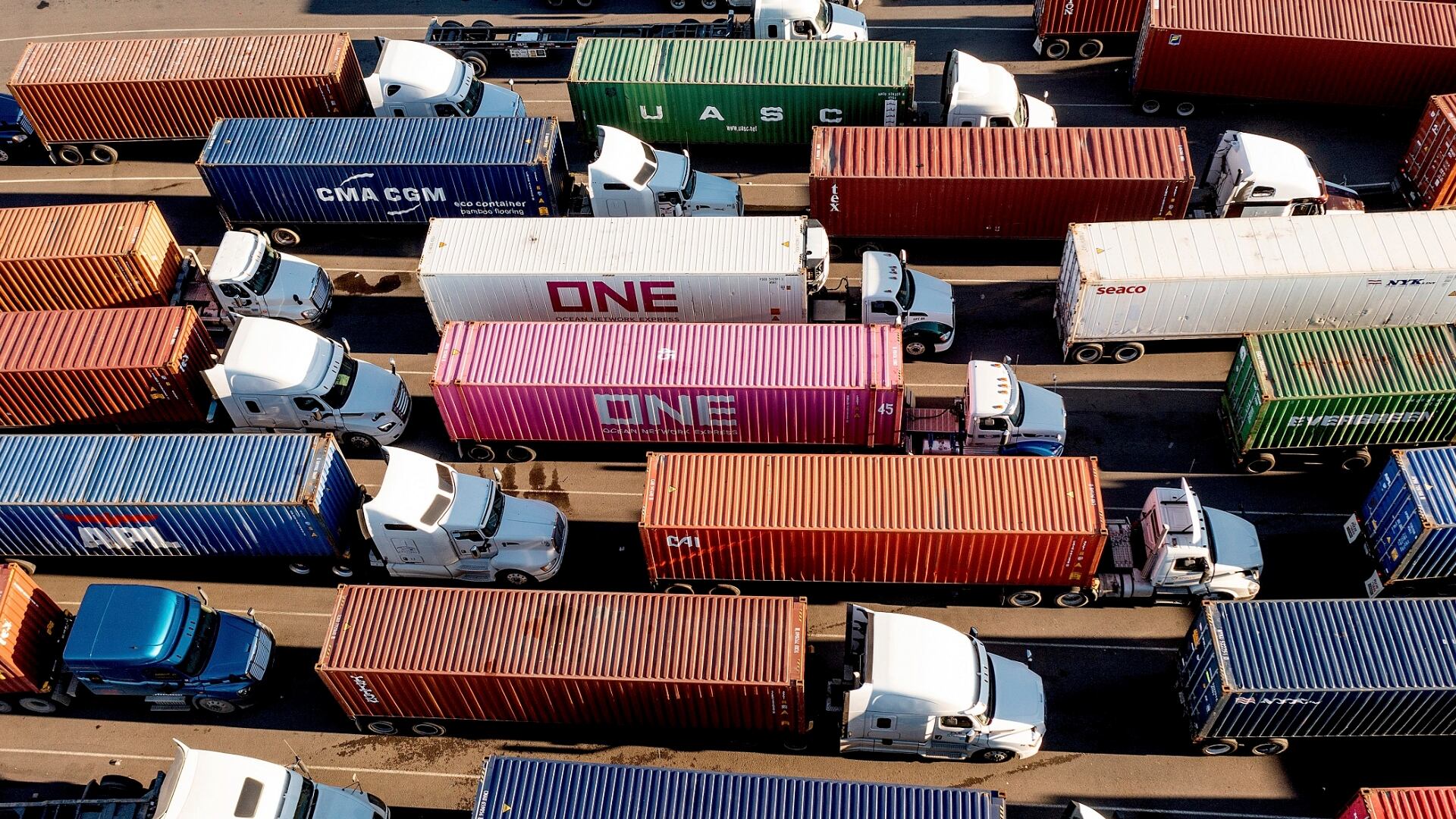
Walmart CEO Dough McMillon praised the Biden administration's efforts to ease supply chain constraints after the company saw a 26 percent jump in shipments over the last month. President Joe Biden had announced back in October that California ports would operate on a 24/7 basis.
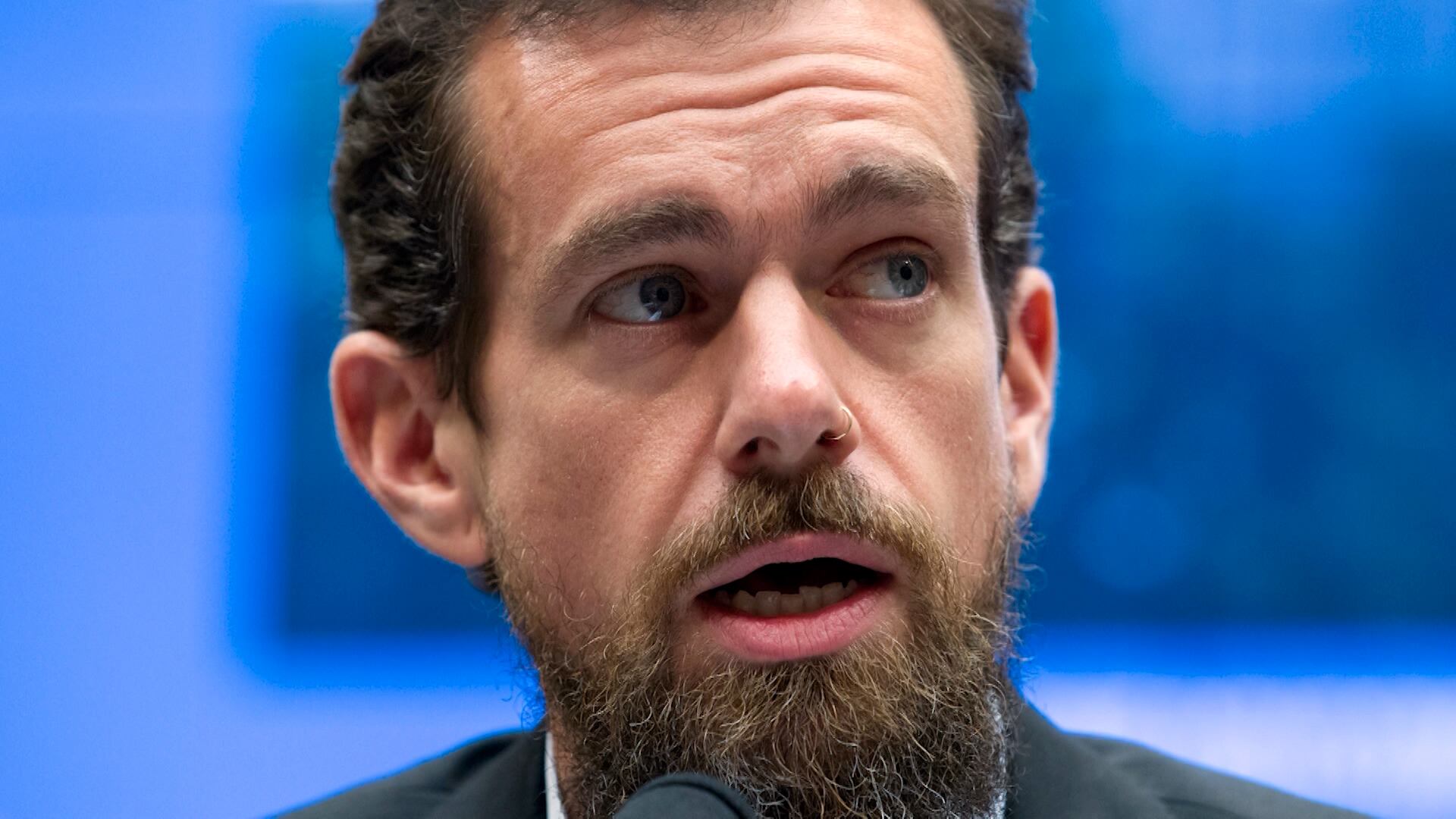
Mike Proulx, VP and research director at Forrester, joined Cheddar to talk about what Jack Dorsey's departure from Twitter as CEO means for the social media platform. He noted that while Dorsey had been the face of the company, "he's been a part-time CEO" since also taking on the leadership position at Square. Stepping down from leading Twitter allows his replacement Parag Agrawal, the former CTO, to be a dedicated leader of the company. However, Proulx noted that Agrawal faces headwinds on policy and political ramifications that will come with the job.