Elon Musk and his Neuralink company's attempt to begin testing brain chips in humans has been rejected by the FDA, according to a report by Reuters.
The request was submitted to the agency last year but according to Reuters, the FDA identified several problematic factors with the technology, including the chip's lithium battery and the potential for small wires to move to other areas of the brain.
"Neuralink doesn't appear to have the mindset and experience that's needed to get this to market anytime soon," Kip Ludwig, former program director for neural engineering at the U.S. National Institute of Health.
There was also a concern of whether or not the chip could be removed without inflicting damage to brain tissue.
What Exactly Is Neuralink?
Musk has claimed the technology could be life-changing for people suffering from paralysis, enabling them to communicate and walk, or it could help repair visual impairment in people.
The chip is supposed to process brain signals that are then transmitted to a device. While human trials for Neuralink have not commenced, there have been versions of the tech that reportedly had some success in animals. However, the company faced pushback and a probe from the U.S. Department of Agriculture after animal cruelty concerns were raised.
Last month Neuralink admitted that at least one monkey was euthanized because of a surgical complication.
Cheddar News' Need2Know is brought to you by Securitize, which helps unlock broader access to alternative investments in private businesses, funds, and other alternative assets. The private credit boom is here and the Hamilton Lane Senior Credit Opportunities Fund has tripled in assets under management in just six months from November 2022 through April this year. Visit Securitize.io to learn more.
Stocks opened lower after the opening bell and on track for its first decline in 10 days after a recent winning streak.
Tesla drivers in the U.S. were in more accidents than drivers of any other car brand this year, according to a study.
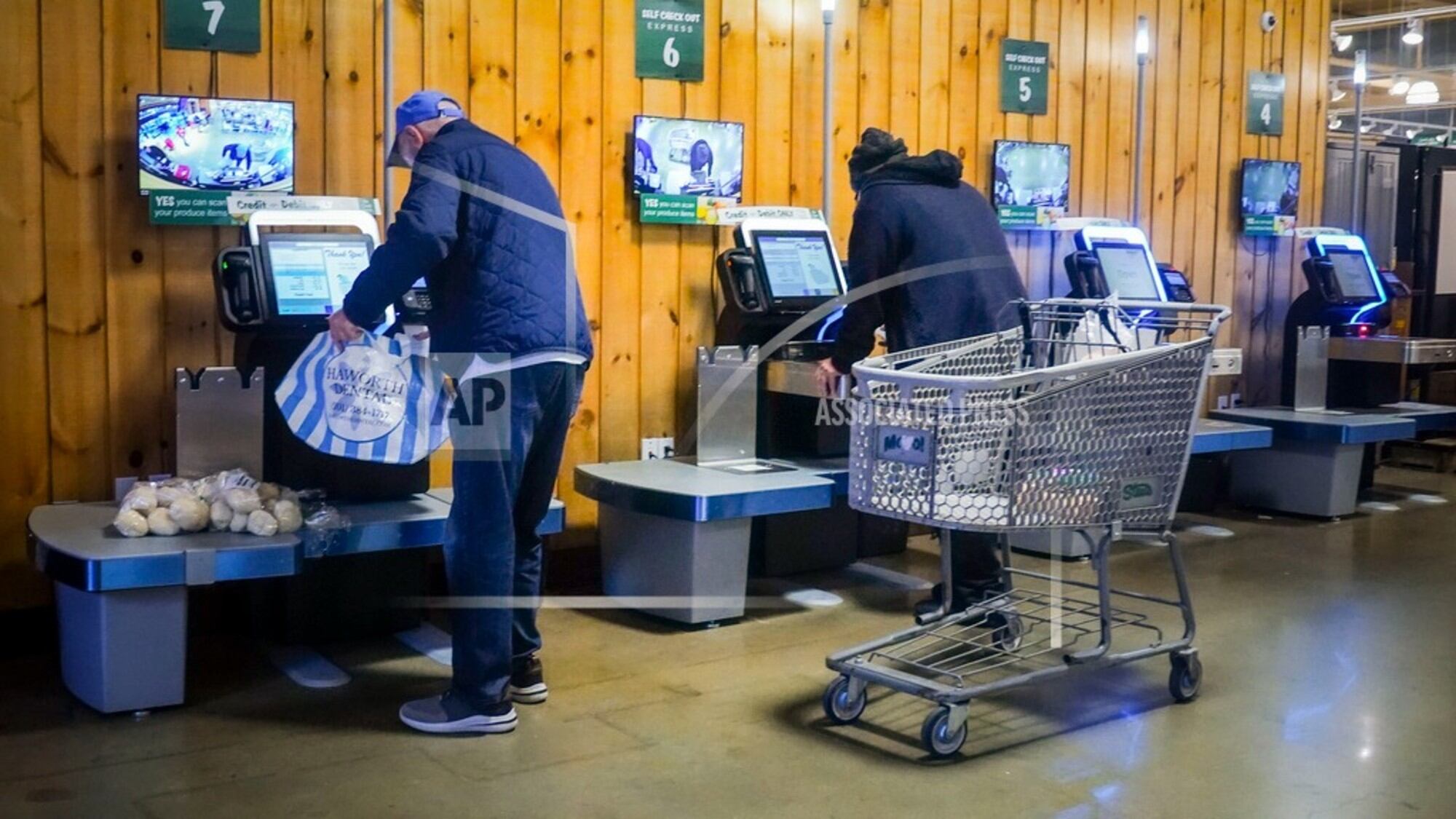
The promise of self-checkout was alluring: Customers could avoid long lines by scanning and bagging their own items, workers could be freed of doing those monotonous tasks themselves and retailers could save on labor costs.
Monsanto was ordered to pay $857 million to students and parent volunteers at a Washington school.
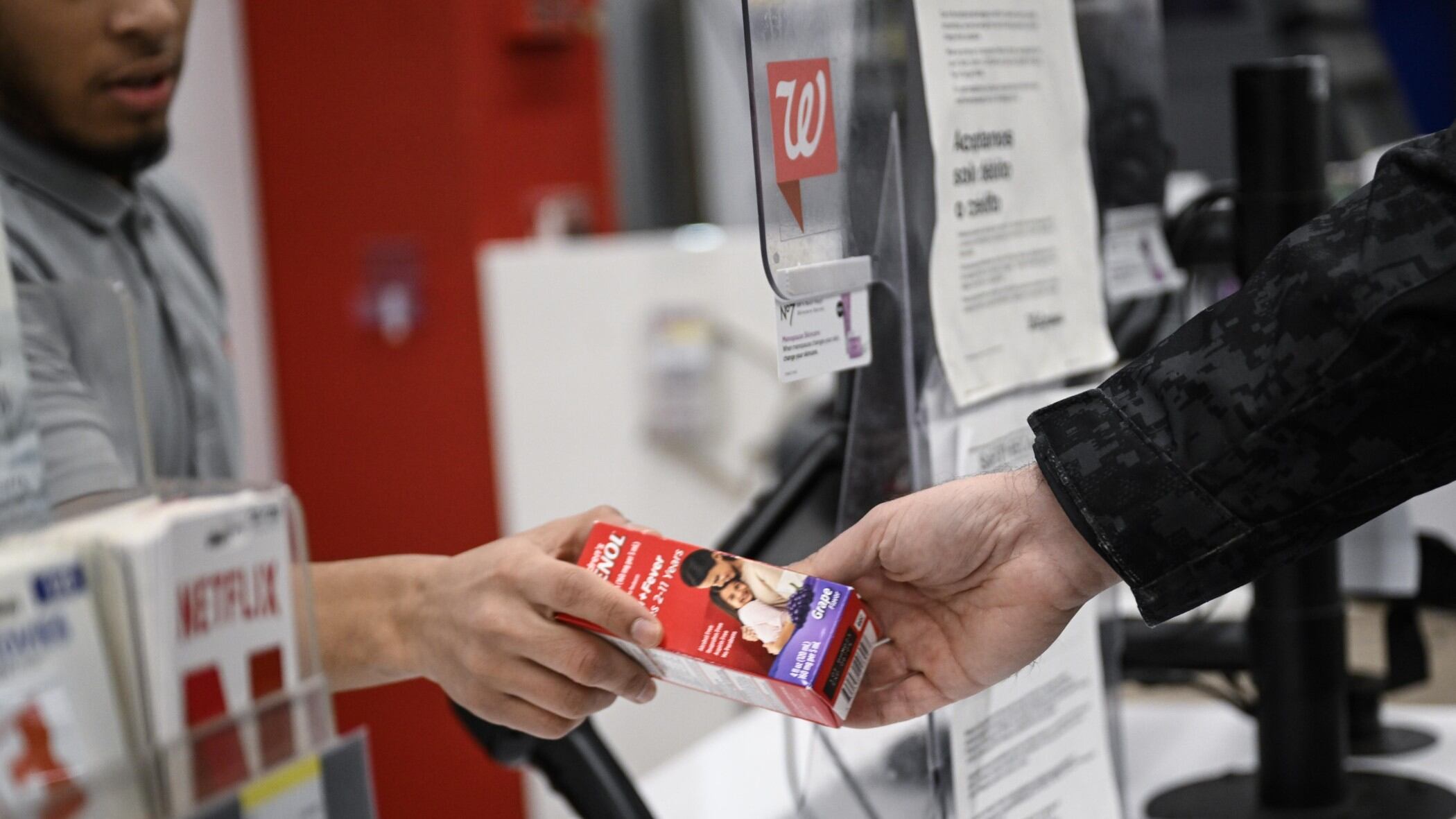
A federal judge has struck down hundreds of lawsuits filed against the makers of Tylenol and generic acetaminophen.
California regulators are preparing to vote on new rules for turning recycled wastewater into drinking water.
Hackers accessed Xfinity customers’ personal information by exploiting a vulnerability in software used by the company, the Comcast-owned telecommunications business announced this week.
Some folks want to leave the cold for a quick getaway. Bobby Laurie, travel expert, joined Cheddar News to provide tips on how and when to look for a winter escape.
Julia Pollak, chief economist with ZipRecruiter, joined Cheddar News to provide tips on navigating a job loss and explain the benefits of working with a recruiter to find new employment.