Election Will Test Cybersecurity Measures Put In Place After 2016
*By Conor White*
While Americans nationwide wait for midterm voting results on Tuesday, the F.B.I. and the department of Homeland Security will be watching for something less easily tallied ー signs of potential hacking or meddling.
Rob Marvin, associate features editor at PCMag, told Cheddar that the level of election interference in 2016 from "outside malicious actors" [was at a scale never seen before](https://www.pcmag.com/feature/364358/under-attack-how-election-hacking-threatens-the-midterms).
Marvin is skeptical that authorities in the U.S., and around the world, can successfully thwart more interference.
"Facebook ($FB) and the social media platforms have admitted they're kind of in an arms race with troll armies and nation states to find and delete fake accounts that are influencing elections," Marvin pointed out.
"And they can't do it fast enough," he added.
Marvin cautioned voters to be wary of any last-minute revelations about a candidate that surface on social media.
"You should be voting your mindset," he said.
While many see the 2018 midterm elections as a referendum on President Trump's first two years in office, it is also a litmus test on the country's ability to thwart hackers.
"We're going to see what we've learned," Marvin said.
For full interview [click here](https://cheddar.com/videos/hacking-the-midterms).
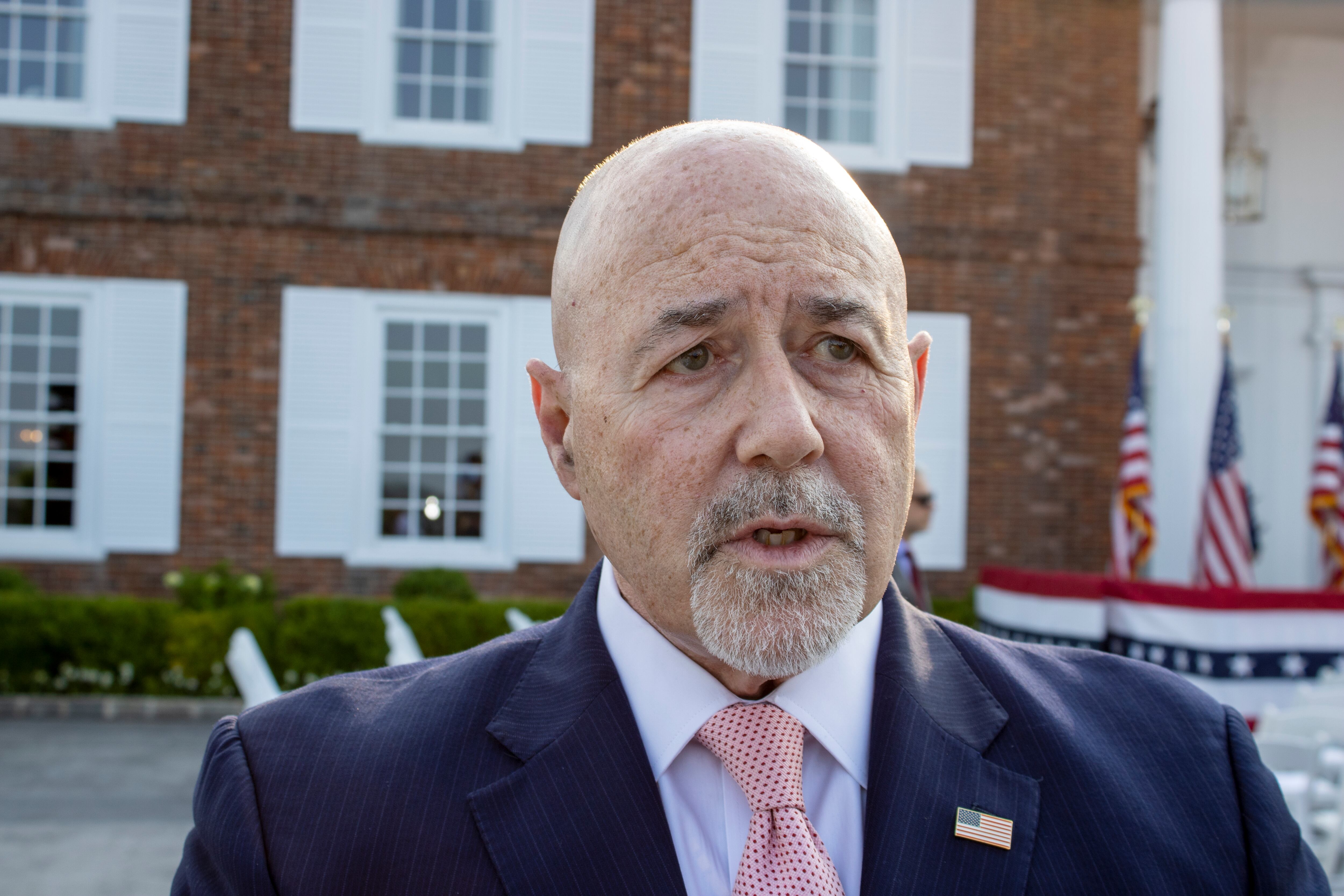
The lawyer for former NYPD commissioner Bernard Kerik turned over thousands of pages and documents to a special counsel as part of an investigation into Kerik's alleged involvement to overturn the results of the 2020 election.
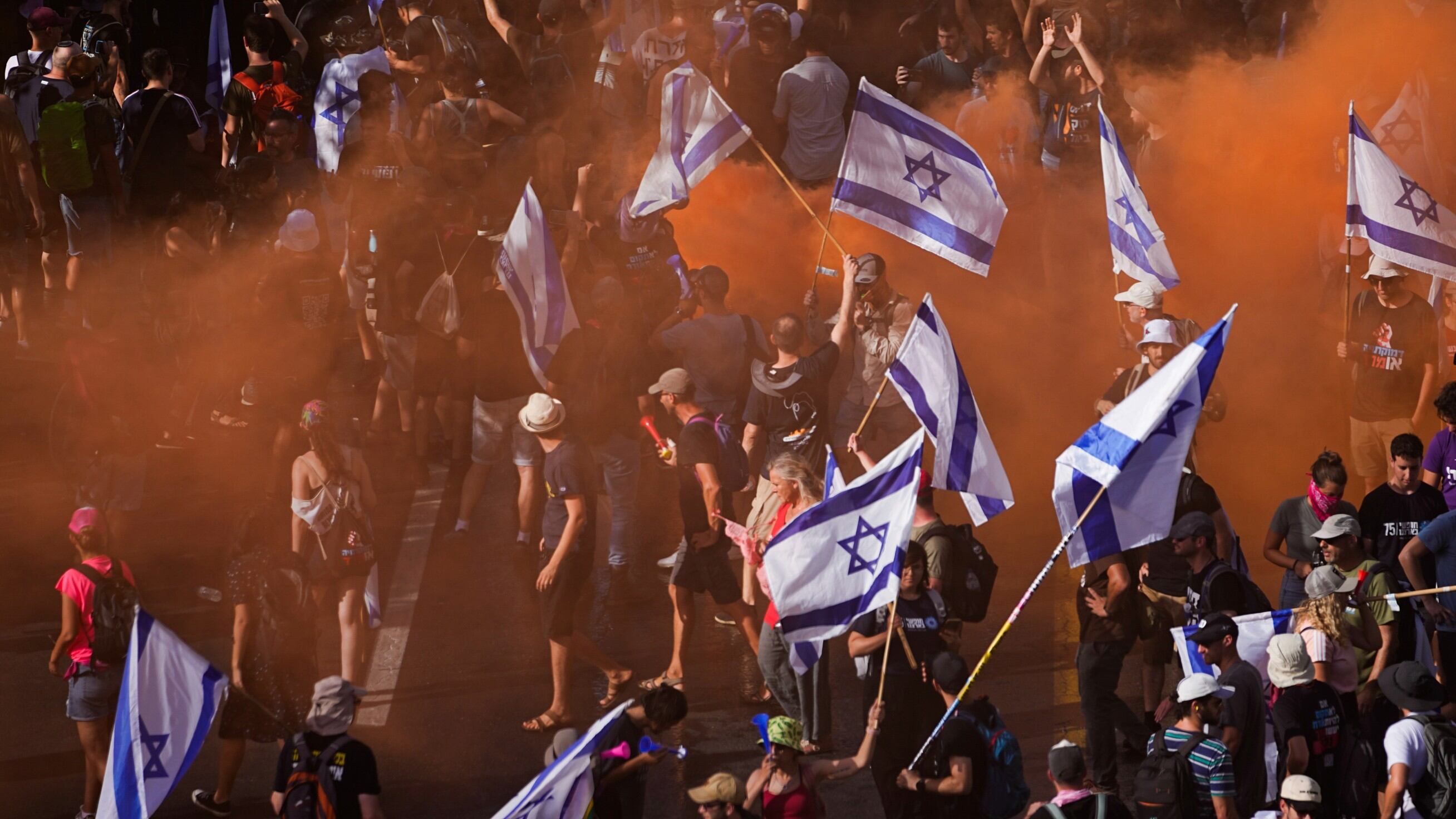
Israel’s parliament on Monday approved the first major law in Prime Minister Benjamin Netanyahu’s contentious plan to overhaul the country’s justice system, triggering a new burst of mass protests and drawing accusations that he was pushing the country toward authoritarian rule.
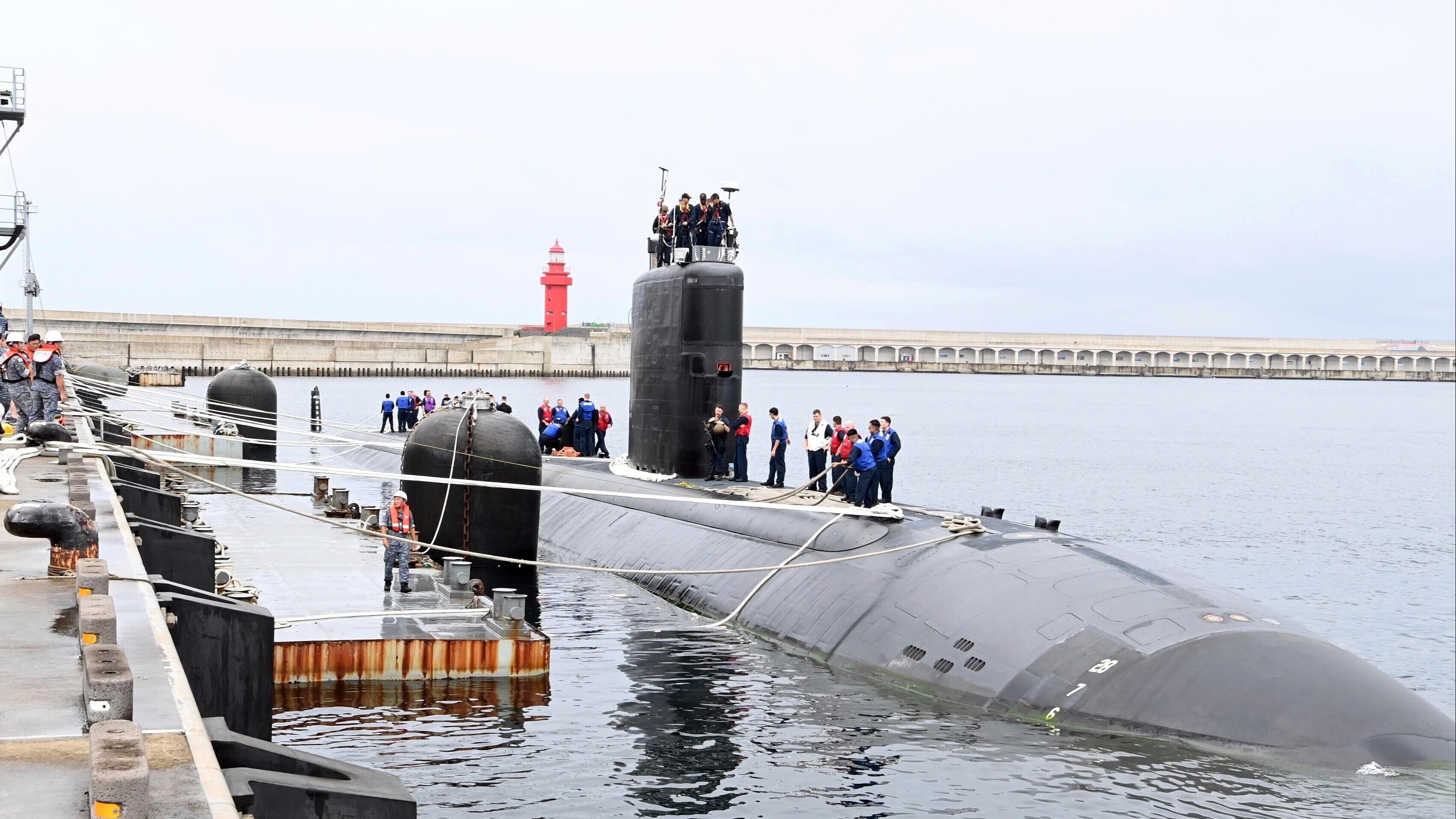
North Korea fired two short-range ballistic missiles into its eastern sea, South Korea’s military said Tuesday, adding to a recent streak in weapons testing that is apparently in protest of the U.S. sending major naval assets to South Korea in a show of force.
Now the federal Mine Safety and Health Administration has proposed a rule that would cut the current limit for silica exposure by half — a major victory for safety advocates. But there is skepticism and concern about the government following through after years of broken promises and delays.
A state trooper's account of officers denying migrants water in 100-degree Fahrenheit (37.7 Celsius) temperatures and razor wire leaving asylum-seekers bloodied has prompted renewed criticism.