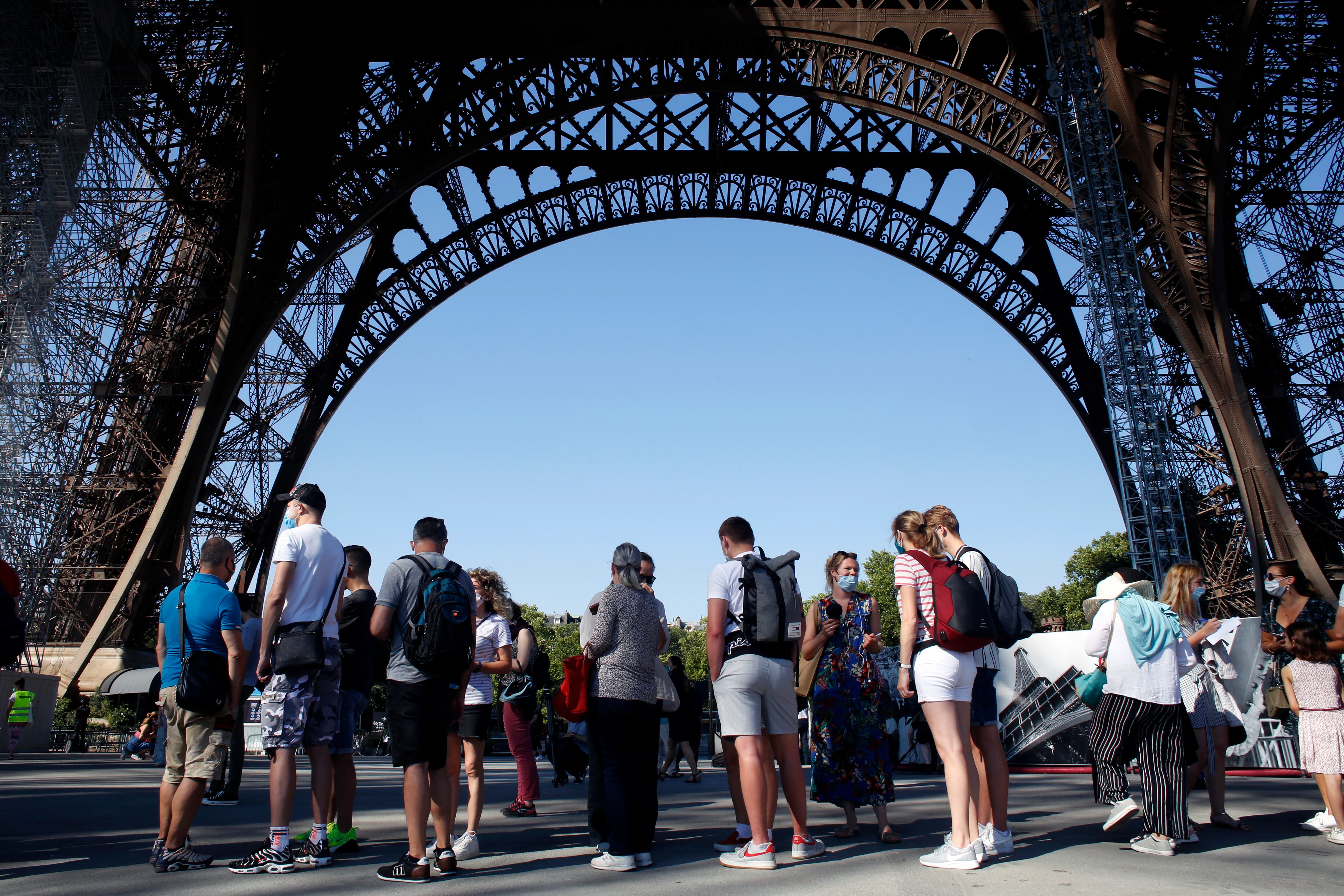
People queue up prior to visit the Eiffel Tower, in Paris, Thursday, June 25, 2020. The Eiffel Tower reopens after the coronavirus pandemic led to the iconic Paris landmark's longest closure since World War II. (AP Photo/Thibault Camus)
By Masha Macpherson
Marking another milestone in France's recovery from coronavirus lockdown, the Eiffel Tower reopened to visitors Thursday after its longest-ever closure in peace time: 104 days.
Tourists who are trickling back to Paris were delighted to find the landmark open when some other attractions in the French capital remain closed. The Louvre Museum isn't reopening until July 6.
"It's very special, very special because it's only the Paris people," said Annelies Bouwhuis, a 43-year-old visitor from the Netherlands. "We've seen a lot Paris people enjoying their city, enjoying their parks without all the tourists."
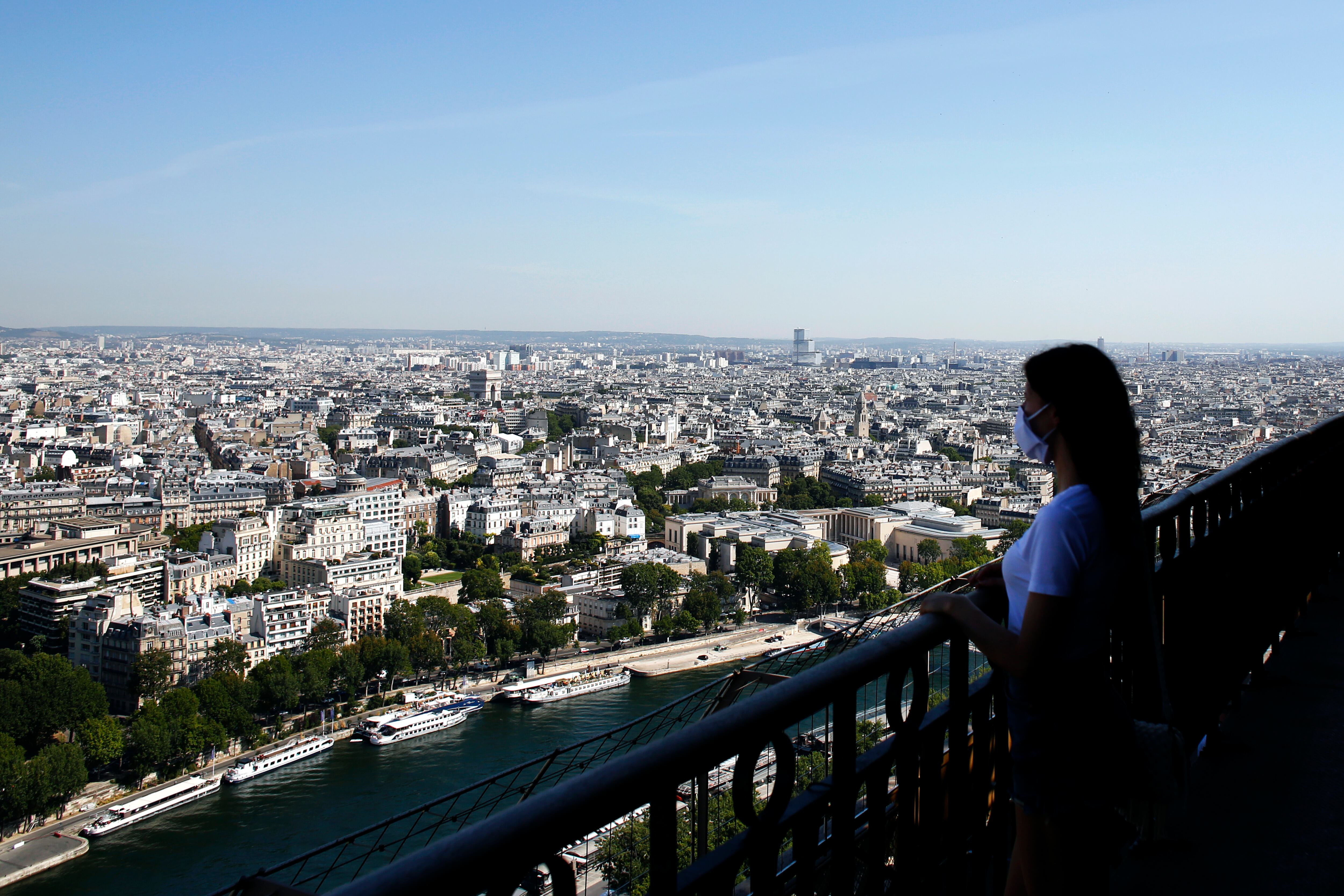
A visitor looks at the view from the Eiffel Tower, in Paris, Thursday, June 25, 2020. The Eiffel Tower reopens after the coronavirus pandemic led to the iconic Paris landmark's longest closure since World War II. (AP Photo/Thibault Camus)
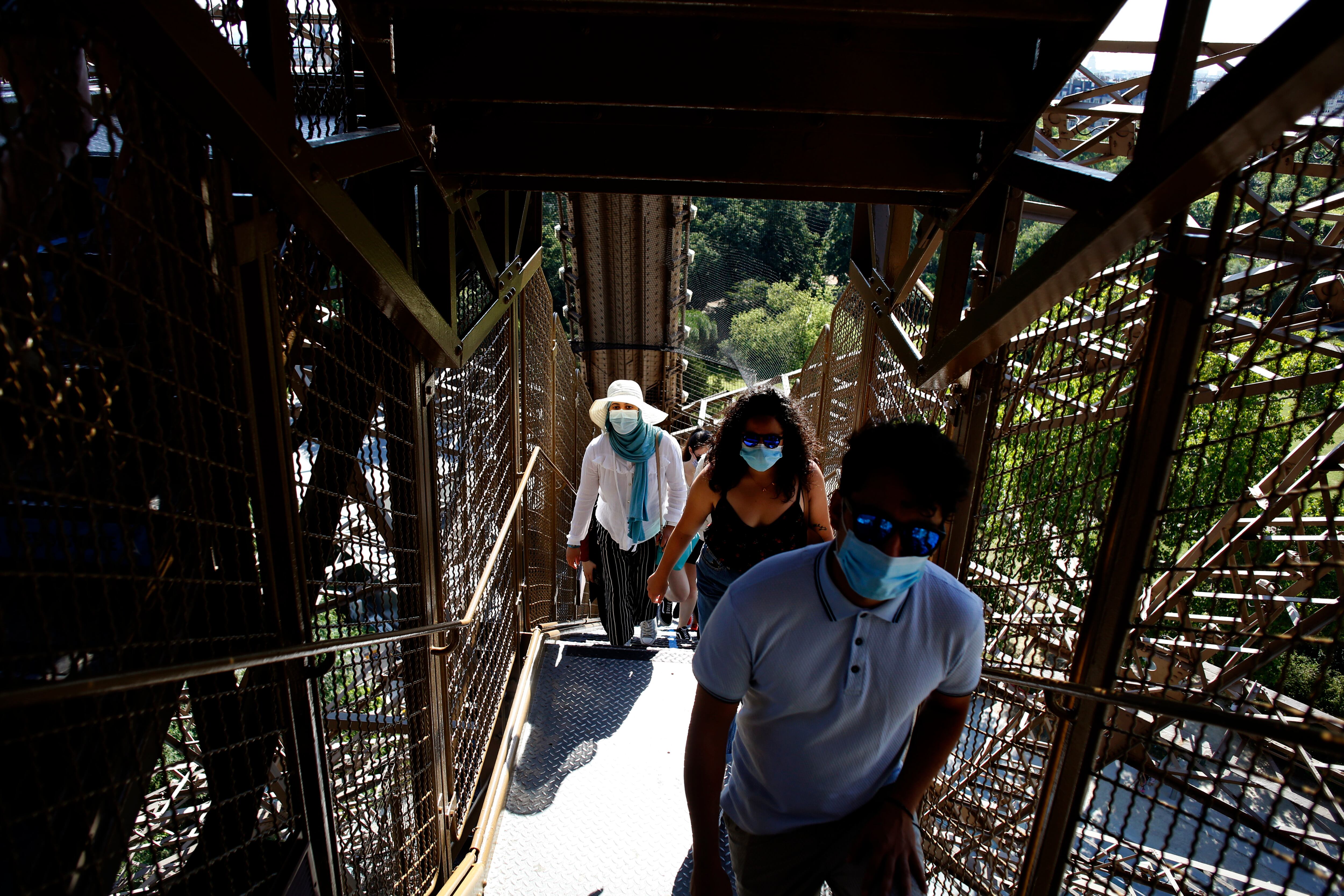
Lifts that usually whisk visitors up the 324-meter (1,063-foot) tall wrought-iron Eiffel Tower remain closed, so for now people have to take the stairs.
Of the tower's three decks, only the first two reopened. Those who climbed the 674 steps Thursday were rewarded with far-away views and a light breeze in scorching summer weather. Masks are obligatory for all visitors ages 11 and up.
"I booked the first slot because afterward, it will be very hot," said Sabine Peaufils, a 57-year-old Parisian. "This is a real pleasure."
People climb stairs as they visit the Eiffel Tower, in Paris, Thursday, June 25, 2020. The Eiffel Tower reopens after the coronavirus pandemic led to the iconic Paris landmark's longest closure since World War II. (AP Photo/Thibault Camus)
The tower lost 27 million euros ($30 million) from the lockdown that started in March, according to its director general, Patrick Branco Ruivo.
France and other European countries with big tourism sectors are starting to coax back visitors, with mixed results.
The Louvre is bracing for a precipitous drop in visitor numbers when it reopens.
Visitor numbers are down at the Versailles Palace since the former royal residence west of Paris reopened June 6.
The palace has capped visits at a maximum of 4,500 people per day, spread out through the day. That is way down from the 20,000 people per day the palace previously got in the busy summer season.
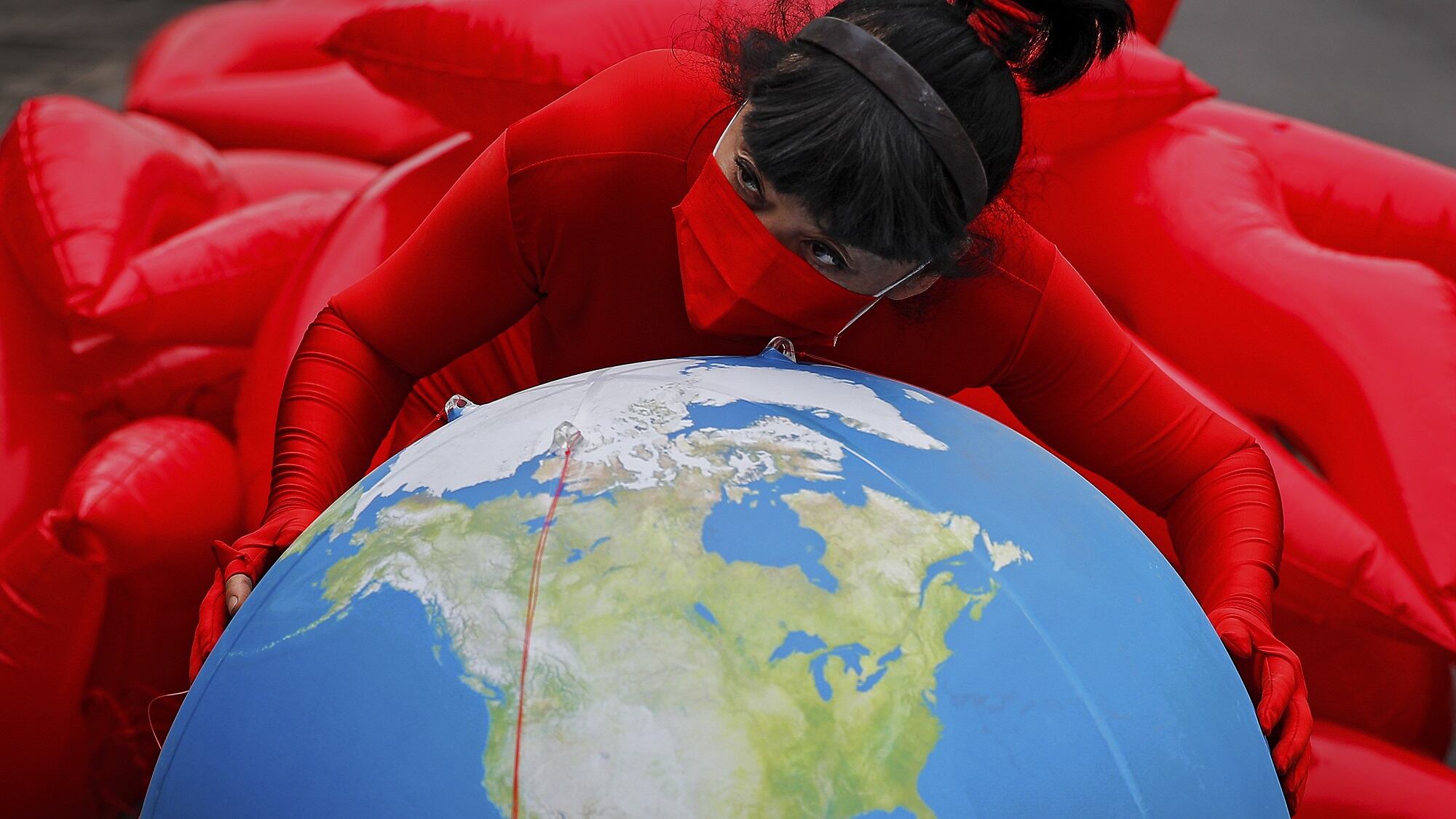
The leaders of Russia and China have put aside their raw-worded disputes with U.S. President Joe Biden long enough to pledge international cooperation on cutting climate-wrecking coal and petroleum emissions.
The number of Americans applying for unemployment aid fell last week to 547,000, a new low since the pandemic struck and a further encouraging sign that layoffs are slowing on the strength of an improving job market.
Jill and Carlo look at the slowing momentum with the vaccine rollout and what can be done about it. It's also Earth Day -- and there are reasons to be hopeful about the climate, believe it or not. Plus, the post-pandemic denim debate: is baggy really back?
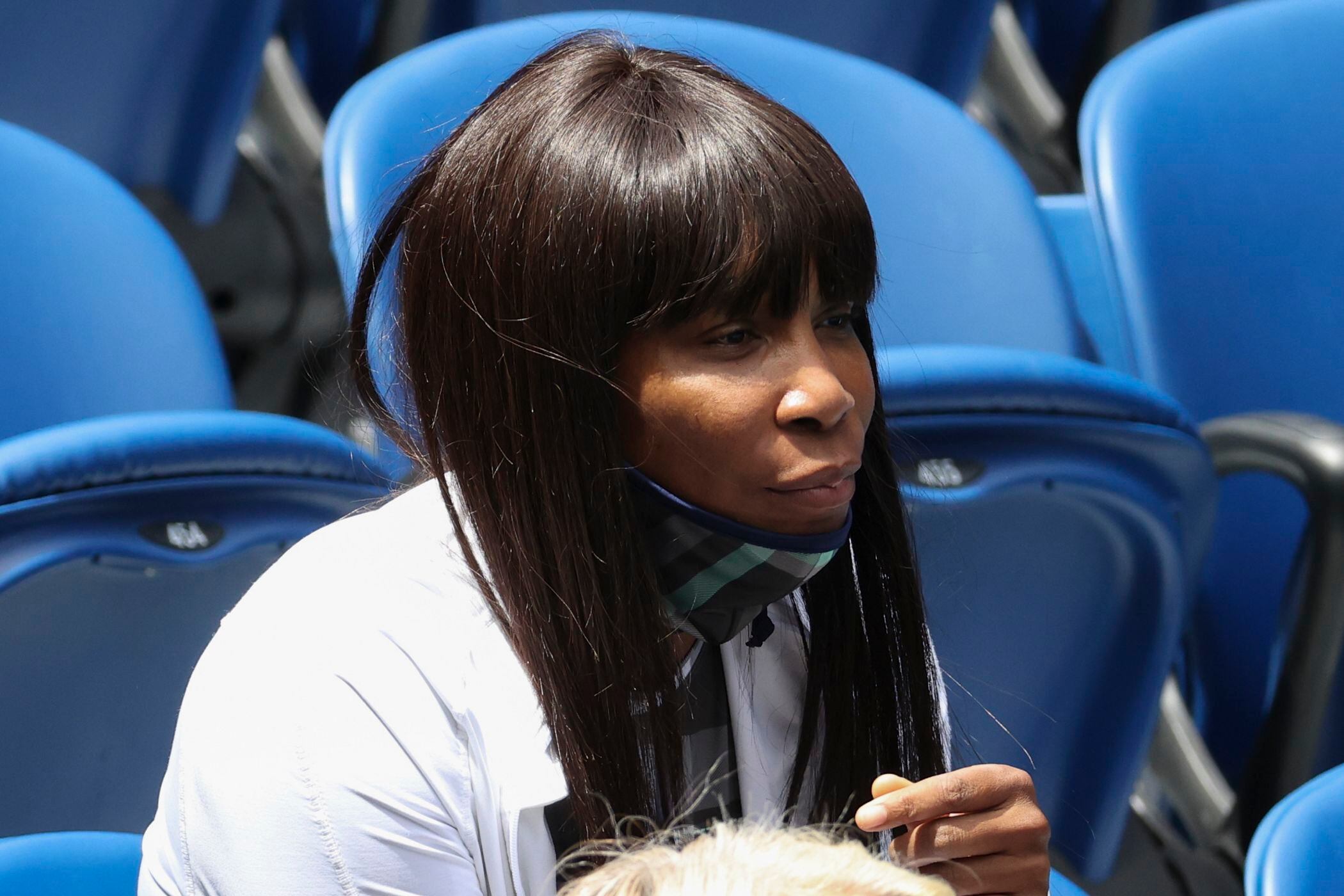
Along with other celebrities, Venus Williams is partnering with Delos' International WELL Building Institute in order to safely welcome back fans and attendees to live events.
With an increased global appetite for rare, endangered species of cacti and succulents, many fear that one day, we won’t see many unique cacti in the wild anymore.
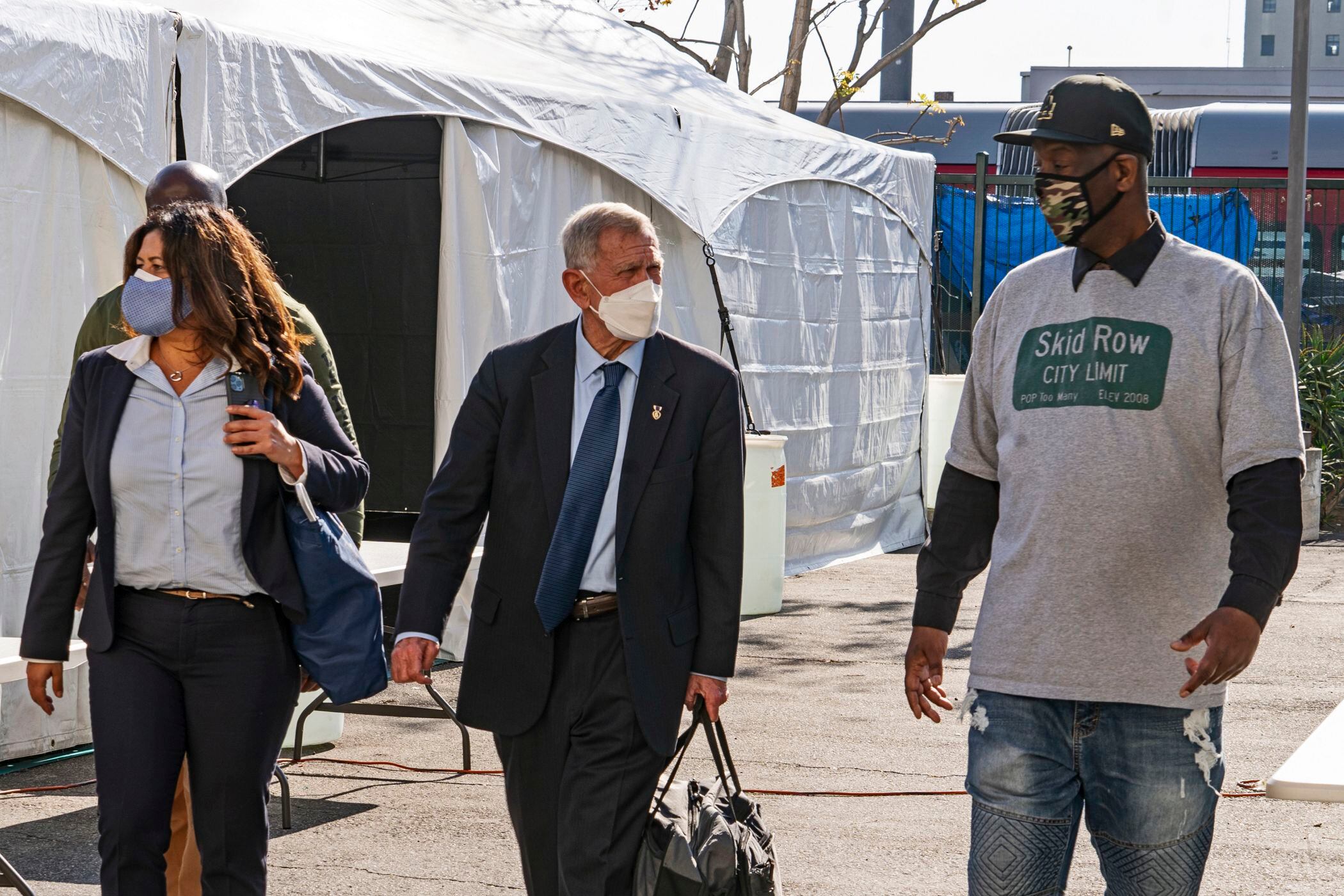
A judge overseeing a sweeping lawsuit about homelessness in Los Angeles has ordered the city and county to find shelter for all unhoused residents of Skid Row within 180 days.
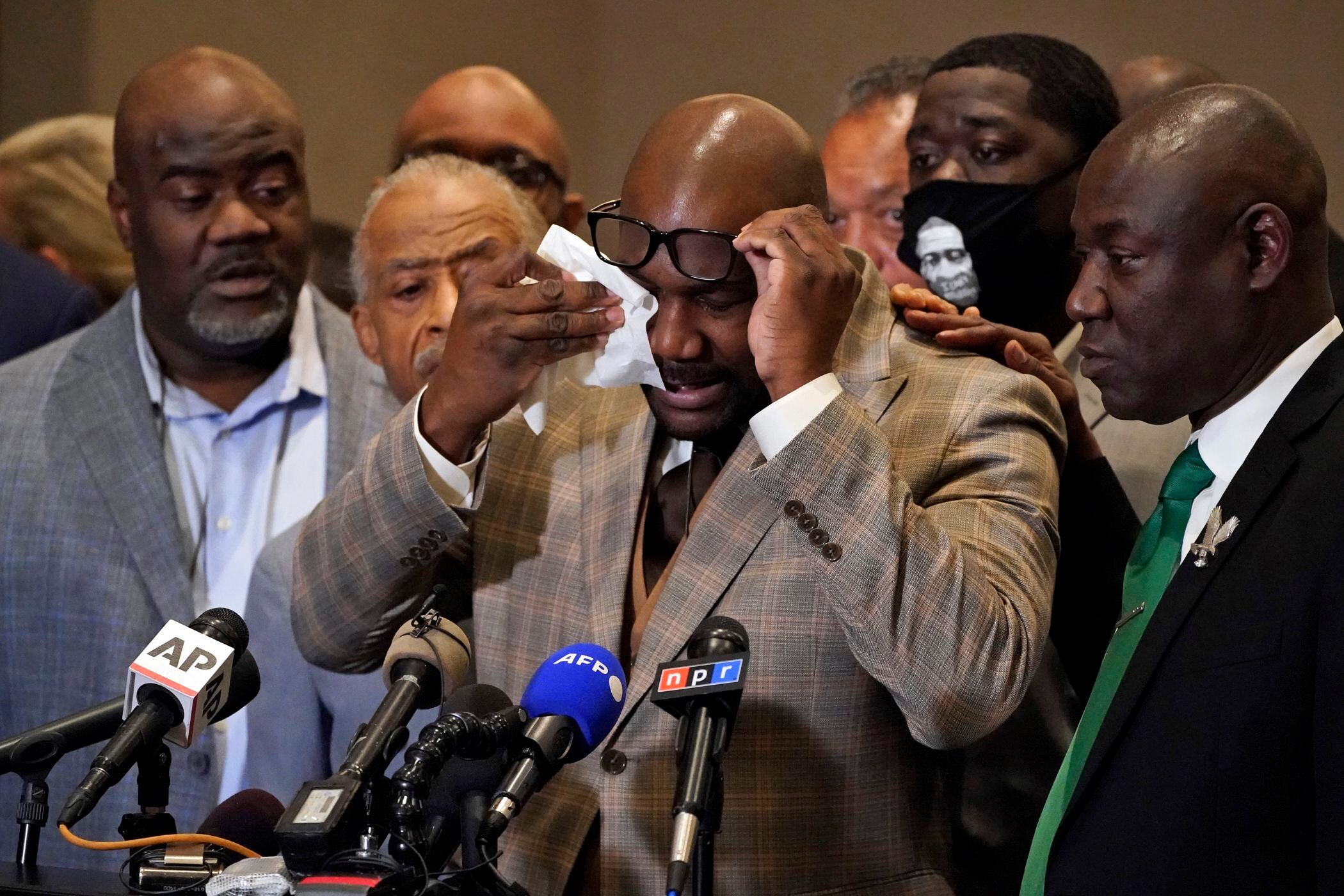
Jill and Carlo discuss the verdict in the Derek Chauvin trial and the reaction around the country. Also, a bad day for vaccinations, the latest stuff from Apple, Netflix hits a wall, and more.