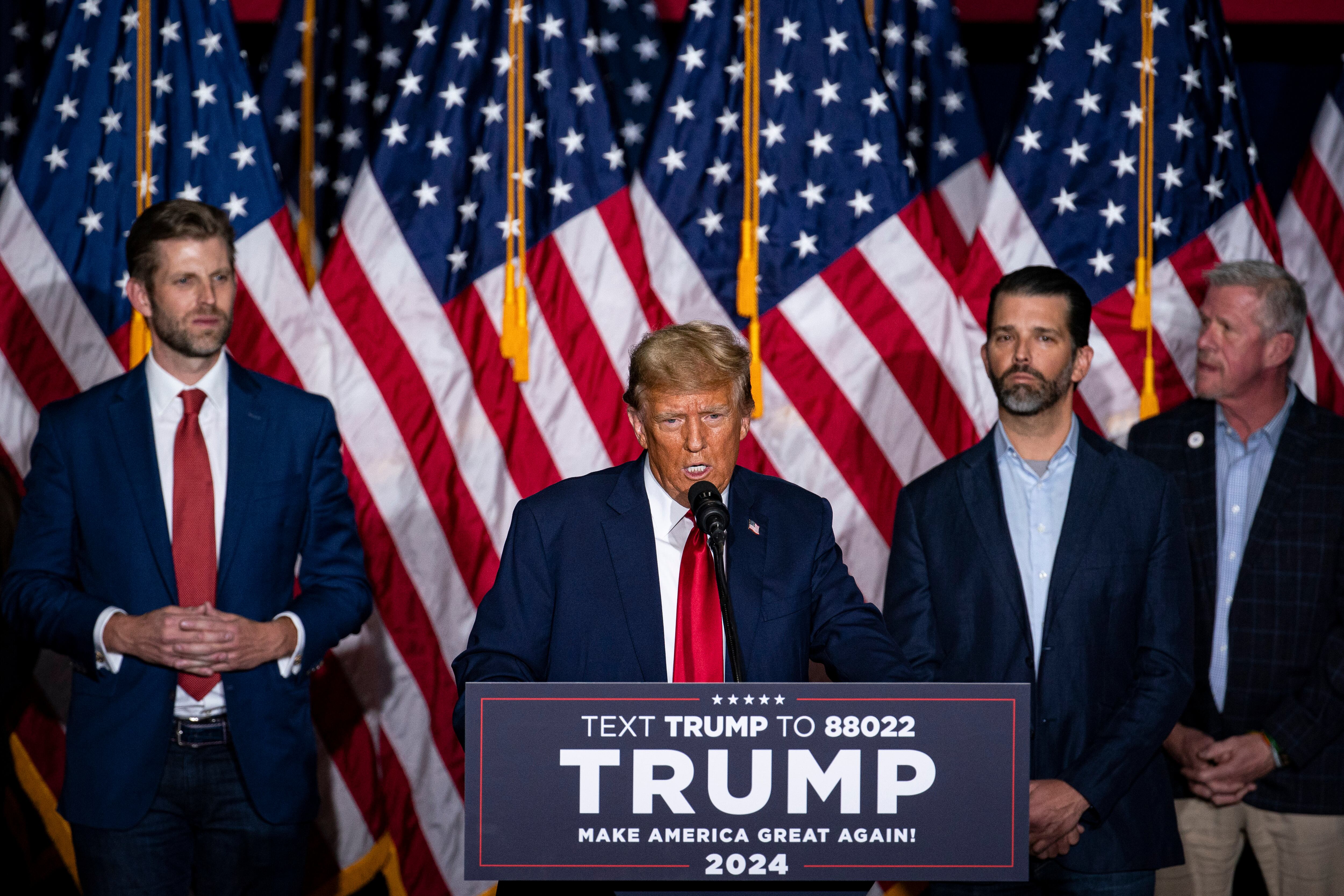
Four months after President Trump announced he would take a “very, very strong” stance against the vaping epidemic, the administration has announced a ban on most flavored e-cigarettes. However, a policy analyst from libertarian think tank Reason Foundation tells Cheddar an education push would be an important component of this effort to teach young people about the dangers of vaping.
The new ban will stop the sale of fruit, candy, mint, and dessert flavored vapes, but menthol and tobacco-flavored e-cigarettes will remain on the market.
Only vaping cartridges are targeted by the ban, as they are believed to be more popular among young people. Tank-based vaping systems will not be affected.
Jacob Rich, a policy analyst from Reason Foundation, which advocates for individual liberty and free markets, said the ban is “not quite effective.”
“The industry is against it, the people who want to prohibit nicotine products in general, are against it,” he told Cheddar. “It’s basically just a middle move that’s politically palatable that the Trump administration thinks it can take.”
In anticipation of yesterday’s announcement, Juul already announced it would not sell flavored cartridges.
With potential governmental restrictions on the horizon, vape shops around the country launched a “We Vape, We Vote” social media campaign and ran a television ad directed at the president to not implement a vaping ban.
Although the administration did go through with a ban, albeit potentially weaker than anti-vaping groups had hoped for, Rich said the administration should focus on education because the dangers of vaping have not been clearly delineated to young people. He noted a 2017 Truth Initiative study that found 63 percent of teens surveyed did not know Juul products have nicotine.
“When people understand products are more dangerous, they tend not to use them,” he said. “With Juul being so new to the market, being introduced around 2016, it seems like there’s an information problem and teens need to be educated about the dangers.”
“Teens, in general, seem to acquire the vices they desire,” he said, recalling how education about the dangers of smoking helped decrease use. The Centers for Disease Control called school programs designed to prevent tobacco use an “effective means of preventing tobacco use among youth,” during the 1990s.