New York City is finally allowing shared e-scooters on its streets this spring. In March, the city is kicking off the two-year pilot program that Lime hopes to be a part of.
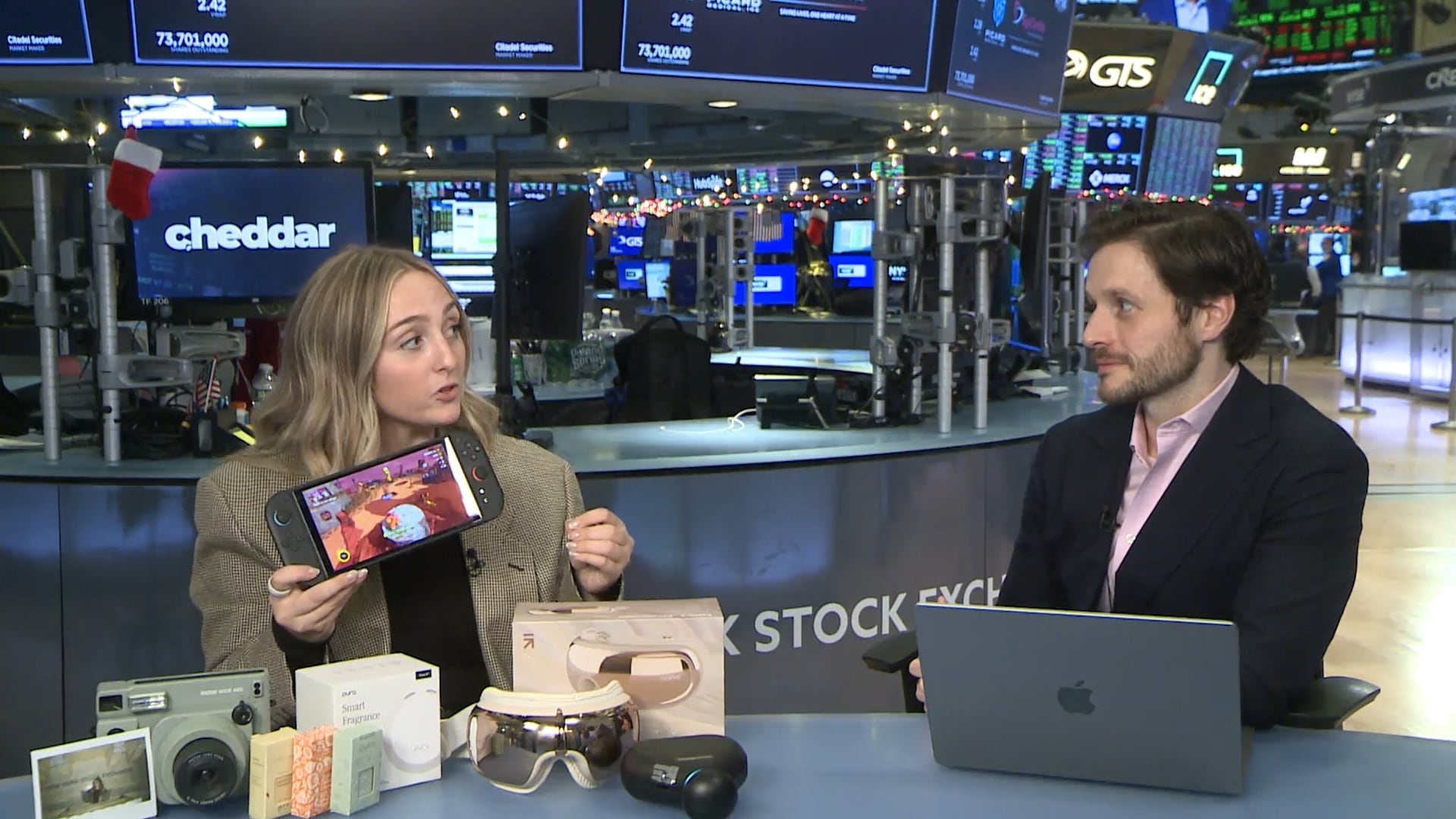
"We certainly hope to be selected by the city government and earn the responsibility of serving the city," Adam Kovacevich, head of North America and Asia Pacific government relations at Lime, told Cheddar. "One of the things we believe really strongly is that experience counts in this space."
Lime, the world's largest e-scooter rental company, is operational in some of the biggest cities in the world like Seoul, Paris, and Los Angeles.
"We're in all these huge markets, and it's given us the experience to learn how to serve cities well, how to manage things like parking," Kovacevich said. "Certainly we hope that that will make a difference when it comes to New York's selection."
The hold-up was due, in part, to safety concerns, as multiple U.S. cities have reported numerous injuries resulting from accidents involving the vehicles.
New York Governor Andrew Cuomo previously vetoed a bill in 2019 that would have legalized e-scooters, arguing the legislation's verbiage didn't go far enough to protect riders.
Kovacevich said Lime's newest mode of micromobility, a fourth-generation scooter set to be rolled out later this year, has safety as its top priority.

"This will be the safest, most advanced scooter we've ever offered — that anyone has ever offered," Kovacevich said.
Despite an unpredictable 2020, Lime turned a quarterly profit for the first time in the startup's four-year history. In May, it also scored an investment from Uber as part of a $170 million funding round.
"COVID has actually forced a lot of people, a lot of cities, to rethink their transportation options," Kovacevich said. "We've seen people gravitate to scooters, in particular, as a socially-distant, open-air, safe form of transportation."
Beyond e-scooters and e-bikes, Lime is looking into other modes of transportation to suit every need a city-dweller could have.
"It's something we're exploring," Kovacevich said. "We see the future, and I think one of the things we've seen is cities during the pandemic have devoted more street space to 'slow streets' — to bikes — and that's the future."