Fantasy sports platform DraftKings is betting on sports gambling, CEO Jason Robins told Cheddar at SXSW.
It’s a reversal for the company, which has long held it’s a game of skill, and not a game of chance.
But the move all hinges on a pending legal battle in DC.
“The Supreme Court is considering New Jersey’s case to allow for sports betting in their state, which, depending on how they rule, could effectively end up removing the federal ban on legalizing and regulating sports wagering,” Robins said.
States across the U.S., with the exception of Nevada, have banned sports gambling for 25 years.
But in 2012, former New Jersey’s Governor, Republican Chris Christie, signed a bill into law that effectively legalized sports betting. That set off a series of legal challenges from sports leagues, including the NCAA, the NFL, and the NBA. The case landed in front of the Supreme Court in December 2017, with a decision expected in a few months.
In anticipation, DraftKings has already started building out a product that would facilitate sports betting and is looking into partnerships with licensed brick-and-mortar casinos and content integration.
There is one thing that’s not on the company’s immediate horizon, though: an IPO.
“We eventually want to go public, but I don’t think right now is the right time for us. Probably in the next couple years,” Robins said. “There’s still a lot of work we need to do to be prepared to be a public company.”
Last week reports emerged that rival FanDuel, with whom the company unsuccessfully tried to merge in 2016, was looking to go public through a so-called reverse merger.
SES Holdings, a leader in production of high-performance hybrid lithium-metal rechargeable batteries for electric vehicles, has arrived on Wall Street. The company went public via SPAC deal and now trades on the New York Stock Exchange under the ticker 'SES.' Qichao Hu, founder & CEO, joined Cheddar Movers to discuss the debut as well as what lies ahead for the company.
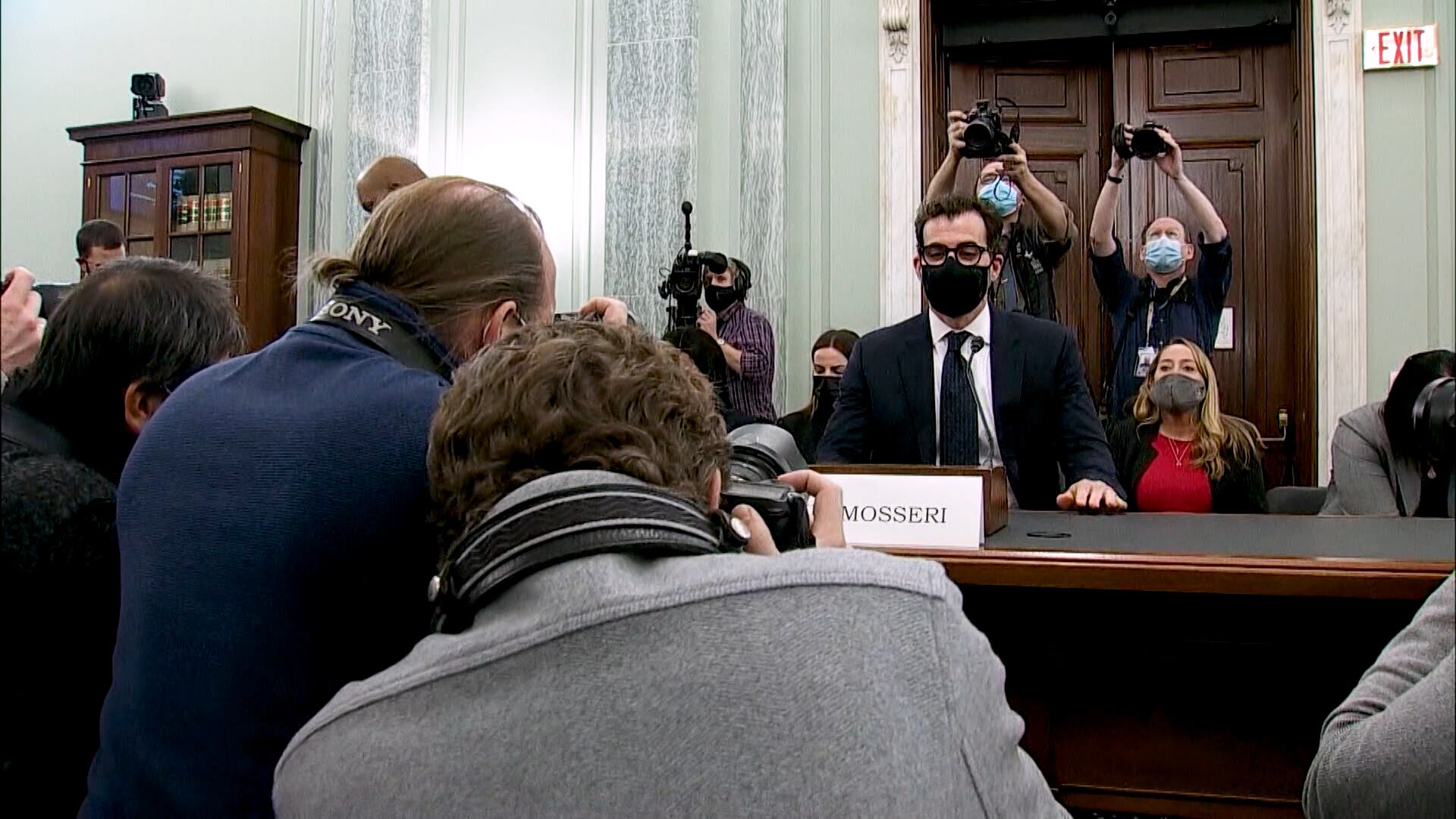
More than 70 religious leaders have come together to sign a letter to urge Mark Zuckerberg and Meta to halt plans for Instagram for Kids. The signers claim that this new platform, currently on pause, could cause spiritual harm to young people. Lucy Kidwell, the screen-free week coordinator for the nonprofit that organized the letter, Fairplay, joined Cheddar News to discuss the issue on Safer Internet Day. "It's not necessarily the content, even, that's on these platforms, but more the structure of the app itself," she said. "It's all focused on comparison, promoting yourself, putting forward this image of perfection and this beautiful life that's really harmful to kids who can't really separate what's real and what's fake and who may not be emotionally mature enough to handle something so complicated."
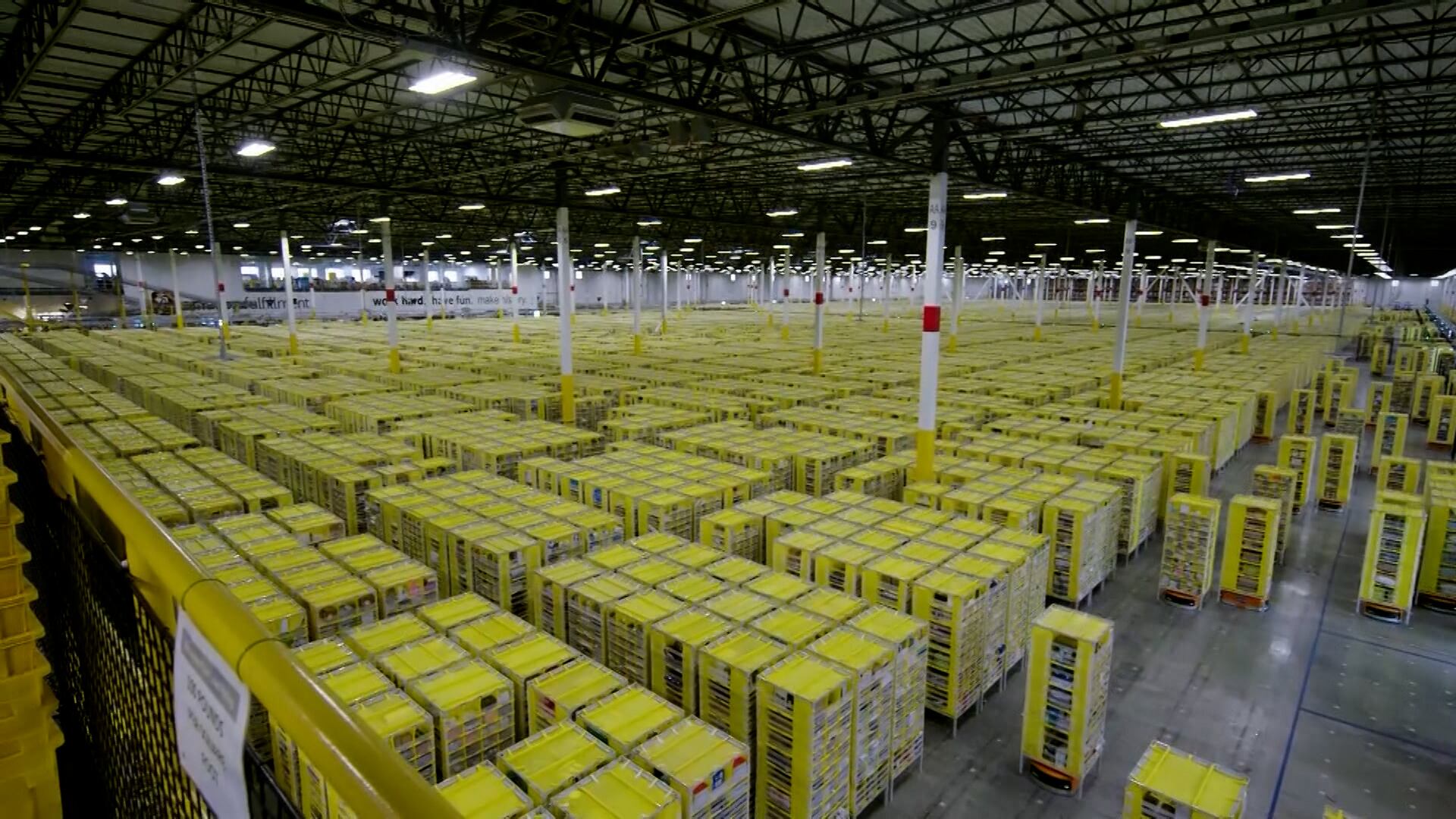
Amazon warehouse workers in Alabama are set to begin voting to unionize for a second time after workers at the facility in the town of Bessemer overwhelmingly voted against forming a union during an election early last year; but in November, the National Labor Relations Board overturned the vote, upholding a union challenge of the results which argued that Amazon undermined the conditions for a fair election. Another round of ballots will now be mailed out to works at the warehouse for a so-called re-run election. Director of Labor and Employment Studies at San Francisco State University John Logan and National Field Director for Our Revolution Mike Oles joined Cheddar News' Closing Bell to discuss.
February 8 is Safer Internet Day, and Google has partnered with online education organization Khan Academy to release a courseload focused on internet safety. The partnership includes a $5 million donation towards content development from Google, with modules to be made available in various languages throughout 2022. Founder of Khan Academy, Sal Khan, joined Cheddar News to discuss the partnership. "We need to get to a world where everyone of all ages has a chance to learn and practice and feel good that they can navigate the internet in a safe way,” said Khan.
Big tech companies such as Amazon and Google are garnering criticism for failing at their proposed climate pledges, most of which rely on carbon offsets — a potential loophole where companies pay others to address their omissions. Gilles Dufrasne, policy officer at Carbon Market Watch, joined Cheddar News to explain the organization's negative evaluation. "The objective here is not to bash companies and say everybody is doing the wrong thing," he said. "The objective is to also provide lessons, and there are some companies that are doing the right thing."