Fantasy sports platform DraftKings is betting on sports gambling, CEO Jason Robins told Cheddar at SXSW.
It’s a reversal for the company, which has long held it’s a game of skill, and not a game of chance.
But the move all hinges on a pending legal battle in DC.
“The Supreme Court is considering New Jersey’s case to allow for sports betting in their state, which, depending on how they rule, could effectively end up removing the federal ban on legalizing and regulating sports wagering,” Robins said.
States across the U.S., with the exception of Nevada, have banned sports gambling for 25 years.
But in 2012, former New Jersey’s Governor, Republican Chris Christie, signed a bill into law that effectively legalized sports betting. That set off a series of legal challenges from sports leagues, including the NCAA, the NFL, and the NBA. The case landed in front of the Supreme Court in December 2017, with a decision expected in a few months.
In anticipation, DraftKings has already started building out a product that would facilitate sports betting and is looking into partnerships with licensed brick-and-mortar casinos and content integration.
There is one thing that’s not on the company’s immediate horizon, though: an IPO.
“We eventually want to go public, but I don’t think right now is the right time for us. Probably in the next couple years,” Robins said. “There’s still a lot of work we need to do to be prepared to be a public company.”
Last week reports emerged that rival FanDuel, with whom the company unsuccessfully tried to merge in 2016, was looking to go public through a so-called reverse merger.
On this episode of Cheddar Innovates: Atom Limbs CEO breaks down how the Atom Touch prosthetic is different from other prosthetics on the market; CEO & Chief Scientific Officer of MyMD explains how the MYMD-1 is on track to be the first FDA-approved drug to treat aging and age-related diseases; A look at Curiosity Stream's 'The Future of Warfare.'
On this episode of Cheddar Innovates: SkilsVR CEO explains how virtual reality is being used to train frontline workers to handle difficult customers; Rubicon CEO breaks down how technology and sustainability will go hand in hand in the future; Cheddar gets a look at 'Our Infinite Universe.'
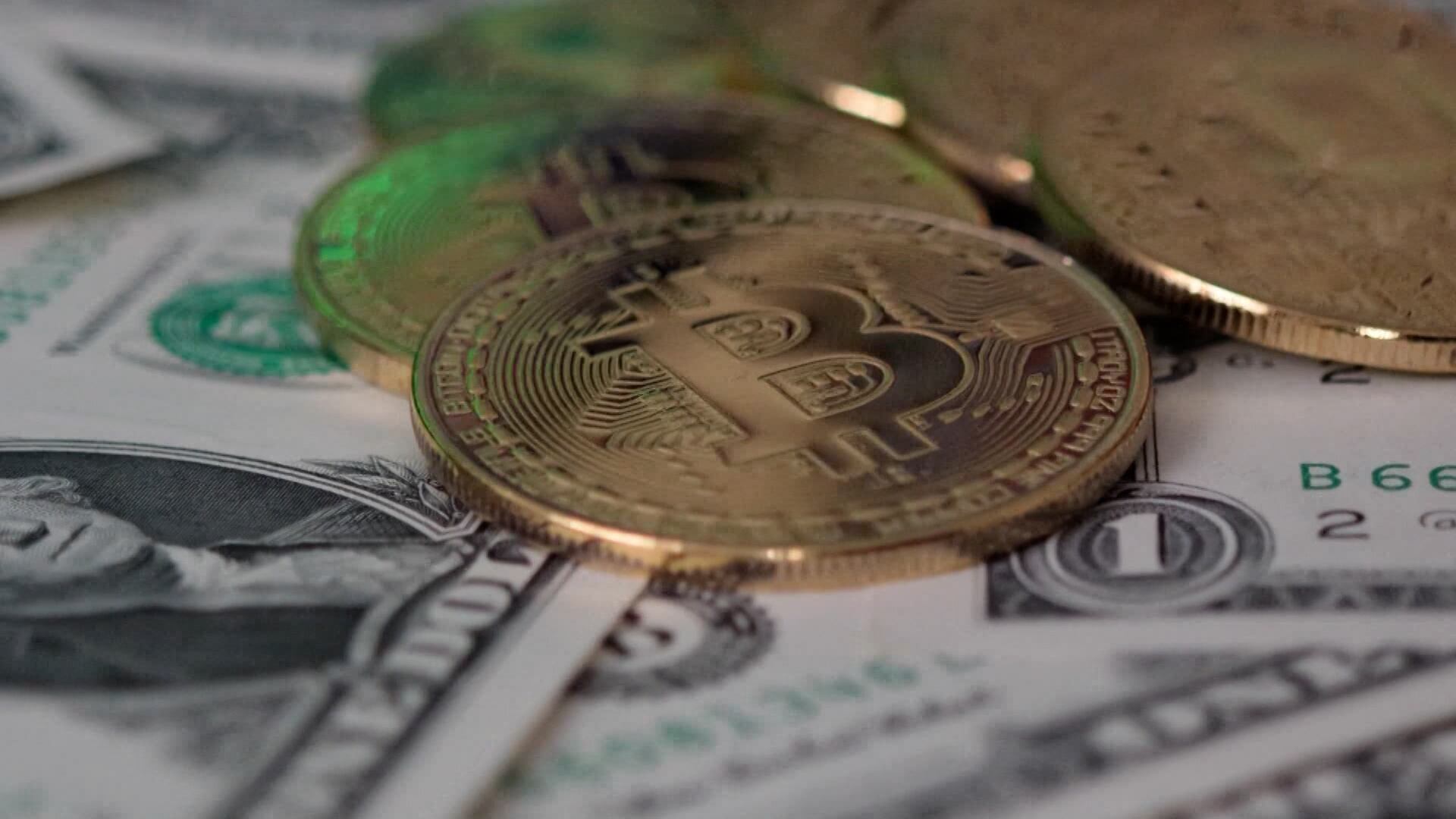
As Russian forces invade Ukraine, millions of dollars in cryptocurrency has flowed into the country to lend support. Russian citizens are also seeing the appeal after sanctions have made their traditional banks unreliable. Robbie Heeger, president and CEO of Endaoment, joins Cheddar News to discuss.
Amazon unveiled its new mobile app called Amp as a direct competitor to Clubhouse, allowing people to host live radio shows. Although it is still in beta, users can join the waitlist from the iOS store.
The war in Ukraine continues to reveal heartbreaking gut-wrenching stories. The war in itself is not only devastating but also expensive. Experts estimate that Russia is draining nearly $20 million dollars each day to continue occupying and invading Ukraine. All this could force the country to turn to cryptocurrencies. It's a major turn for the country that briefly considered outlined digital assets entirely, but it could also have serious implications for cryptos. Managing Director at Quantum Fintech Group, Harry Yeh, joined Cheddar to discuss more.
As Russia intensifies its war on Ukraine, President Biden announced a ban on oil imported from the aggressor nation. Critics of Russia have said this would be the best way to force Putin to pull back, but curbs on Russian oil exports are expected to send already skyrocketing oil and gas prices even higher, further impacting consumers, businesses, financial markets, and the global economy. Leslie Beyer, CEO of the Energy Workforce and Technology Council, joined Cheddar News' Closing Bell to discuss. "It's certainly going to increase pricing, but it is the right thing to do," she said. "The industry itself has already pulled out of the significant portion of its operations in Russia."