The global issue of food insecurity has been accelerated by the coronavirus pandemic but Dole, the world's largest fruit and vegetable producer, is pledging to bring healthy options to one billion people by 2025 in their #SunshineForAll initiative.
The campaign looks to provide nutritious foods to underserved and poorly served communities, starting in Jackson, Mississippi, said Brad Bartlett, Dole packaged foods president, told Cheddar.
"Within that area, only about 5 percent of those grocery stores supply locally-sourced produce, he said. "There's about 20 grocery stores in the city. That's about one for every 10,000 people."
When it comes to assessing a location as food insecure or not, Bartlett said there are a number of factors that come into play.
"It really has a situation of numbers of people, grocery stores, and the amount of fresh produce and nutritious foods that are available in a particular populous. Really, within a food desert only about maybe 23 percent or so of the people have access to fresh produce," he added.
Dole decided to first introduce its #SunshingForAll campaign to Jackson due to the city's lack of accessible public transportation, a surplus of fast food establishments, and a median income of just over $35,000, Bartlett said.
While many communities are impacted by a lack of adequate access to healthier food options, Dole is leaning on the public to help the company decide which locations should be next. Bartlett said all people have to do is log on to Instagram, Facebook, or Twitter and explain to the company why their location qualifies as a food desert while using the tag #SunshineForAll.
"We're looking forward to expanding this. This is something that is an ability for us to get in and help to spread knowledge and awareness, affordability, accessibility, and also to improve the education of an area about healthy products, nutrition," Bartlett said.
On this episode of 'Cheddar Innovates': Creator of Animal Flow discusses the benefits to this unique type of workout that's rising in popularity; CEO of Vinylly breaks down how the app takes your streaming music data and some personal questions to find your next love match; A look at Curiosity Stream's 'Secrets of the Universe.'
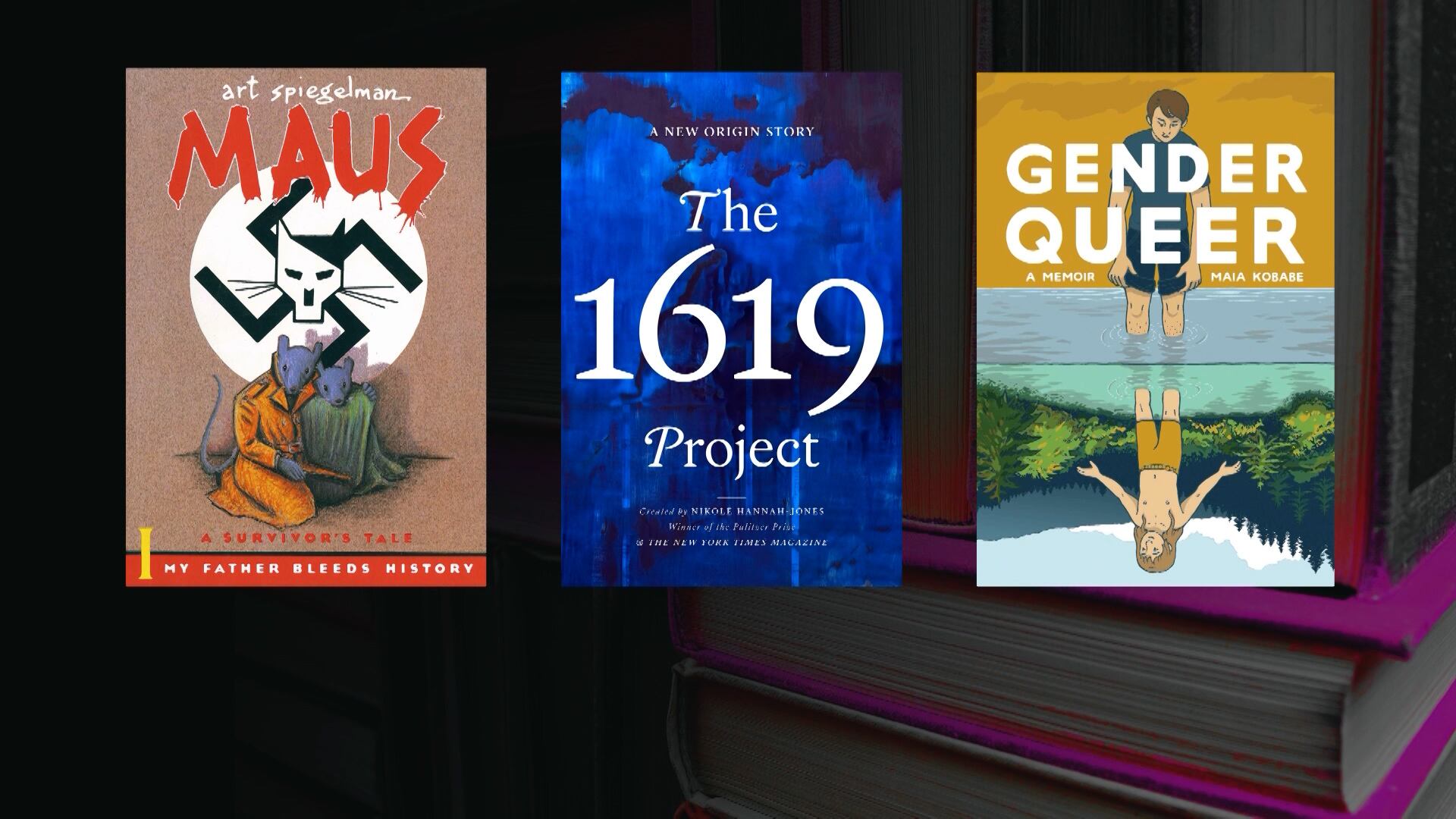
Activism is growing around the country in response to school boards banning books from shelves that focus on sexuality, gender, identity, or race. Jen Cousins, co-founder of The Florida Freedom to Read Project, joins Cheddar News to discuss.
A recent study has found that young people's mental health worsens as they go through their teenage years, with the wellbeing of adolescent girls the most severely impacted. Simone Alicia, creator of The Self Esteem Doctor Academy, joins Cheddar News to discuss how to raise self esteem among this age group.
Cristyl Kimbrough, real estate attorney and star of 'Ladies Who List: Atlanta,' joins Cheddar News to discuss her new show on OWN and breaking into Atlanta's luxury real estate space.
Carl Tobias, professor of law at the University of Richmond, joins Cheddar News to talk about how Johnson & Johnson funded experiments on mostly Black men comparing the effects of talc and asbestos on their skin.
Amazon unveiled its new mobile app called Amp as a direct competitor to Clubhouse, allowing people to host live radio shows. Although it is still in beta, users can join the waitlist from the iOS store.
The war in Ukraine continues to reveal heartbreaking gut-wrenching stories. The war in itself is not only devastating but also expensive. Experts estimate that Russia is draining nearly $20 million dollars each day to continue occupying and invading Ukraine. All this could force the country to turn to cryptocurrencies. It's a major turn for the country that briefly considered outlined digital assets entirely, but it could also have serious implications for cryptos. Managing Director at Quantum Fintech Group, Harry Yeh, joined Cheddar to discuss more.
As Russia intensifies its war on Ukraine, President Biden announced a ban on oil imported from the aggressor nation. Critics of Russia have said this would be the best way to force Putin to pull back, but curbs on Russian oil exports are expected to send already skyrocketing oil and gas prices even higher, further impacting consumers, businesses, financial markets, and the global economy. Leslie Beyer, CEO of the Energy Workforce and Technology Council, joined Cheddar News' Closing Bell to discuss. "It's certainly going to increase pricing, but it is the right thing to do," she said. "The industry itself has already pulled out of the significant portion of its operations in Russia."