Sarah Kauss is the CEO of water bottle company S'well. Her small idea has turned into one of the most successful female-run businesses. She joins Kristen Schoeler at the Goldman Sachs 10,000 Small Businesses Summit to discuss how to build a brand and why S'well is doing so well.
In terms of advice on how to grow a small business, Kauss says to build a strong brand and then try to understand what your product and service can bring to other big companies and brands.
On what is next for S'well, Kauss says S'well is exploring new ways to further product innovation. As they move into new product categories and countries, Kauss does anticipate changing their marketing strategy. At this point, S'well has not spent any money on marketing and instead relies on consumers to be brand ambassadors. Kauss also says that more is spent on legal issues than she would like to deal with copycats.
S'well has not announced any numbers for 2017, but Kauss explains that the company has continued to grow since 2015 and the goals just continue to get higher with each year.
Uncertainty continues to pummel the banking industry, despite assurances from financial regulators and bankers such as Jamie Dimon this week that the worst of the recent crisis is over and the health of the banking system remains strong.
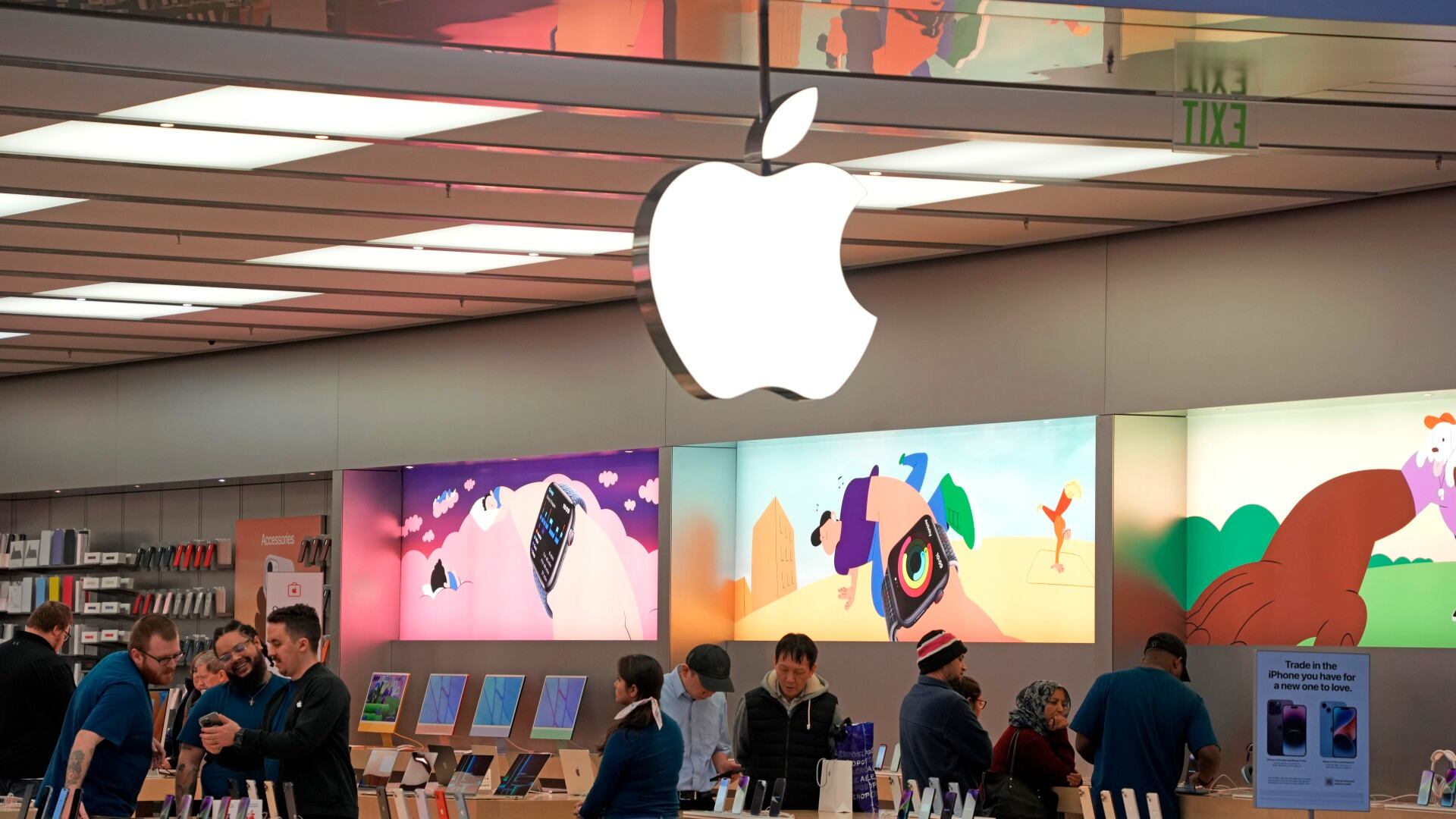
Apple is leading Wall Street toward its biggest rally in nearly four months Friday after the market's most influential company reported a better profit than feared.
Apple once again posted an, until now, rare revenue decline in its latest fiscal quarter, but said its overall business improved from the December quarter and sales of its iPhones were solid.
America’s employers added a healthy 253,000 jobs in April, evidence of a labor market that still shows surprising strength despite rising interest rates, chronically high inflation and a banking crisis that could weaken the economy.
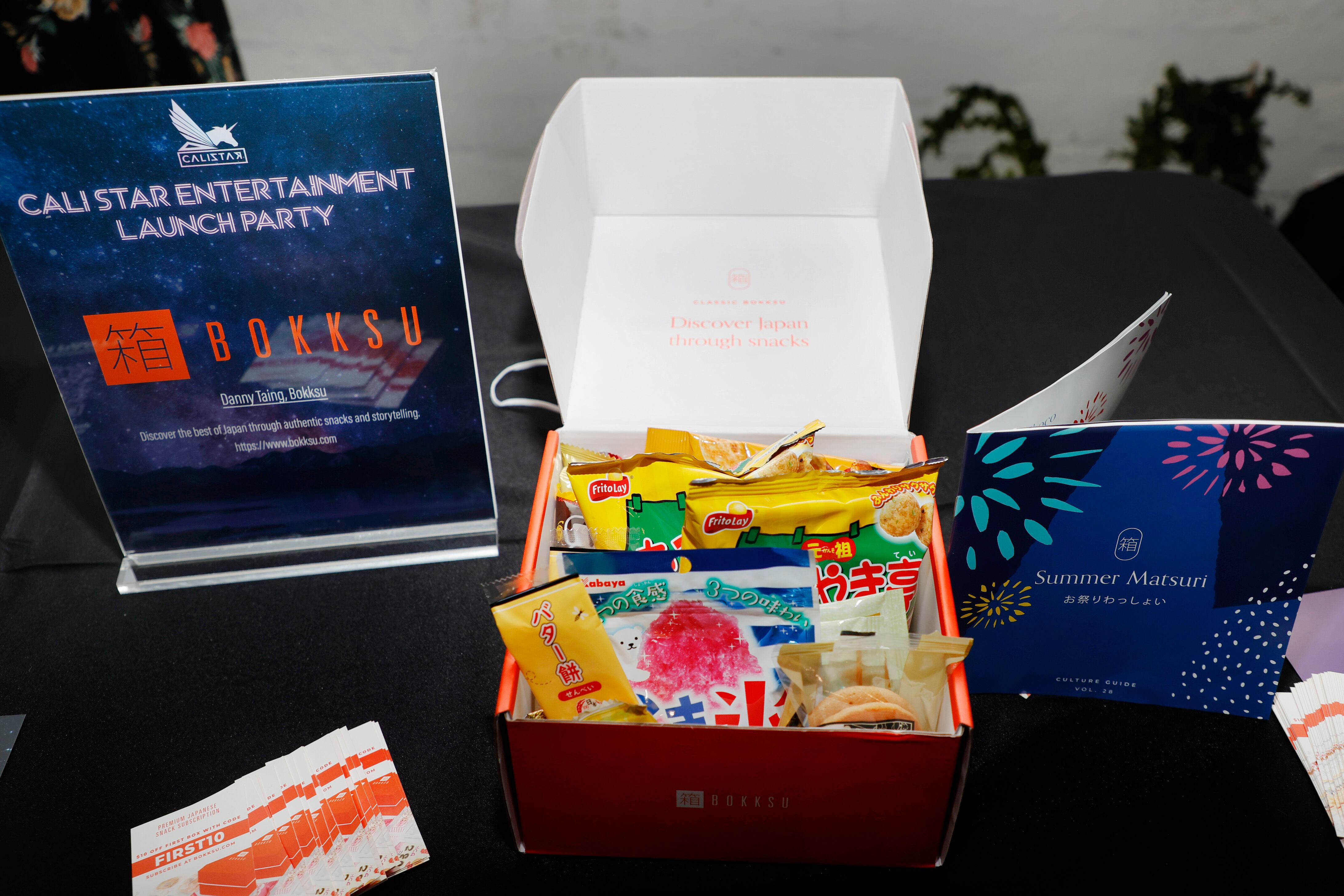
Danny Taing, founder and CEO of Bokksu, joined Cheddar News to discuss his path on how he became an entrepreneur to launch a company that delivers artisanal Japanese snacks. "When I moved back from Japan to New York, I had this bit of reverse culture shock ... a lot of people had somewhat of a one-dimensional view of Japan ... they saw this country where people ate sushi every day ... none of that is true," he said.