Does Robinhood Crypto Present a Threat to Coinbase?
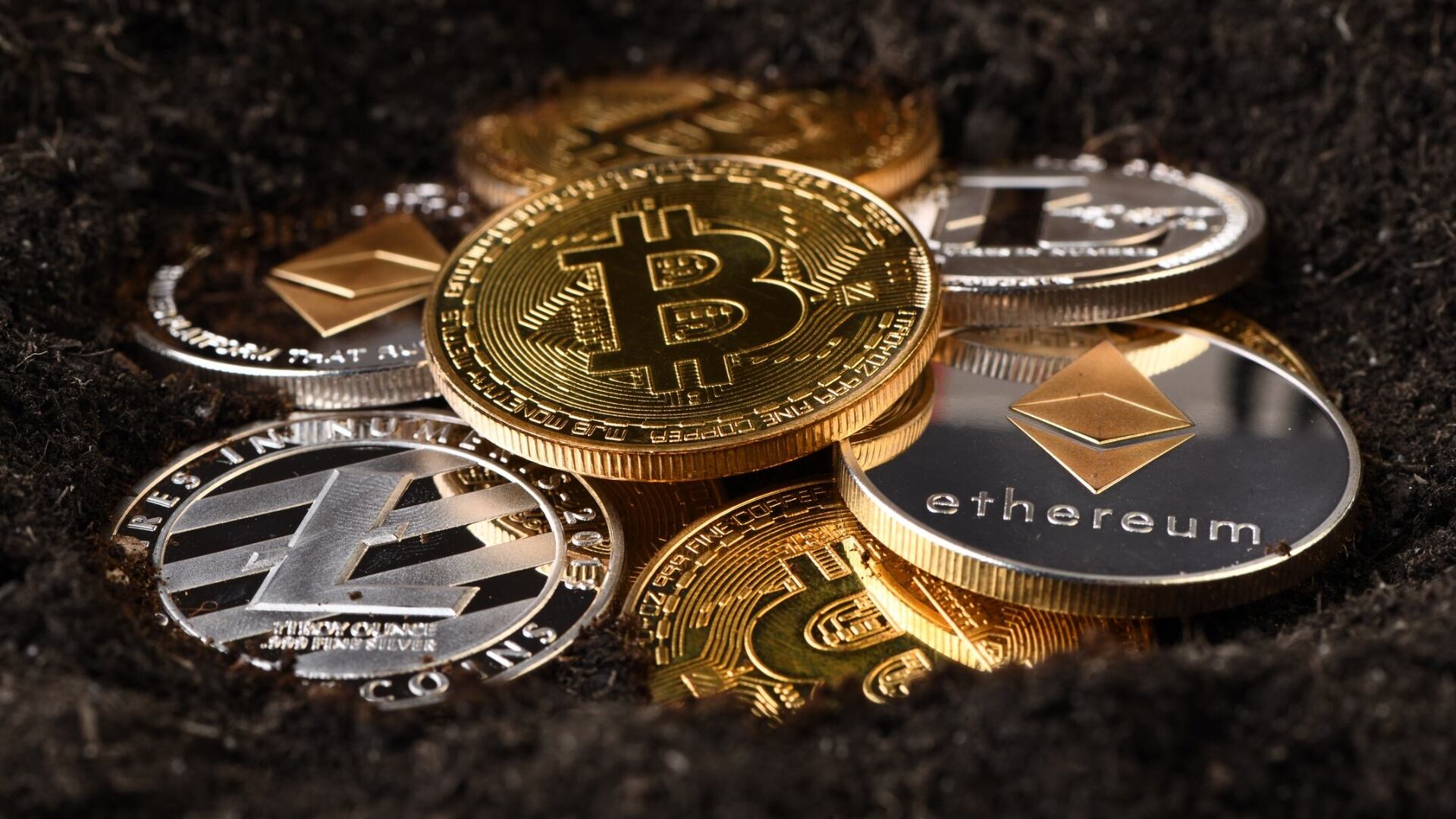
Robinhood may be super popular with millennial traders, but it won’t overthrow Coinbase in the crypto world.
That’s according to Adam Draper, founder and managing director at start-up accelerator Boost VC. Also a Coinbase investor, he says he doesn’t view the companies as competing platforms.
“If you think long-term, they’re both looking at [trading digital coins] from completely different sides,” he told Cheddar. “Robinhood is coming at it from an asset management side, where Coinbase is coming at it from a crypto platform side.”
Robinhood Crypto went live in five states Thursday, offering zero-fee trading and promising a roll out more broadly in the coming months.
While some argue the no-commission strategy could take share away from Coinbase, Draper says the platform has a different target audience.
“With Coinbase Custody, they’re rolling out to institutional investors,” he said. “Robinhood is much more focused on the consumer, millennial generation.”
For the full interview, [click here](https://cheddar.com/videos/what-robinhoods-crypto-trading-means-for-coinbase).
Russia's economy is falling on hard times as businesses throughout the world continue to shut out the country after its invasion of Ukraine. Cheddar News was joined by Christine McDaniel, Senior Research Fellow at the Mercatus Center, to learn more about the situation.
Tech companies such as Google, Apple, and Twitter are the latest to announce back-to-office plans. Google has asked its employees to return starting on April 4th. Heidi Brooks, senior lecturer in organizational behavior at Yale University School of Management, joins Cheddar News to discuss.
Businesses face more challenges for building a positive work environment as offices reopen. Workplace tech platform Envoy's At Work Report showed that hybrid work is currently in vogue, featuring focused work in both the office and at home. Annette Reavis, chief people officer for Envoy, joined Cheddar to discuss how employers can smooth the rough edges for their returning employees. "It is about hybrid though, it's really important for the future that we change our mindset from five days a week," she said. "Those are days of the past to working hybrids. So when you're in the office, you're focused, you're working cross-functionally."
Following the invasion of Ukraine, a multitude of Western companies have paused doing business with Russia. PepsiCo, Coca-Cola, McDonald's, and Starbucks are the most recent companies to temporarily cease operations in Russia. Dean of Miami Herbert Business School at the University of Miami, John Quelch, joined Cheddar News to discuss what message this sends to Russia and the Russian consumer. “I would not underestimate the collective strength of all of these multinational companies, essentially coming together to make their collective statement in support of the political statements that have come out of Washington," he said.
Cristyl Kimbrough, real estate attorney and star of 'Ladies Who List: Atlanta,' joins Cheddar News to discuss her new show on OWN and breaking into Atlanta's luxury real estate space.
Carl Tobias, professor of law at the University of Richmond, joins Cheddar News to talk about how Johnson & Johnson funded experiments on mostly Black men comparing the effects of talc and asbestos on their skin.
Amazon unveiled its new mobile app called Amp as a direct competitor to Clubhouse, allowing people to host live radio shows. Although it is still in beta, users can join the waitlist from the iOS store.
President Biden announced a ban on Russian oil and natural gas imports to the U.S. in response to its invasion of Ukraine, a move he warned could lead to an even greater surge in gas prices. The ban is prompting a conversation about the current oil production levels in the U.S. and whether or not the industry can ramp up production to soften the blow to American families at the gas pump. Clark Williams-Derry, Energy Finance Analyst with the Institute for Energy Economics and Financial Analysis, breaks down the state of the U.S. oil industry and how the ban might impact production levels here at home.