Does Congress Deserve Credit for Amazon's Wage Hike? Rep. Khanna Thinks So
*By Carlo Versano*
Rep. Ro Khanna (D-CA) wants some credit for Amazon's new company-wide policy to hike its minimum wage to $15.
The progressive congressman representing California's 17th district has [sponsored](https://cheddar.com/videos/rep-ro-khanna-to-amazon-pay-your-workers-a-living-wage) a House bill to complement Sen. Bernie Sanders' (I-VT) "Stop BEZOS Act." Khanna said Tuesday in an interview on Cheddar he thinks his legislation applied more pressure to Amazon ($AMZN), which was already under scrutiny for the working conditions of its factory employees.
"It's a major, major victory," Khanna said. "I think \[Bezos\] has really set the bar."
Amazon's wage hike will go into effect Nov. 1 for 350,000 full-time, part-time, and temporary employees. The company said it will also lobby Congress to increase the minimum wage at a federal level.
To Khanna, whose district includes Silicon Valley, the move by Amazon ー based in Seattle ー will cause shockwaves and likely inspire other large corporations to act. "It's going to eviscerate the argument that you can't be profitable and pay $15 wages," he said.
"If Amazon can do it, a lot of other companies can do it."
Khanna also spoke about the federal government's injunction against California for its new net neutrality law. He said the position taken by the FCC and Chairman Ajit Pai undermines the concept of federalism, which Republicans claim to value. But the reality may be quite different.
"There is no jurisdiction to take away from what the state is doing," he said.
Pai filed suit soon after California Gov. Jerry Brown signed legislation establishing net neutrality protections for Californians over the weekend. Pai argued that the internet by its very nature constitutes interstate commerce and thus should be regulated federally.
For full interview [click here](https://cheddar.com/videos/rep-ro-khanna-amazon-set-the-bar-by-raising-minimum-wage).
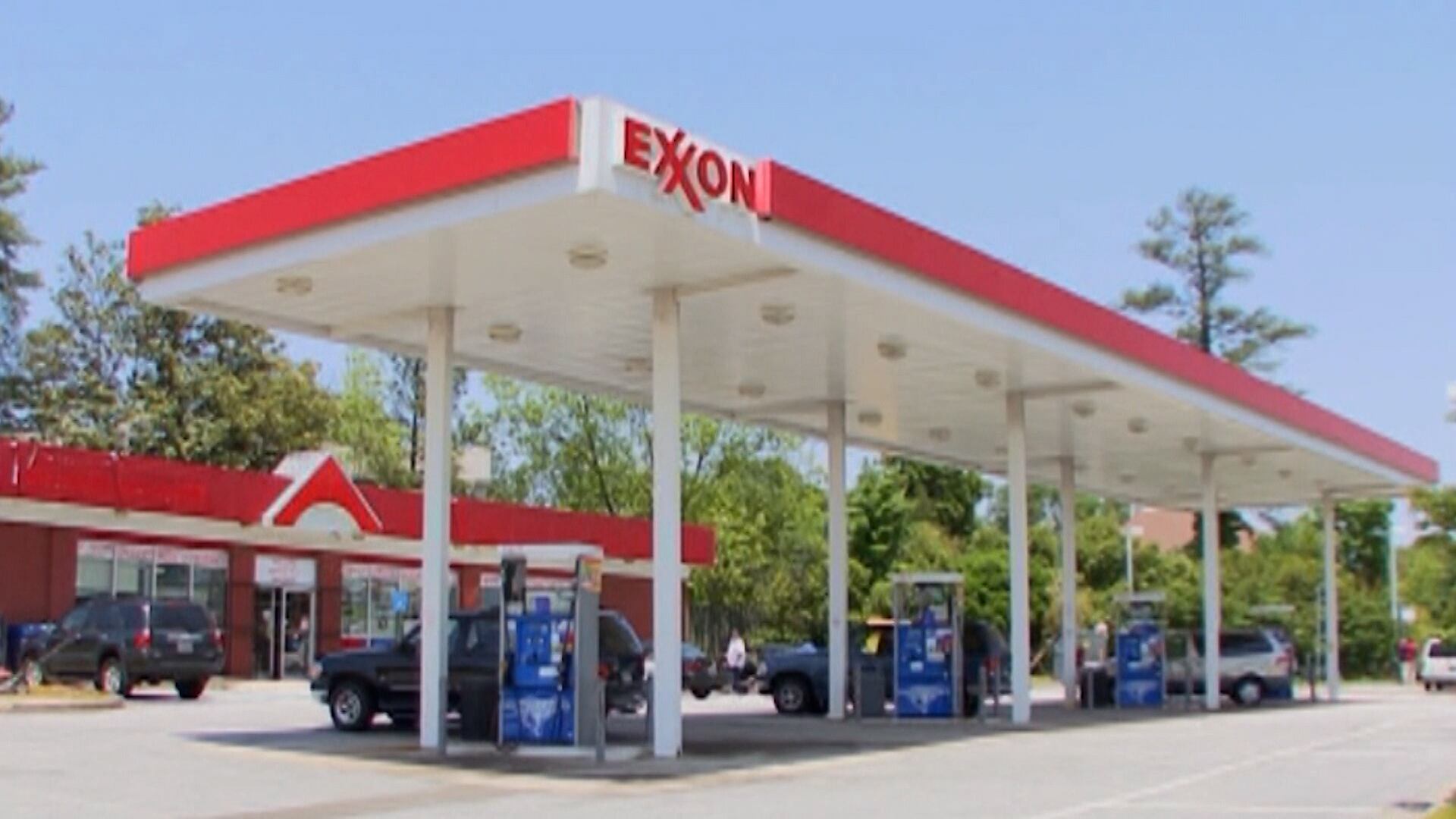
Consumer prices saw an 8.6 percent jump in May, with fuel prices showing the biggest surge, climbing 17 percent last month. As inflation continues to climb to levels not seen in 40 years, President Biden took to calling out ExxonMobil and other major oil companies, accusing them of holding back production while continuing to collect huge profits at the cost of the consumer. Mark Avallone, the president of Potomac Wealth Advisors, joined Cheddar's Opening Bell to discuss. “They have reduced long-term expenditures. But why? Because the world is going to alternative energy and as consumers, if we thought that that welcome change to alternatives was going to happen without pain, we might have been mistaken," he said. "The less investment they make in oil because they're getting ready for a new world of electric vehicles, the less we're going to be prepared for oil shocks such as the one we got when Russia invaded Ukraine."
Catching you up on the stories you need to know this morning, the U.S. could soon get its first major gun safety law in years, the House Select Committee investigating the January 6th attack on the U.S. capitol holds its second hearing, and today might just be the day the Supreme Court overturns Roe v. Wade, and decides on new gun laws.
U.S. stocks closed Thursday at their lowest levels of the trading day, as investors continue to eye inflation ahead of the May CPI report out Friday. Art Hogan, Chief Market Strategist for National Holdings, joins Cheddar News' Closing Bell to discuss.
Creating a brand is one of the most important steps in building a business. It can help set you apart from the competition and tells customers what your values are, but many companies don't know how to brand themselves effectively. Tiana Von Johnson, CEO & Chief Brand Strategist of TVJ World, gives expert tips on the do’s and don’ts of branding.
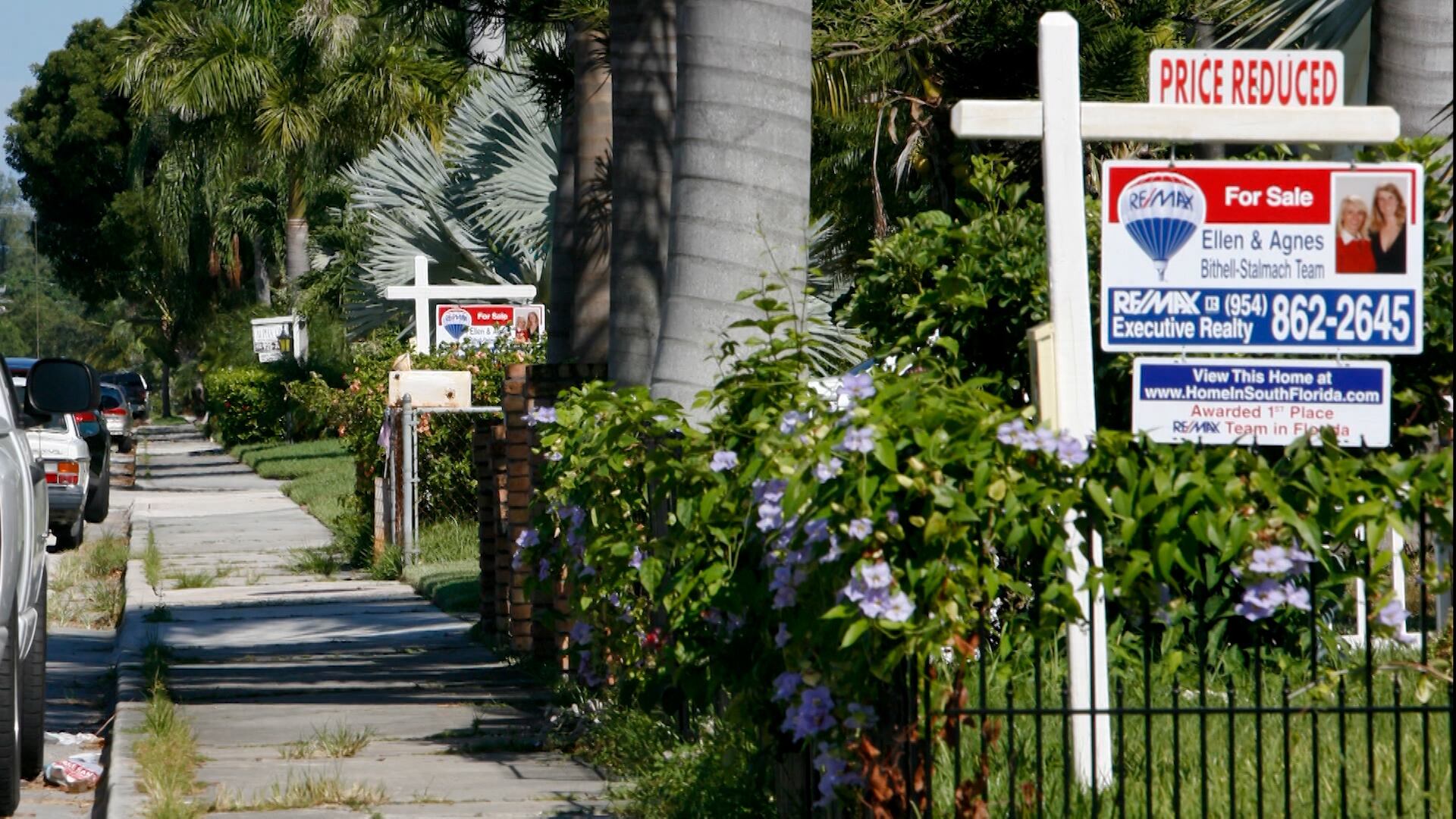
Housing affordability has collapsed to its lowest level on record over the last year. According to the national association of realtors, affordability has dropped by 29%, thanks to surging home prices and mortgage rates. Odeta Kushi, Deputy Chief Economist of First American, breaks down the housing market, and when buyers can expect prices to finally drop.