Image if someone told you that doing less at work could actually increase your productivity. Morten Hansen, Author of "Great at Work: How Top Performers do Less, Work Better and Achieve More" joins This Changes Things to explain why focusing on just a few tasks could make you better at your job.
Hansen studied the way 5,000 people worked for 5 years and found that the more they prioritized a few tasks the better they performed at those particular assignments. He says the hardest thing people have to overcome is the mindset that working 24/7 is the way to impress their boss. He encourages people to set boundaries with their superiors and create that work/life balance.
Plus, why do you achieve more if you work less? It's all about efficiency. Think about a few things you don't need to do throughout the day and get rid of them. Cut back on the meetings you go to or the emails you feel like you need to answer. In fact, learning how to effectively run a meeting could increase your team's productivity by leaps and bounds. By doing this you can turn all your attention to the task at hand and often it will turn out with better results.
Stellantis is telling owners of nearly 220,000 Jeep Cherokee SUVs worldwide to park them outdoors and away from other vehicles because the power liftgates can catch fire even when the engines are off.
After years of explosive growth during the pandemic, Home Depot’s revenue during the first quarter fell short of expectations and the company cut its profit and sales outlook for the year
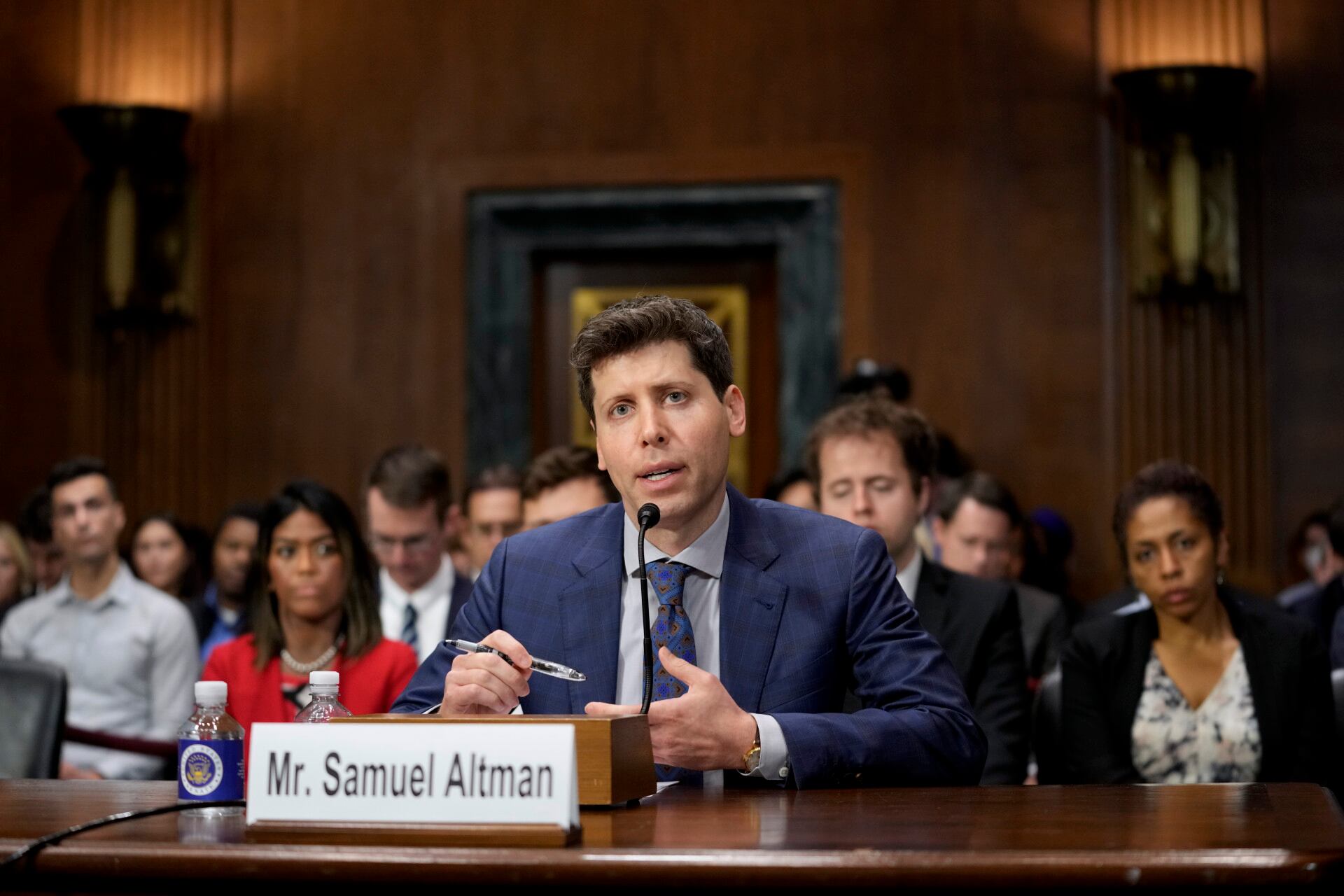
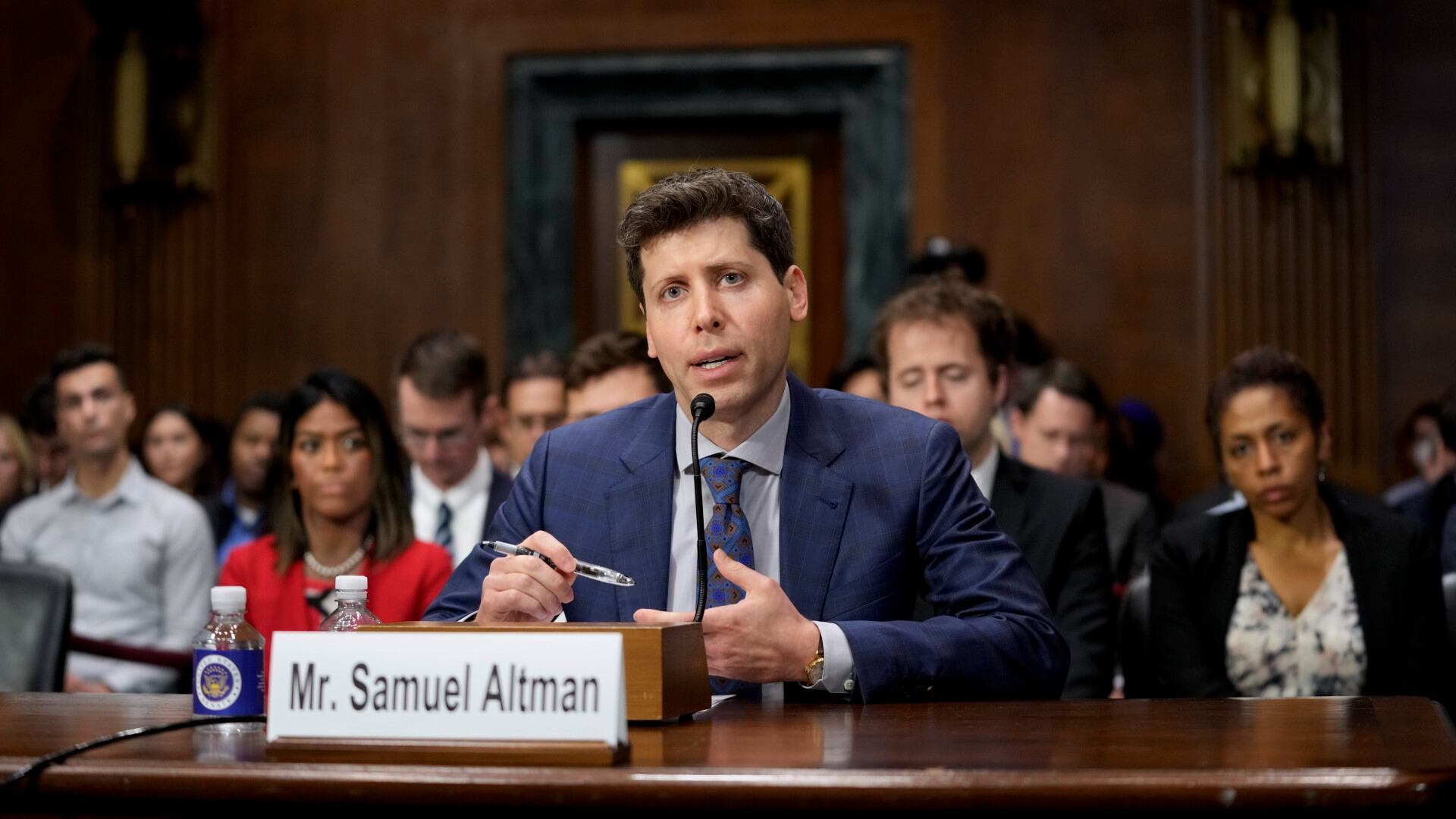
The head of the artificial intelligence company that makes ChatGPT told Congress on Tuesday that government intervention "will be critical to mitigate the risks of increasingly powerful” AI systems.
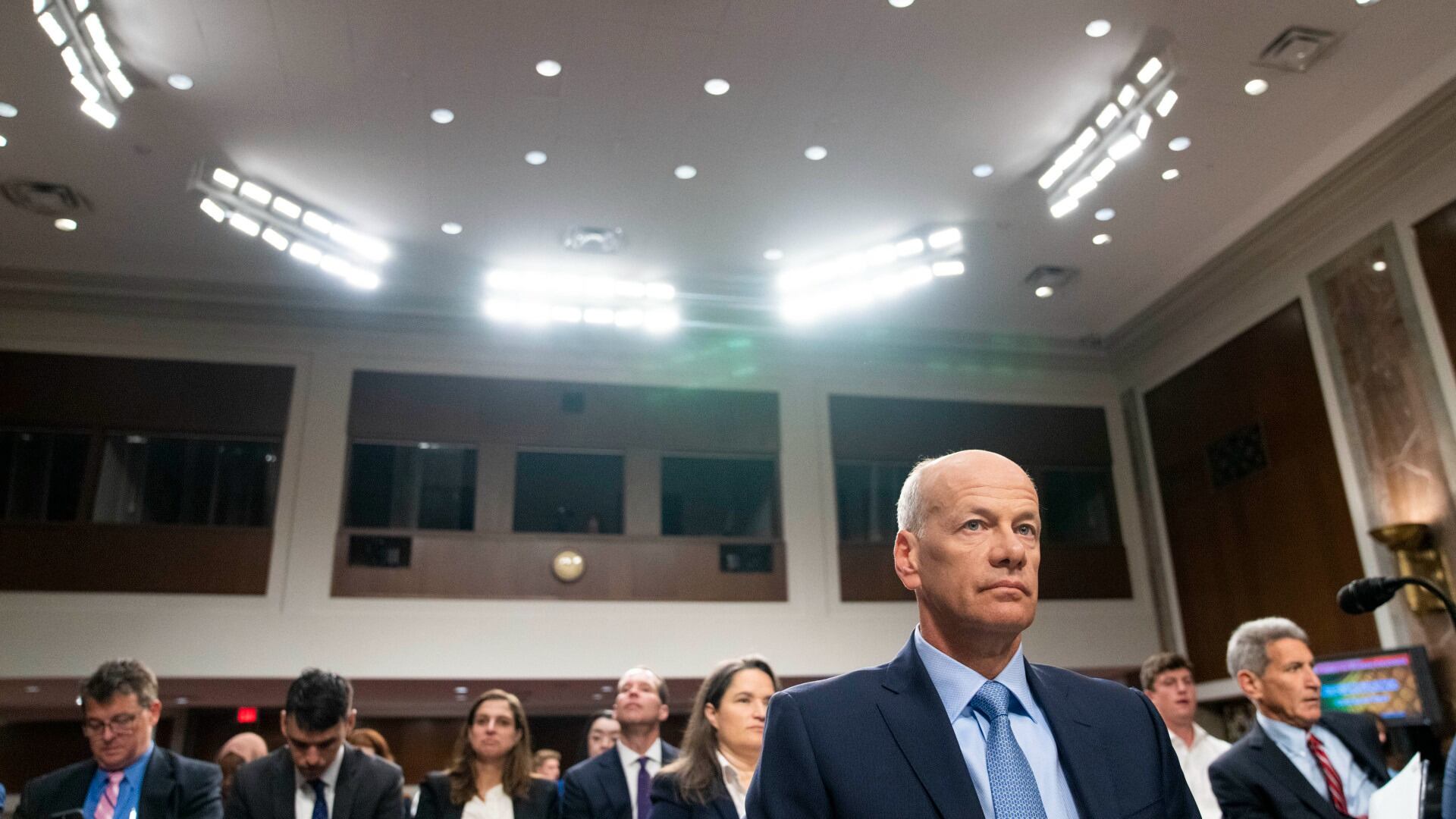
Top executives at Silicon Valley Bank and Signature Bank largely avoided taking responsibility for their banks’ dramatic failures at a Senate hearing Tuesday.
The head of the artificial intelligence company that makes ChatGPT will testify before Congress as lawmakers call for new rules to guide the rapid development of AI technology.
The recent failures of a trio of midsize banks has once again raised questions about whether senior executives in the U.S. are being rewarded more for short-term gains — like rising stock prices — than for ensuring their companies' long-term health.