The Walt Disney Co. turned a profit in its most recent quarter as reopened parks provided a revenue bounce.
Revenue in the parks and products division surged to $4.3 billion from $1.1 billion a year ago, as theme parks closed last year were open for part or all of this year’s quarter. Disney World in Florida has been open since last summer; California’s Disneyland only came back at the end of April.
The effect of the pandemic lingers at the parks, many of which are operating at reduced capacities, the company says. Disney is among the country’s largest employers to require worker vaccinations. It also announced in July that visitors to its U.S. theme parks must again wear masks indoors.
Disney on Thursday reported that its net income was $918 million in the three months through July 3, compared with a loss of $4.72 billion in its fiscal third quarter a year ago. Earnings per share came to 50 cents, while revenue climbed 45% to $17.02 billion.
Analysts polled by FactSet predicted earnings of 55 cents per share on revenue of $16.76 billion. Excluding one-time items, earnings were 80 cents per share. Disney shares jumped more than 5% to $188.72 in after-hours trading.
The company ended the quarter with 116 million Disney+ subscribers, about double the number from a year ago, and nearly 174 million streaming subscribers including Disney+, ESPN+ and Hulu.
Disney+ expects 230 to 260 million subscribers by 2024.
Disney's kid-friendly back catalog and original hit series like Marvel’s “WandaVision” and the Star Wars spinoff “The Mandalorian" have helped drive sign-ups as people stuck at home during the pandemic needed something to do.
The streaming industry leader, Netflix, has had some growing pains this year after 2020′s record-setting subscriber gains and as competition increases.
Marvel’s “Black Widow” came out in July and brought in the biggest domestic box-office haul this year, but Disney's pandemic strategy of releasing it simultaneously on Disney+, for $30 a pop, led to Hollywood drama. Its star, Scarlett Johansson, sued Disney, saying they deprived her of potential earnings from the theater screenings. Her pay is based in part on the film's box office.
Revenue at the media and entertainment distribution division rose 18% to $12.68 billion. Excluding one-time items, earnings were 80 cents per share.
Ty Young, CEO of Ty J. Young Wealth Management, joins Cheddar to discuss Trump's moves as he returns to Washington D.C. and how it may affect the U.S. economy.
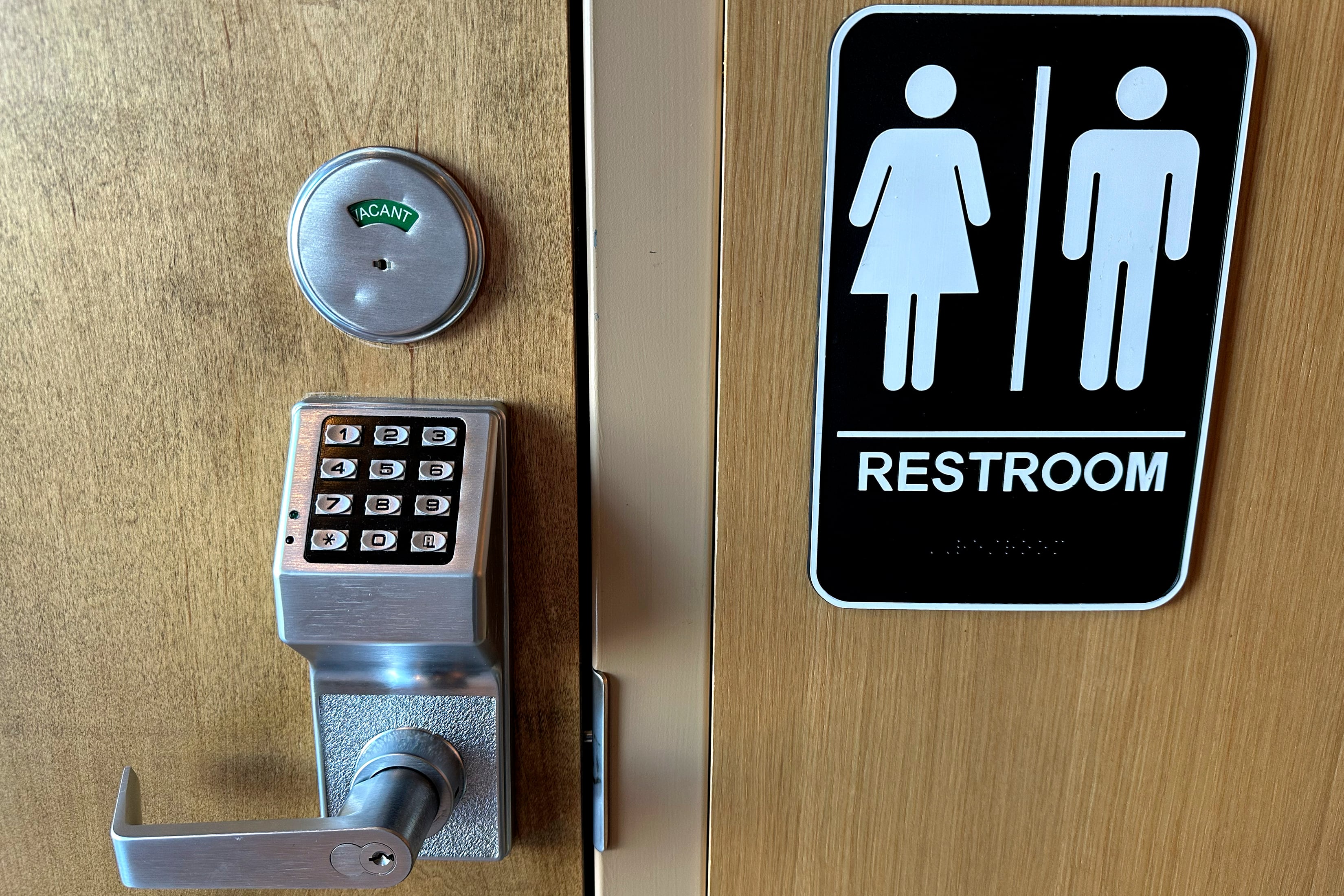
Starbucks’ decision to restrict its restrooms to paying customers has flushed out a wider problem: a patchwork of restroom use policies that varies by state and city. Starbucks announced last week a new code of conduct that says people need to make a purchase if they want to hang out or use the restroom. The coffee chain's policy change for bathroom privileges has left Americans confused and divided over who gets to go and when. The American Restroom Association, a public toilet advocacy group, was among the critics. Rules about restroom access in restaurants vary by state, city and county. The National Retail Federation says private businesses have a right to limit restroom use.
President Donald Trump is talking up a joint venture investing up to $500 billion for infrastructure tied to artificial intelligence by a new partnership formed by OpenAI, Oracle and SoftBank. The new entity, Stargate, will start building out data centers and the electricity generation needed for the further development of the fast-evolving AI in Texas, according to the White House. The initial investment is expected to be $100 billion and could reach five times that sum. While Trump has seized on similar announcements to show that his presidency is boosting the economy, there were already expectations of a massive buildout of data centers and electricity plants needed for the development of AI.
Chris Ruder, Spikeball Founder and CEO, explains how he and his friends put roundnet on the global map, plus, how Spikeball helps people "find their circle."
J.W. Roth, CEO of Venu Holding Corporation, discusses the company's IPO and plans to redefine live music entertainment with their fan founded, fan-owned model.
Variety's Clayton Davis discusses why more than just the 1% are struggling after the LA fires. Plus, how awards shows will pivot to help victims. Watch!
Emily Hosie, CEO of Rebelstork, explains the concept of Returns Recommerce, plus how her company raised $18M to address the industry-wide issue of returns.