Cinderella Castle and Main Street, U.S.A. are seen at Walt Disney World Resort's Magic Kingdom on Sunday, August 9, 2020, in Lake Buena Vista, Fla. (Photo by Charles Sykes/Invision/AP)
By Mike Schneider
Updated 5:35 pm ET
Squeezed by limits on attendance at its theme parks and other restrictions due to the pandemic, The Walt Disney Co. said Tuesday it planned to lay off 28,000 workers in its parks division in California and Florida.
Two-thirds of the planned layoffs involve part-time workers but they ranged from salaried employees to nonunion hourly workers, Disney officials said.
Disney’s parks closed last spring as the pandemic started spreading in the U.S. The Florida parks reopened this summer, but the California parks have yet to reopen as the company awaits guidance from the state of California.
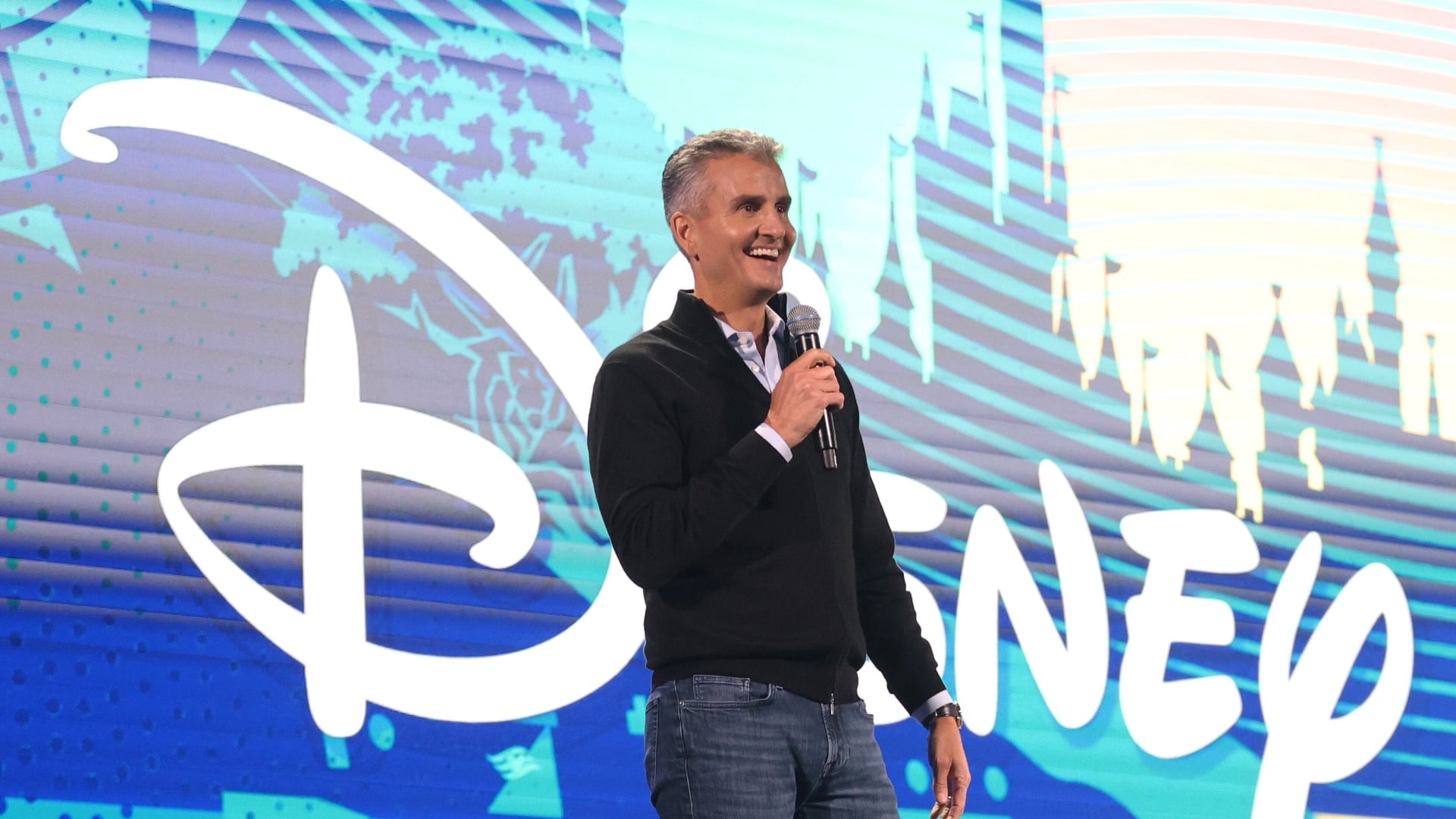
In a letter to employees, Josh DÁmaro, chairman of Disney Parks, Experience and Product, said his management team had worked hard to try to avoid layoffs. They had cut expenses, suspended projects, and modified operations but it wasn’t enough given limits on the number of people allowed into the park because of social distancing restrictions and other pandemic-related measures, he said.
“As heartbreaking as it is to take this action, this is the only feasible option we have in light of the prolonged impact of COVID-19 on our business, including limited capacity due to physical distancing requirements and the continued uncertainty regarding the duration of the pandemic,” he said.
Disney officials said the company would provide severance packages for the employees, where appropriate, and also offer other services to help workers with job placement.
U.S. Air Force pilot Tyler Lucas beat 199 competitors on Beast Games Season 2 to win $5.1M. He joins us live to share how discipline and loyalty won the game.
Osier founder Cheree Ashley spent a decade building recovery programs & now she's channeling that mission into skincare with Selling Sunset's Sandra Vergara.
Genesis just committed to 22 new vehicles by 2030. The brand's COO joins us live to break down their luxury takeover, NY Auto Show reveals, and what's next.
Super League is redefining brand advertising, inside Roblox and Minecraft, reaching 300M gamers with results traditional ads can't touch. Here's how they do it.
As OpenAI and Anthropic eye public markets, Mizuho analyst Lloyd Walmsley tells us which AI giant has the stronger case for investors and what to watch next.
Hershey's VP of Marketing Dan Mohnshine reveals the brand's newest products, the story behind Dirty Soda Twizzlers, and how an iconic brand stays relevant.
Lavu CEO Saleem Khatri joins to explain how AI-powered POS systems are changing how major franchises like KFC take orders, cut costs, and serve customers faster
BillionToOne's Jen Hoskovec breaks down the Unity test, the latest in prenatal genetic screening, and what it means for those born with genetic conditions.