WarnerMedia's new streaming service HBO Max is already leading the pack — in terms of price.
Though viewers will need to shell out more for the service than its competitors, the price might actually be a bargain. HBO customers already pay $14.99 a month. With HBO Max, people will pay the same amount but get more bespoke programming and 10,000 hours of previously released movies and television shows.
WarnerMedia held an investor day for its new streaming service on Tuesday, unveiling more details about the highly anticipated platform. HBO Max will be half focused on younger millennial programming, with the other half focused on entertainment for children and adults.
The service, slated to launch in May 2020, will be the home for exclusive shows based on top properties including the Game of Thrones prequel House of Targaryen and a Gossip Girl" sequel. It will also have a rebooted version of *The Boondocks and a musical series set in the Grease 1950s universe, as well as *Sesame Street" and spin-offs from the franchise.
WarnerMedia also has a goal of HBO Max reaching 50 million users by 2025. It already has a head start, given that HBO already has 37 million domestic subscribers and standalone HBO Now customers will get HBO Max for the same price.
While the service does cost three times the price of the upcoming Apple TV+, which is set to launch on November 1 at $4.99, HBO Max will come with a large library of shows and movies. Customers will also be able to find TV series including South Park, Friends, The Fresh Prince of Bel-Air, and The Big Bang Theory. DC movies including Joker will be available at launch, among other titles.
In order to run some of this content exclusively, WarnerMedia has pulled some of the high-profile content from competitors like Netflix and Hulu. That should give HBO Max a competitive boost, considering that many of these shows are proven hits and household names.
In addition, HBO Max gets benefits from the strong HBO brand. Many consumers equate HBO with quality and award-winning programming. WarnerMedia plans to double its annual spend on HBO content to $2 billion in 2020. It's still a fraction of the $15 billion Netflix is set to spend on shows and movies this year. Even with the smaller budget, HBO dominated at the Emmys this year, taking home 34 top honors. Netflix nabbed 27, while Amazon had 15.
Still, it's not all smooth sailing ahead for HBO Max. The company could potentially dilute the brand name if it expands to shows and movies that aren't up to the same standard loyal HBO audiences are used to.
It's also the late entrant to a marketplace that will already have Apple and Disney's new streaming platforms, as well as Netflix, Hulu, and the myriad of hyperspecific streaming services that cater to niche tastes. While the $15 price point isn't unreasonable, viewers may be checking their wallets by next May to see if they have enough left in the budget to add HBO Max.
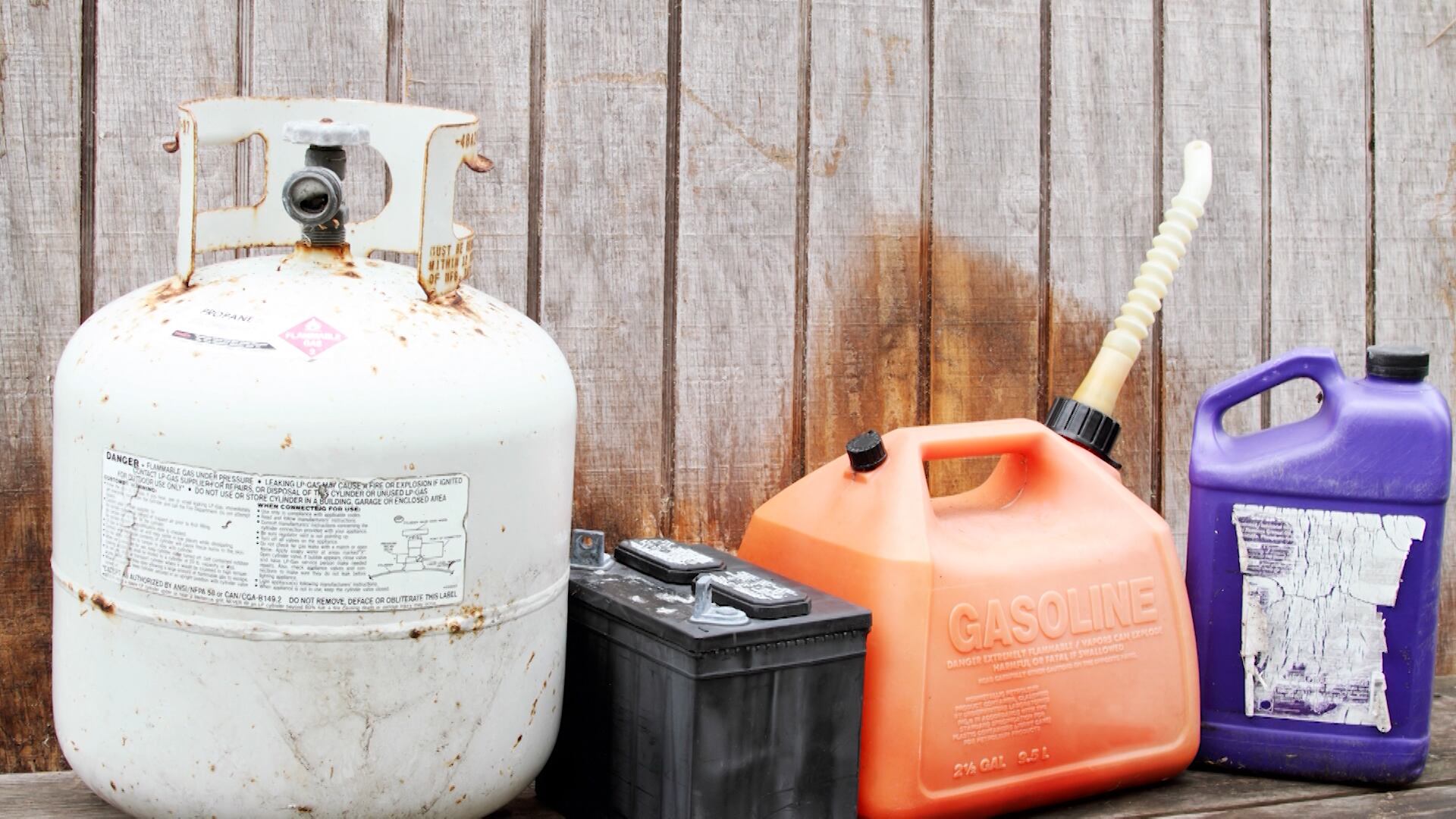
The U.S. propane market is headed for 'armageddon' this winter, according to the research firm, IHS Markit Ltd. Residential propane prices nationwide are currently at their highest level for the month of October since 2011. It comes amid soaring demand and as the energy source is in short supply. This all could lead to some regions experiencing shortages before winter ends. President and CEO of Suburban Propane Michael Stivala joins Cheddar News' Closing Bell to discuss.
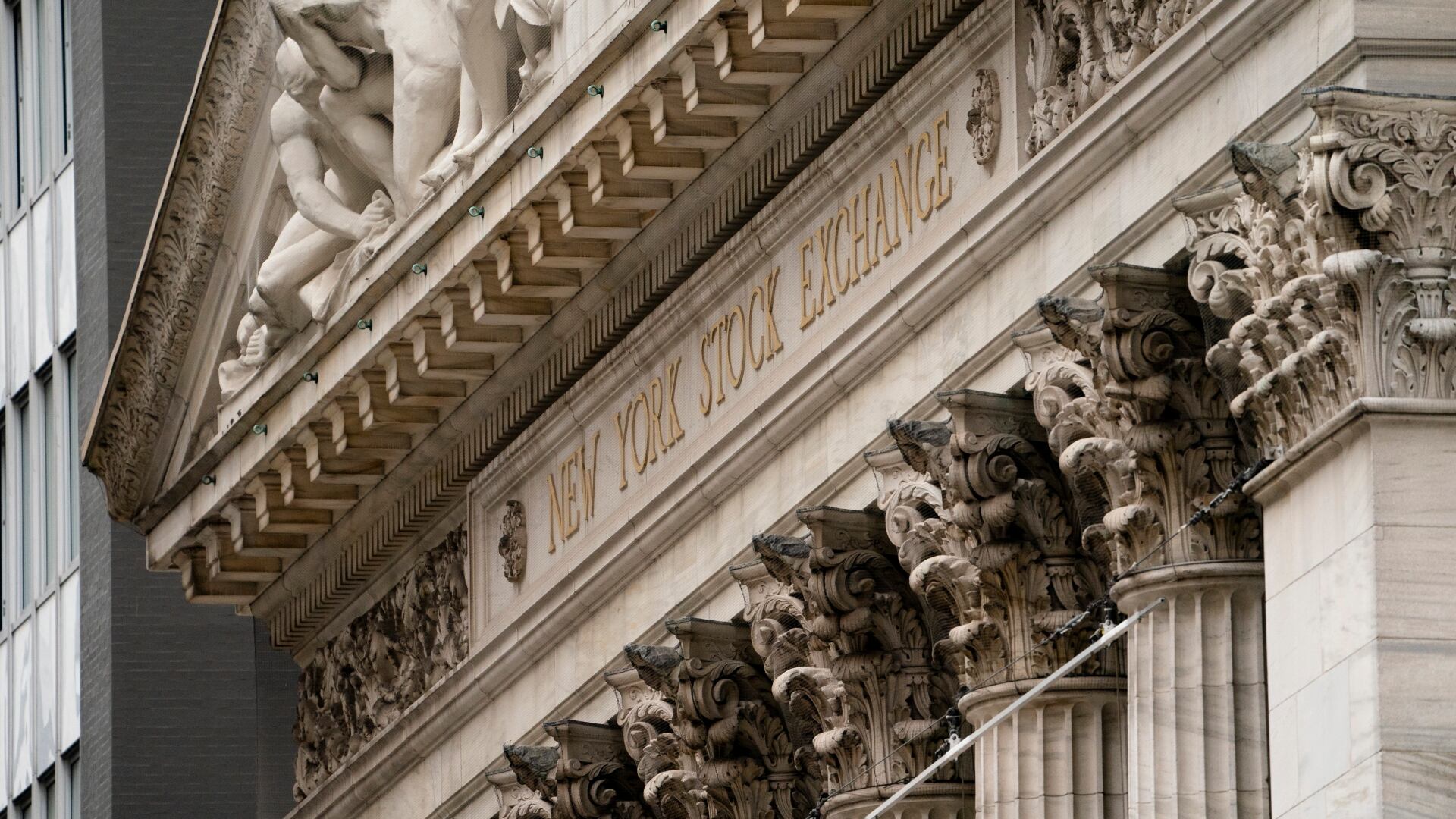
The Dow, S&P, and Nasdaq begin November by not only ending Monday's session higher but with a record close as well. Melissa Armo, Founder and Owner of The Stock Swoosh, has her eye on major economic storylines and joins Cheddar News' Closing Bell to discuss what role the news could play on Wall Street.
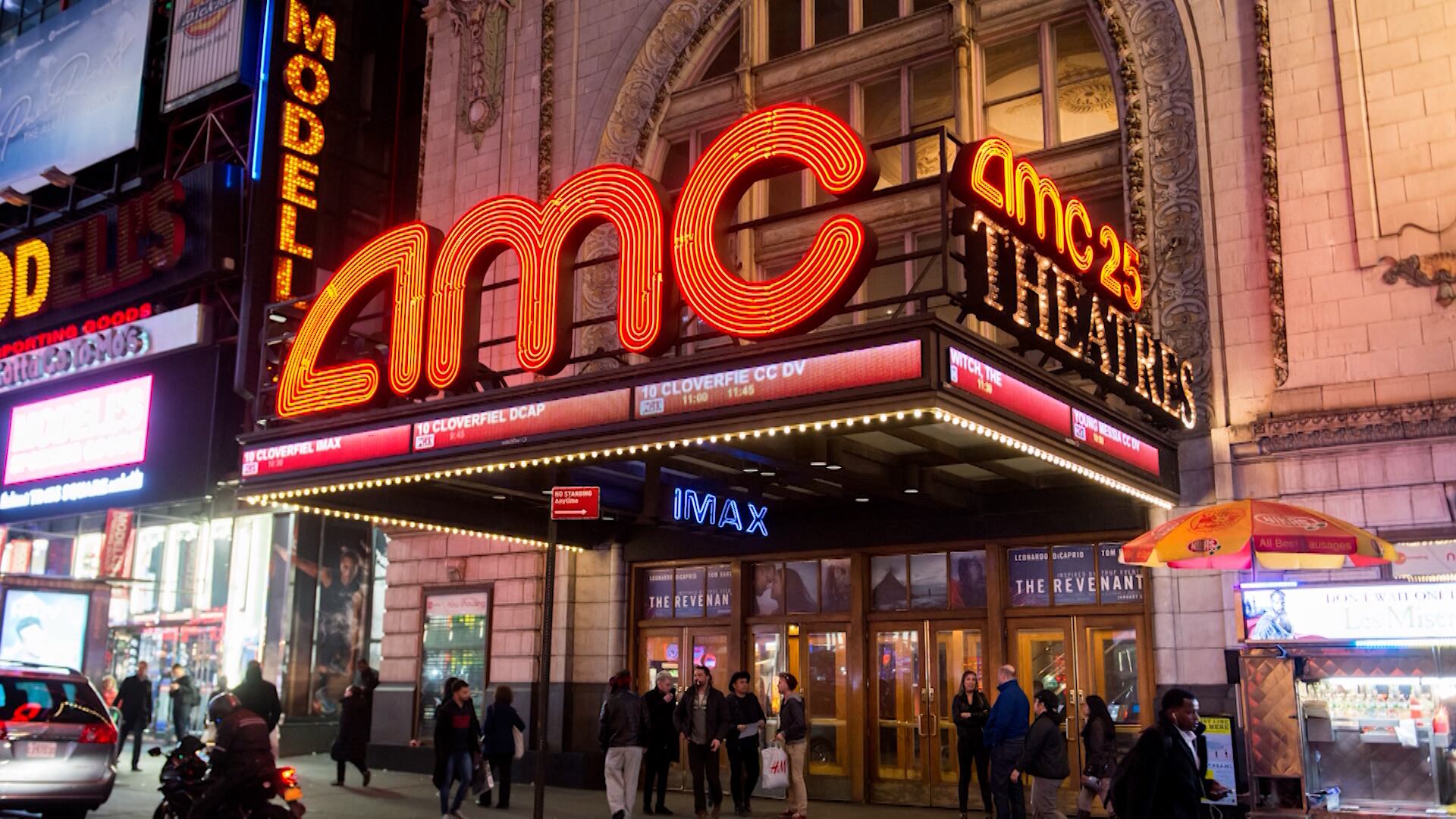
October was a great month for movies, as it's set to bring in more than $600 million this month, according to Comscore. Thanks to big hits like Venom 2, No Time to Die, Halloween Kills, Dune, and The Addams Family 2, October is expected to be the best month since the pandemic began in regards to combined domestic ticket sales. Mark Sebastian, CIO of Karman Line Capital, explains why October wasn't just a fluke for movie theaters. He also gives a look at AMC stock as the chain is set to report its third quarter earnings on November 8.
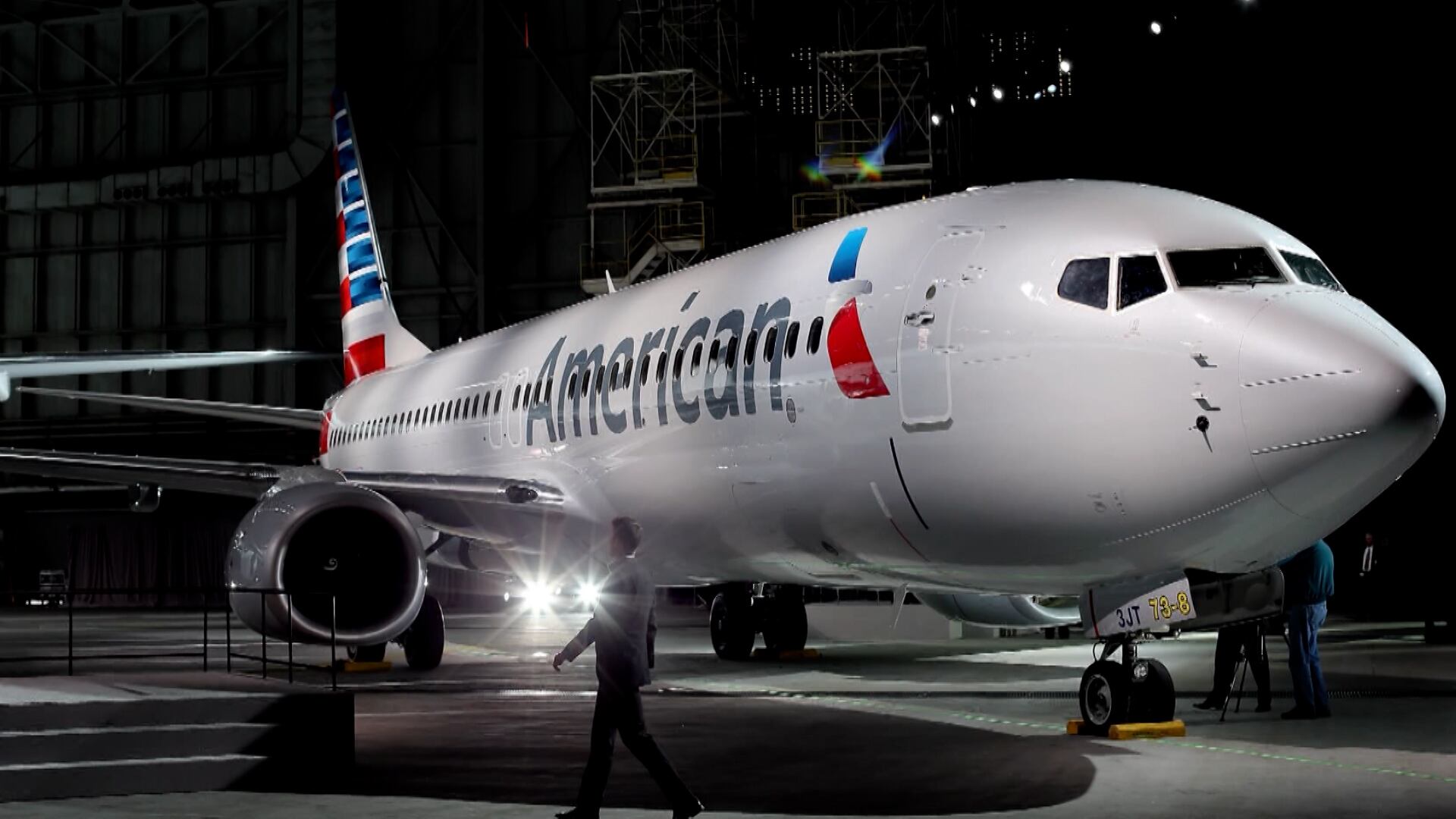
Michael Boyd, CEO of aviation consultancy Boyd Group International, joined Cheddar to discuss recent mass flight cancellations by airlines like American and Southwest. Boyd noted that the usually efficient hub and spoke system left American Airlines vulnerable to the weather event in Dallas-Fort Worth and staffing shortages. He also said that while planning trips in the current climate can be unnerving, problems like weather delays are just part of the flying experience.
Christian Kroll, CEO of Ecosia, joins 'Fast Forward' to discuss how Ecosia uses its ad revenue to plant trees, and what the company plans to do after launching a $405 million venture capital fund focused on combating the climate crisis.
Guy Hirsch, USA managing director and head of NFT at eToro, joined Cheddar to discuss the evolution of bitcoin into the mainstream 13 years after the white paper from the presumed pseudonym Satoshi Nakamoto was published. Hirsch said there were several groundbreaking moments for the cryptocurrency, starting with the financial crisis of 2008, noting that people began seeking a solution to protect wealth, and bitcoin "gave people the confidence that it is an immutable ledger that no one can really hack or interfere with."
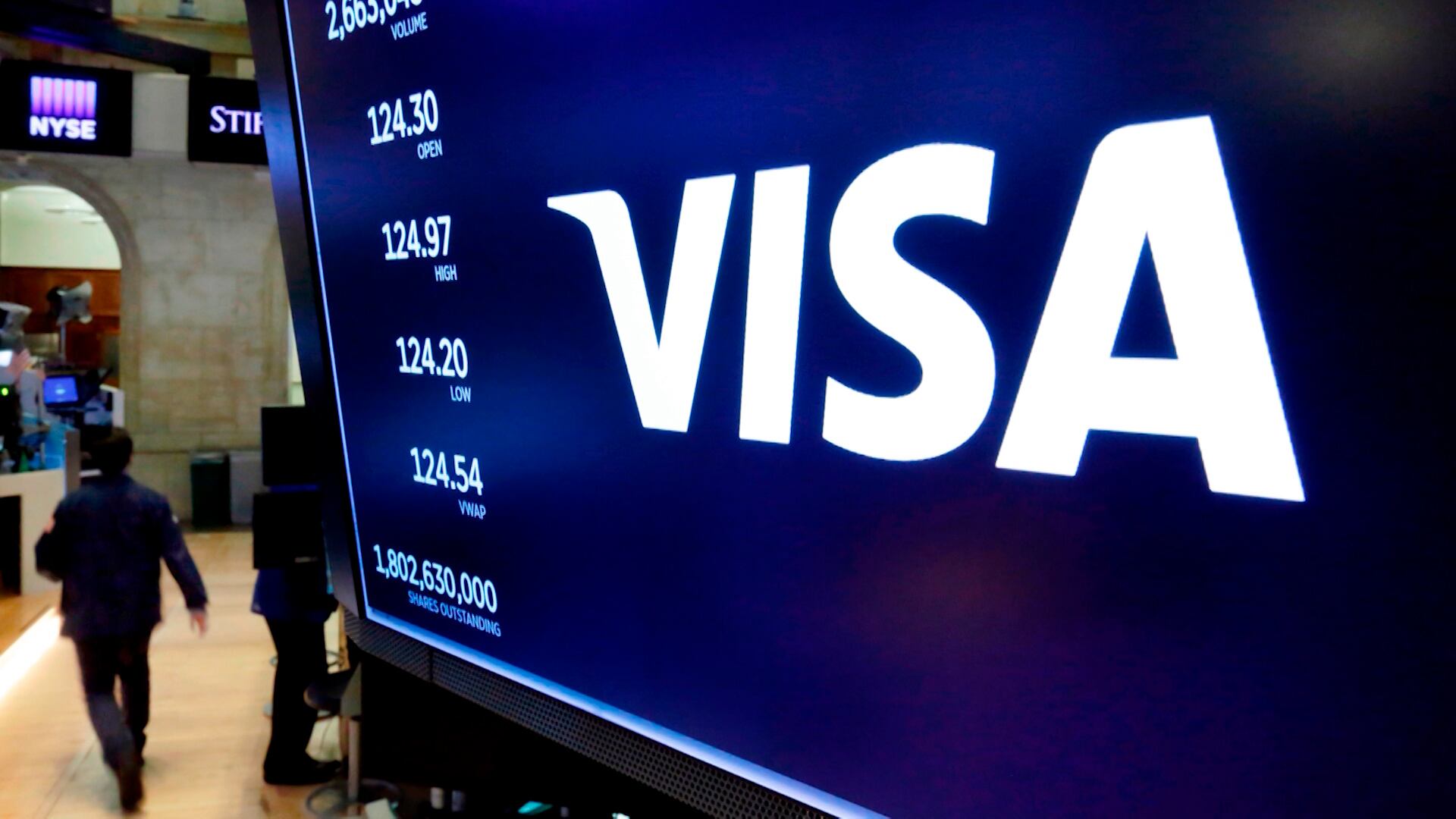
Visa CFO Vasant Prabhu, joined Cheddar's "Closing Bell" to talk about the financial service company's prediction that a full economic recovery from the pandemic won't happen until summer 2023 based on travel-related sources. Prabhu noted that a big question mark for the recovery is when Asia reopens for travel but "anything's possible" and the recovery could still end up going faster than anticipated.