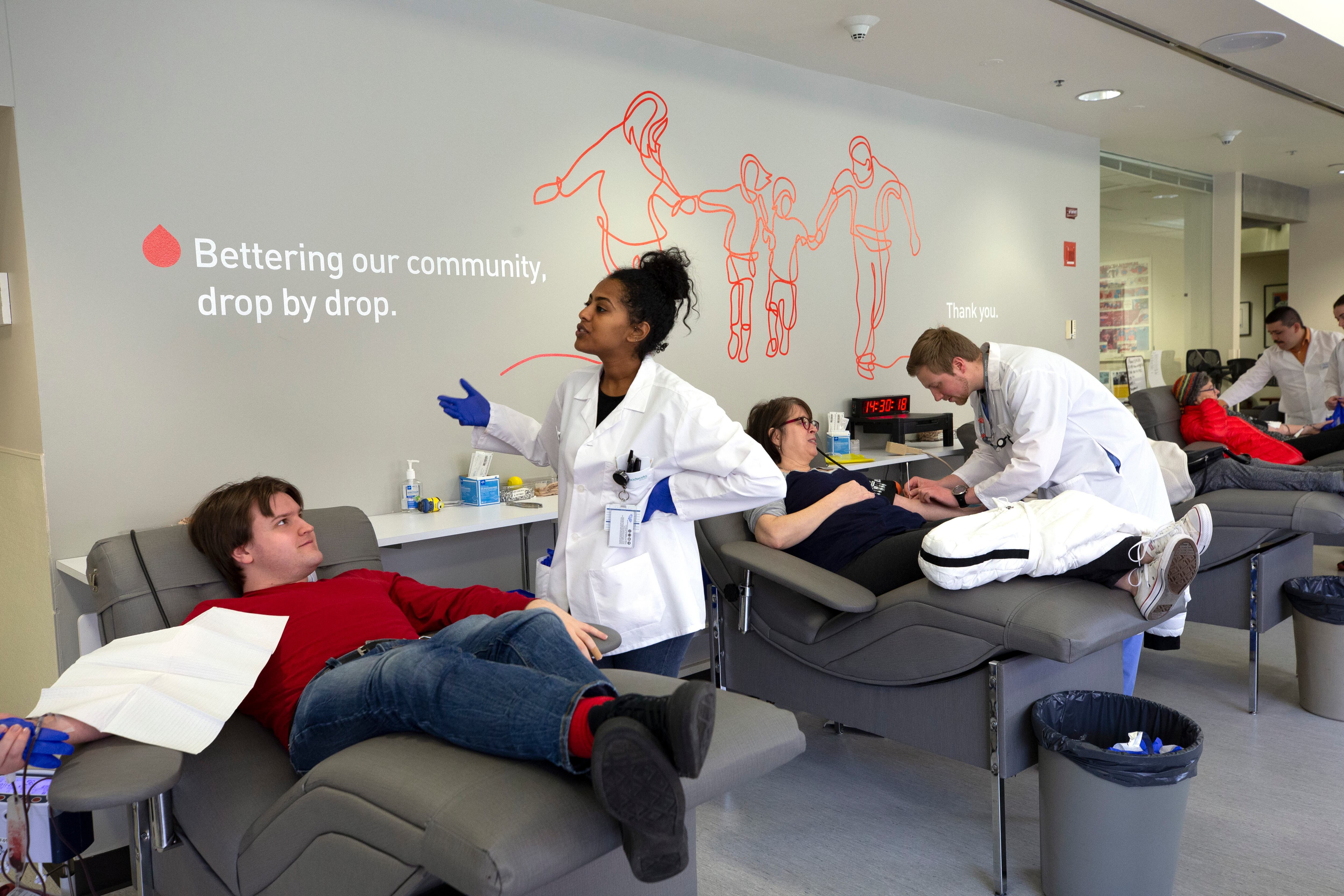
Alex Vance (L) speaks with medical assistant Lydia Rezene as he donates blood at Bloodworks Northwest on March 17, 2020 in Seattle, Washington. Schools provide 25 percent of local blood donations and their closing due to the coronavirus (COVID-19) outbreak has officials worried the region could see a shortage. (Photo by Karen Ducey/Getty Images)
Americans capable, willing, and able to donate blood are encouraged to do so during an era of social distancing.
"Social distancing doesn't have to mean social disengagement," U.S. Surgeon General Dr. Jerome Adams said during the Coronavirus Task Force briefing on Thursday, warning of blood shortages.
American Red Cross Senior Vice President Paul Sullivan told Cheddar he's concerned about an already low blood supply in the U.S., compounded by a recent wave of coronavirus-inspired blood drive cancellations, numbering more than 5,000 drives resulting in some 170,000 fewer donations.
Sullivan said he still plans to continue donating.
However, the Red Cross is changing its normal precautions in response to coronavirus concerns. Sullivan told Cheddar those new precautions include temperature checks before entering the donation space and changing gloves between each collection.
Surgeon General Adams also explained beds are six feet apart and staff members are disinfecting surfaces more often.
"So give blood today. You'll feel good about it, and you'll be helping your country and community during this crisis. And you might even save a life," he said.
Red blood cells only have a shelf life of 42 days and platelets just 5 days, so blood donations must continue in order to continue vital medical procedures to keep people alive.
"As this progresses, the way it will challenge our healthcare system … it will be just that — it will be very challenging," Sullivan warned. "No one gets a transfusion if they don't need it. We don't want to put the medical community in a situation where they have to pick who gets blood and who doesn't."
Nick Bailey, president, and CEO at Re/Max, LLC joined Cheddar News to talk about the company's strong Q4 earnings results and the tight real estate market overall. "Real estate has continued to be a very strong sector, and coming into '22, we're already seeing the spring selling season be accelerated because of such high buyer demand," he said. "Buyers thinking that interest rates could fluctuate and go up even more are wanting to be in the market sooner than later."
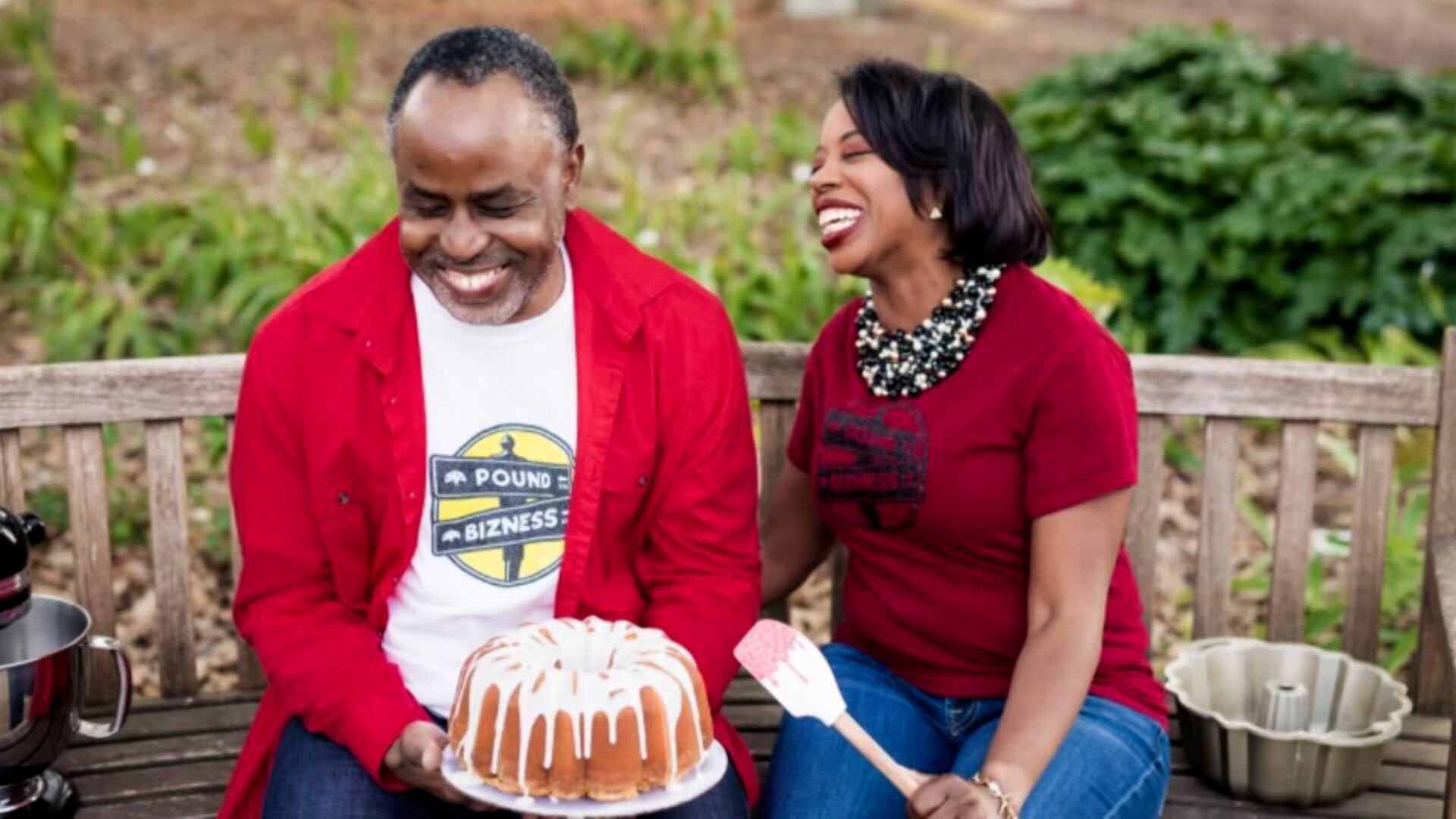
Nicole Borders, Co-owner of Pound Bizness, joins ChedHER to discuss the story behind her business and the support it's received, along with advice for other 'couplepreneurs' out there.
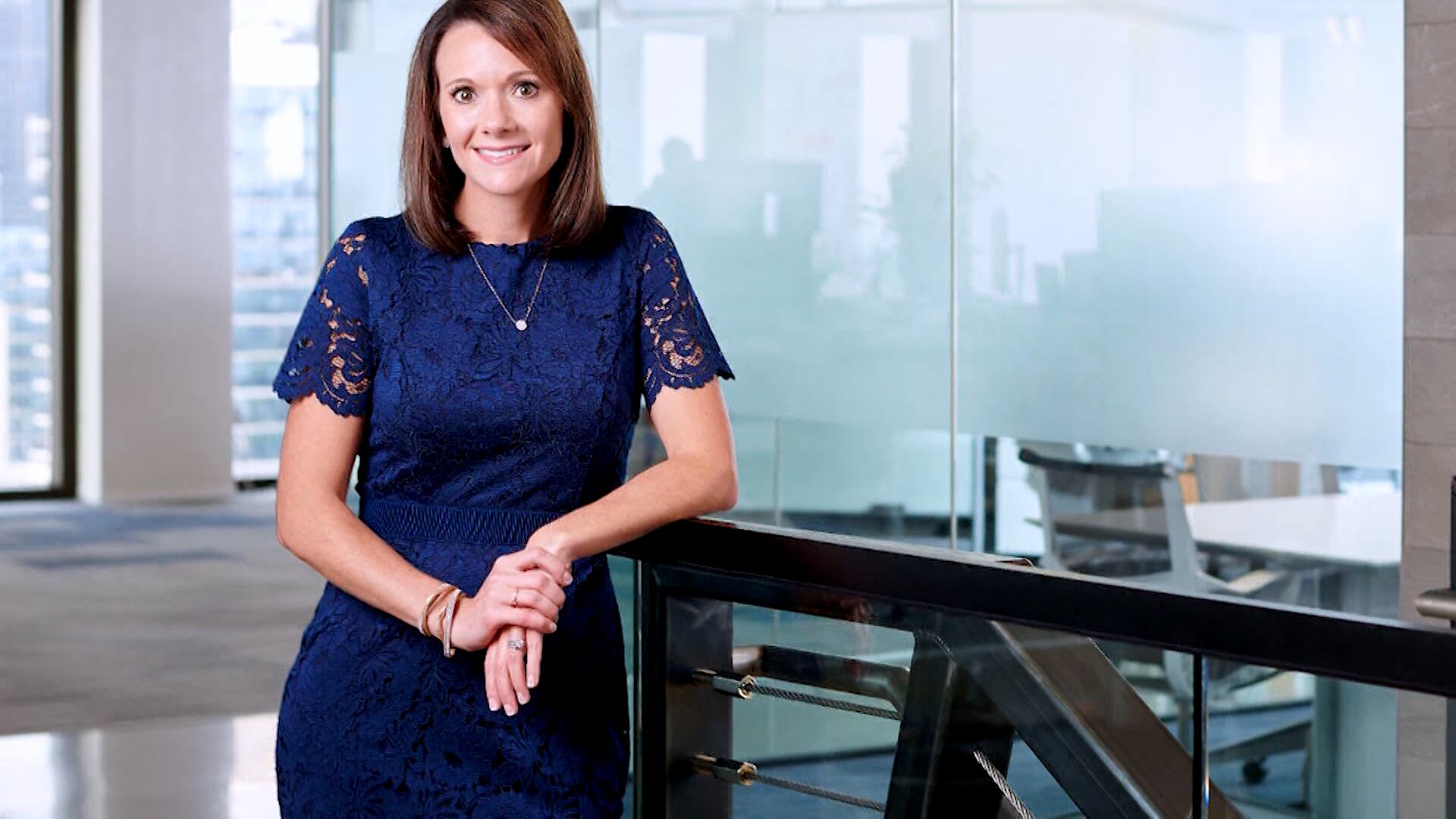
Emily Dalton Smith, Vice President of Product Management and Social Impact at Meta, joins ChedHER to discuss how she's leading the way for social impact in the Metaverse.
Jadee Hanson, CIO and CISO at Code42, joins ChedHER to discuss what to look out for in the world of cybersecurity in 2022, and why a diverse workforce is so critical in this industry.
A still-unidentified attacker was able to steal 254 tokens from 17 traders who held their NFTs on the OpenSea marketplace. Cheddar's Alex Vuocolo takes a close look at how the crypto community is responding.
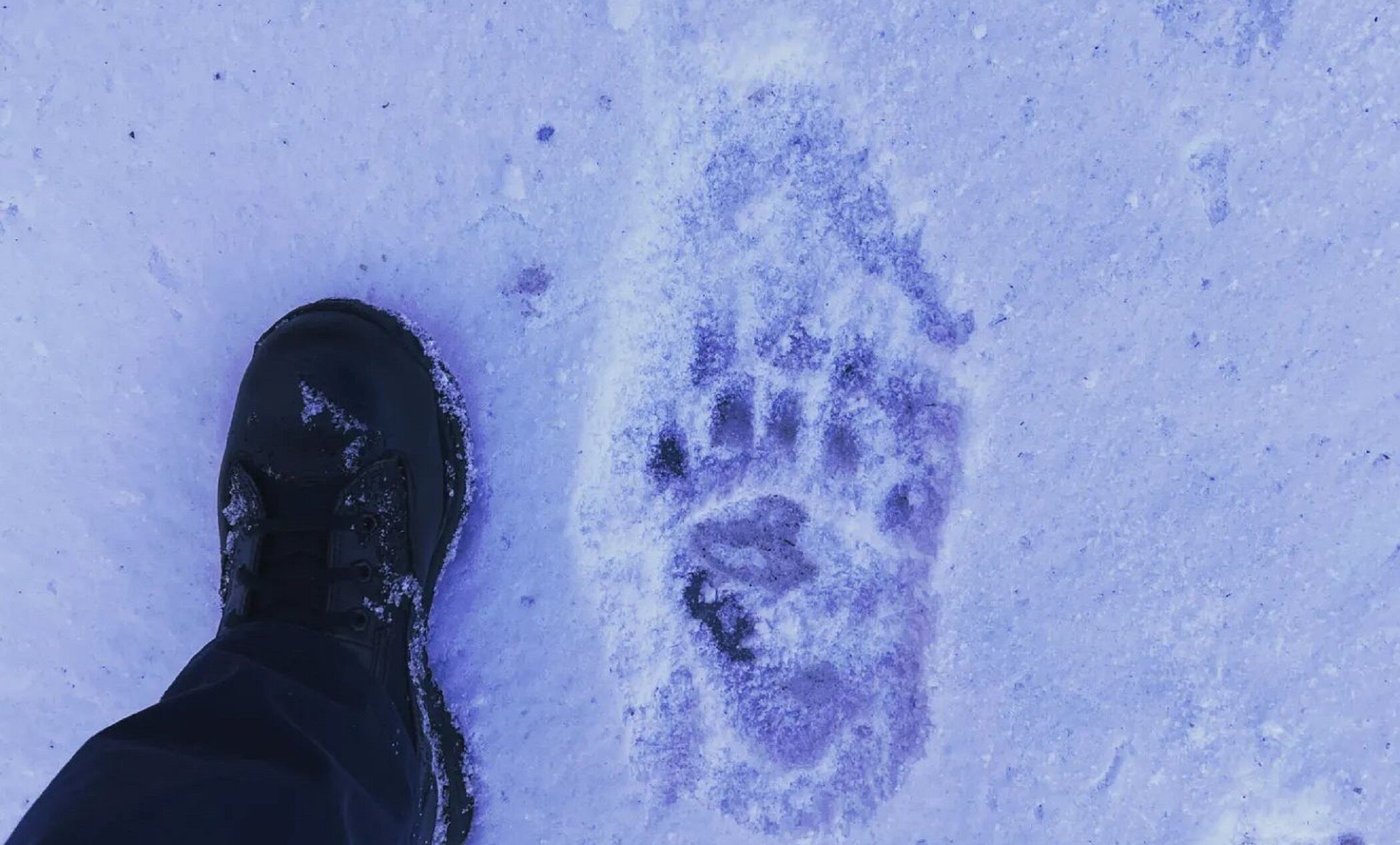
DNA evidence now shows that the 500-pound black bear the public had nicknamed “Hank the Tank” is, in fact, three not-so-little bears who have damaged more than 30 properties around Lake Tahoe in recent months.
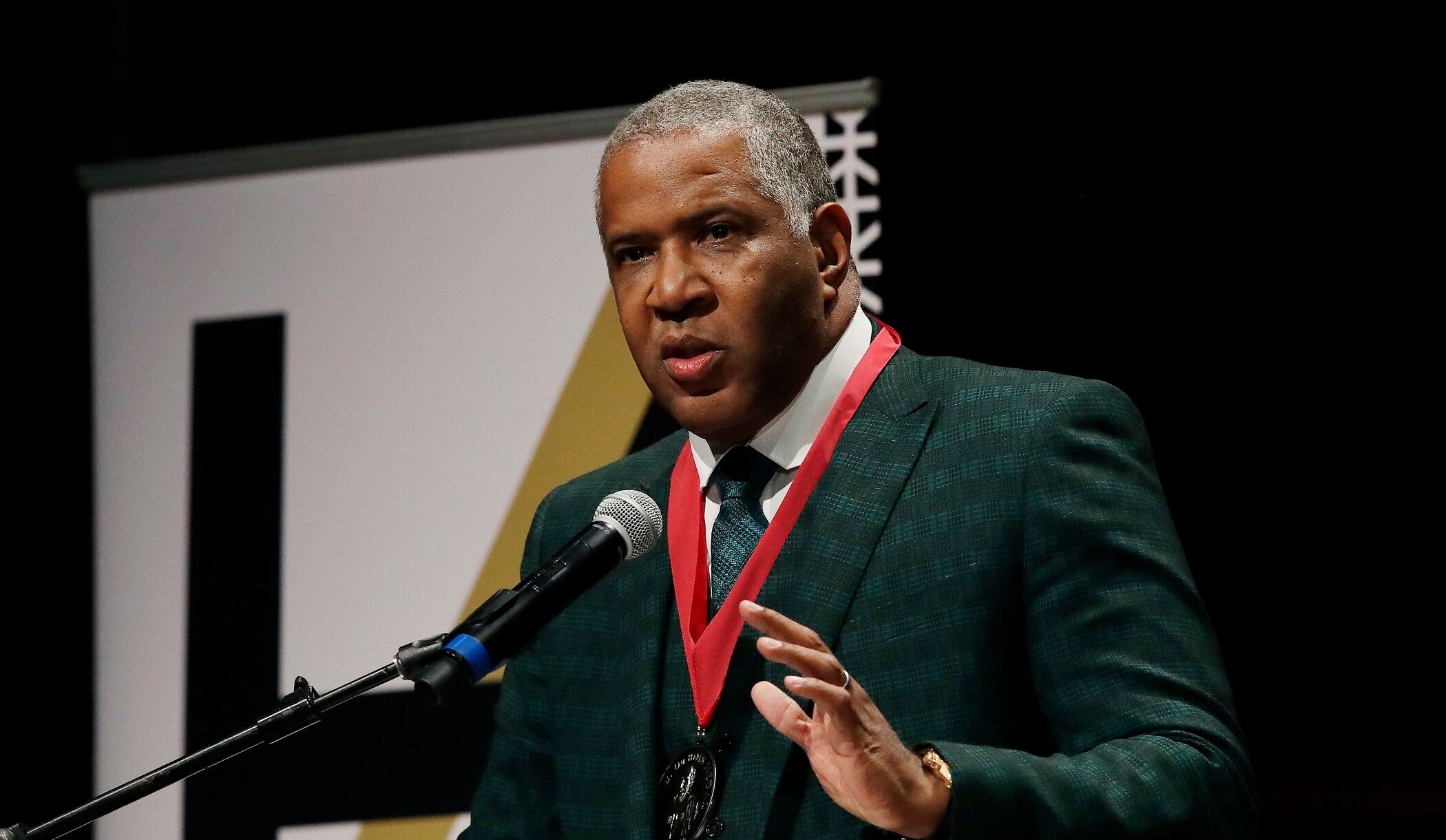
As we celebrate Black History Month, Cheddar is highlighting prominent Black Americans who are carving their own historic paths and trailblazing in their fields. Today we feature billionaire philanthropist Robert Smith.
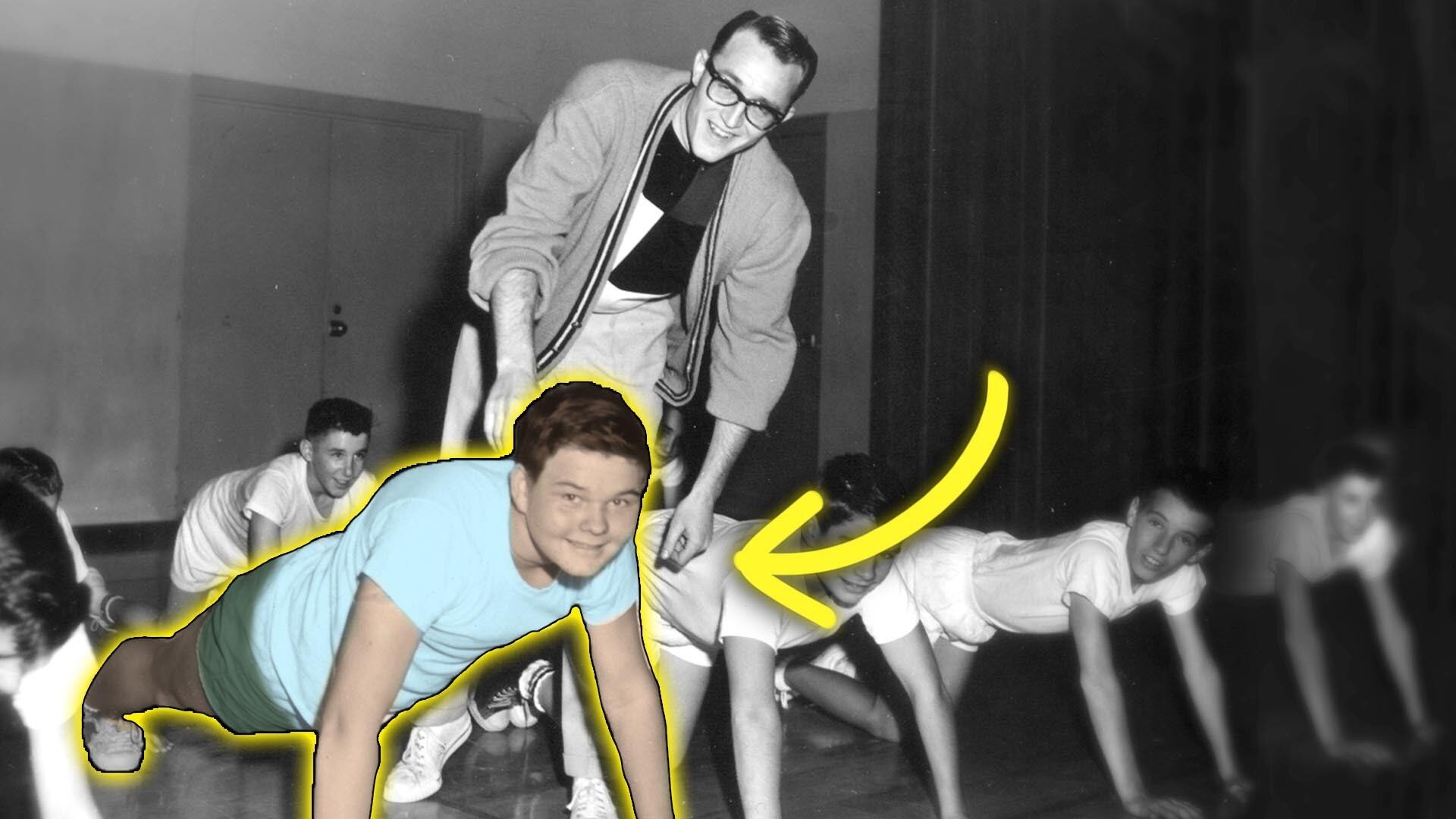
Physical education classes are declared compulsory in 97% of the world’s countries. Here in the U.S, it employs over 20,000 people. It’s a standard part of schooling that, when you think about it, feels out of place. But just over 100 years ago, gym class was a rarity. So what changed? And should we have it at all?