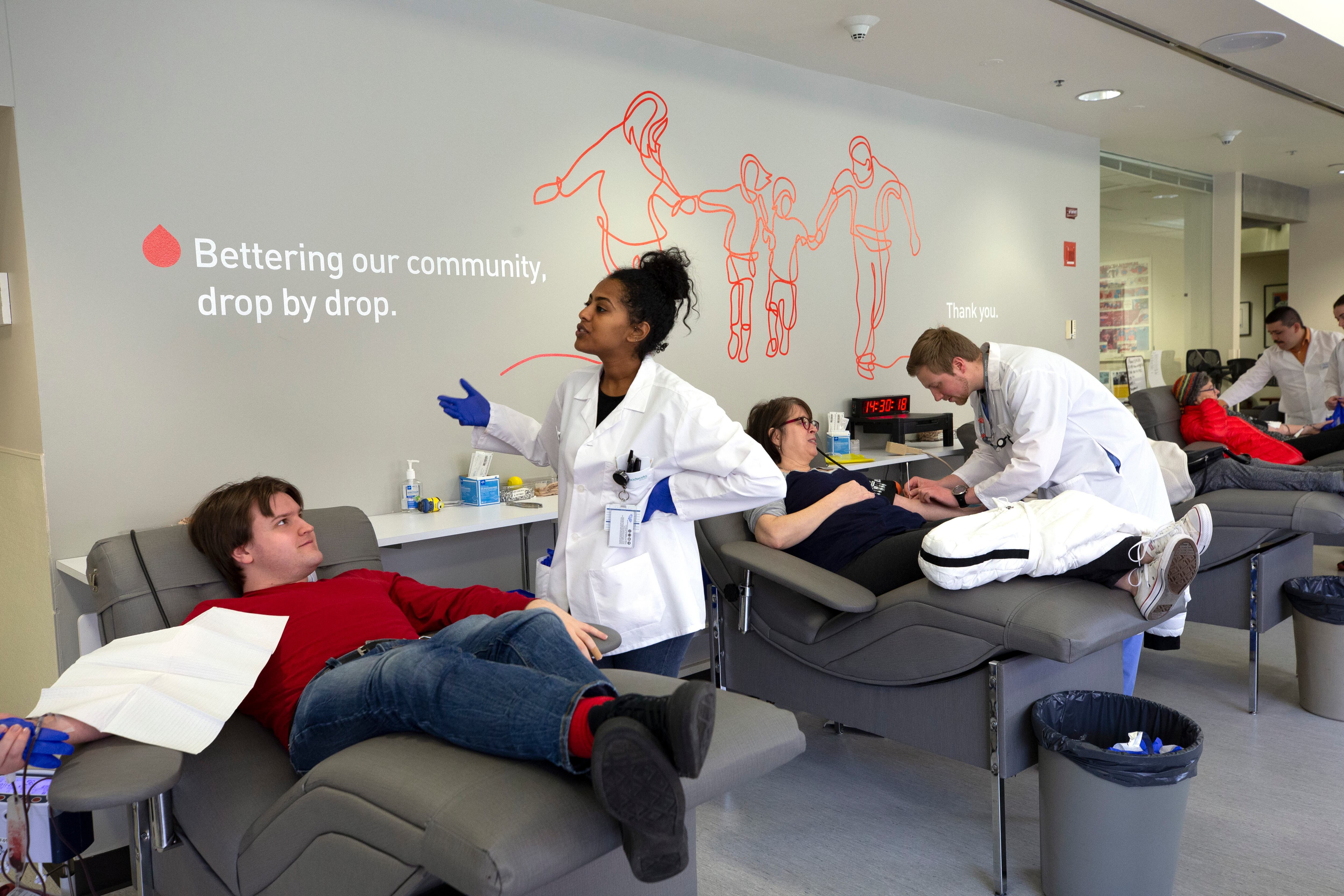
Alex Vance (L) speaks with medical assistant Lydia Rezene as he donates blood at Bloodworks Northwest on March 17, 2020 in Seattle, Washington. Schools provide 25 percent of local blood donations and their closing due to the coronavirus (COVID-19) outbreak has officials worried the region could see a shortage. (Photo by Karen Ducey/Getty Images)
Americans capable, willing, and able to donate blood are encouraged to do so during an era of social distancing.
"Social distancing doesn't have to mean social disengagement," U.S. Surgeon General Dr. Jerome Adams said during the Coronavirus Task Force briefing on Thursday, warning of blood shortages.
American Red Cross Senior Vice President Paul Sullivan told Cheddar he's concerned about an already low blood supply in the U.S., compounded by a recent wave of coronavirus-inspired blood drive cancellations, numbering more than 5,000 drives resulting in some 170,000 fewer donations.
Sullivan said he still plans to continue donating.
However, the Red Cross is changing its normal precautions in response to coronavirus concerns. Sullivan told Cheddar those new precautions include temperature checks before entering the donation space and changing gloves between each collection.
Surgeon General Adams also explained beds are six feet apart and staff members are disinfecting surfaces more often.
"So give blood today. You'll feel good about it, and you'll be helping your country and community during this crisis. And you might even save a life," he said.
Red blood cells only have a shelf life of 42 days and platelets just 5 days, so blood donations must continue in order to continue vital medical procedures to keep people alive.
"As this progresses, the way it will challenge our healthcare system … it will be just that — it will be very challenging," Sullivan warned. "No one gets a transfusion if they don't need it. We don't want to put the medical community in a situation where they have to pick who gets blood and who doesn't."
Lonely Planet is looking to provide tech-savvy travelers with the building blocks to plan their own trips in a new travel experience series. Sebastian Modak, editor-at-large for Lonely Planet, joined Cheddar News to discuss its travel planning innovation. "We’re really offering new perspectives on these places and new approaches to experiencing them," Modak said.
Dubbed the "Ethereum Killer," Solana is known for its super-fast, low-cost transactions, which has proven attractive to defi companies looking to scale up quickly.
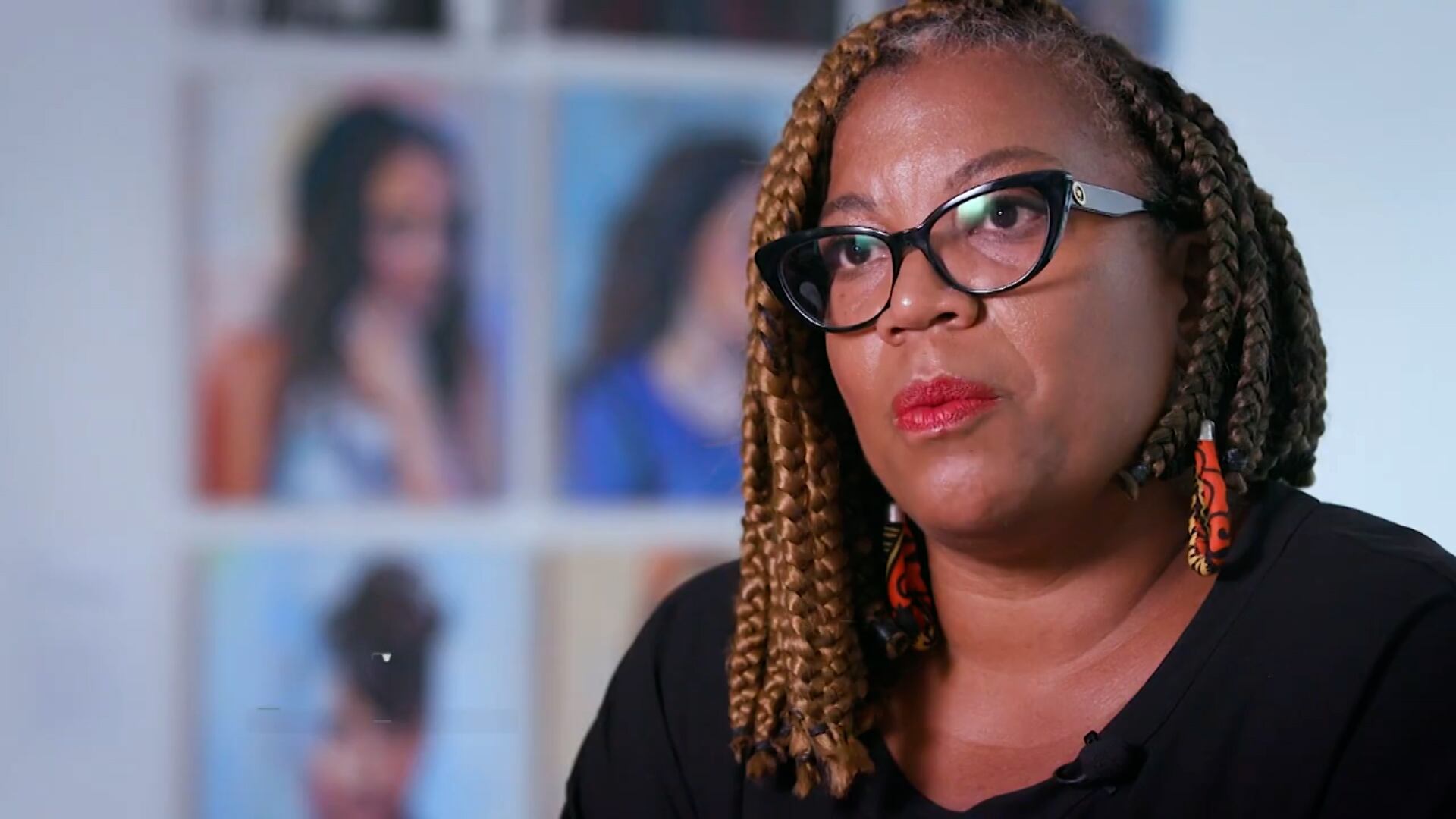
Chanda Smith Baker, Chief Impact Officer & SVP at The Minneapolis Foundation, joins ChedHER to discuss how the foundation is driving action for the greatest civic, social, and economic needs and gives advice for others seeking a career in the nonprofit industry.
Stax Payments recently announced a $245 million funding round. Suneera Madhani, CEO and Founder of Stax Payments and Host and Producer of 'CEO School' the podcast, joins ChedHER to discuss how to get more female founders to break $1 million in revenue.
Dr. Kat Cohen, Founder and CEO of IvyWise, talks about how the higher education industry has evolved over the past 20 years, and what to consider as the college decision deadline approaches.
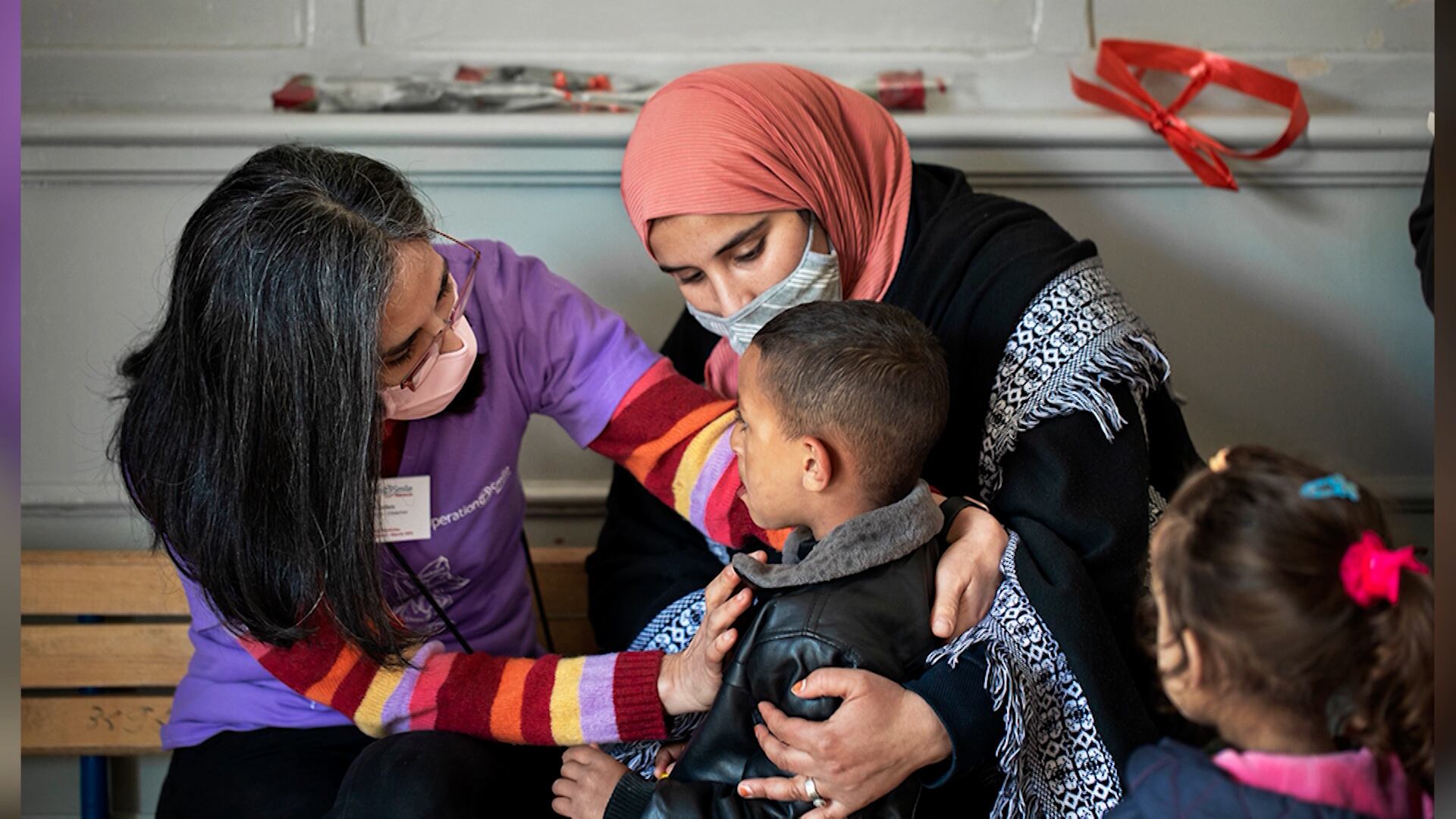
An estimated five billion people lack access to affordable and safe surgical care around the world. For World Health Day, Cheddar News spoke with Kristie Magee Porcaro of Operation Smile, a nonprofit organization assisting with cleft lip and palate surgeries, about how they work to better it around the globe.
Ketanji Brown Jackson was confirmed to the U.S. Supreme Court, House Speaker Nancy Pelosi has COVID< and Miami has outdone itself with a shiny crypto bull. Here is all the news you Need2Know for Friday, April 8, 2022.
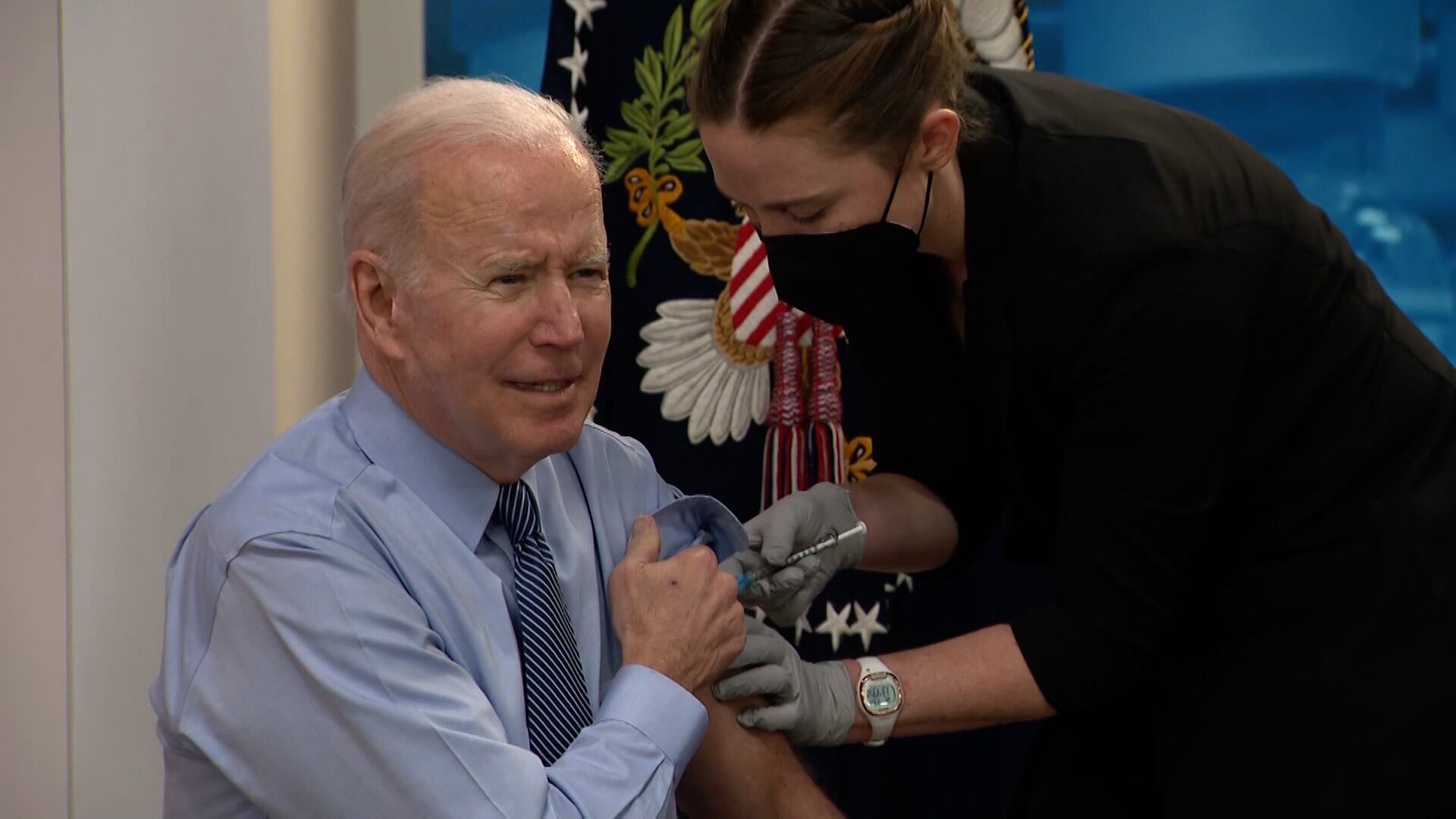
There has been notable disagreement in the medical community about a fourth COVID-19 vaccine dose. The FDA last week authorized a second booster dose for older and immunocompromised individuals, as some agency officials did not support the idea. The FDA made the decision without meeting with its advisory committee, as it had ahead of its recommendations on the previous COVID-19 vaccine doses.
The CDC followed in the footsteps of the FDA and authorized a fourth dose as well. Reports say the agency also did not discuss the move with its own advisory team of vaccine experts. Now, a growing number of doctors are speaking out against the decisions - leaving people confused about whether they should get another vaccine dose. Dr. Julie Morita, a member of the CDC's advisory committee to the director, and the executive vice president of the Robert Wood Johnson Foundation, joins Cheddar News' Closing Bell to discuss.