Once seen by politicians as a tool to tackle issues, Capitol Hill is finding out that technology could be a double-edged sword with unintended consequences. Cecilia Kang, National Technology Correspondent at The New York Times, joined to take a closer look at the crossroads between politics and Silicon Valley.
Kang discussed why the Democrats became sour on Silicon Valley. She said the 2016 election was the start of a journey for the Democratic party to evaluate the role of technology companies in the spread of information. Kang added that they wanted to investigate whether social media companies were good or potentially harmful for democracy. When the shock wore off from the election results, they wanted to look into what was behind the outcome.
Are Democrats just trying to find something else to blame for election results they aren’t happy with? Kang pointed out that social media companies themselves have acknowledged that they did play a role in the election. This is evident in the newsfeed algorithm changes implemented by Facebook. The company is now placing a heavier emphasis on content from friends and family opposed to content from publishers.
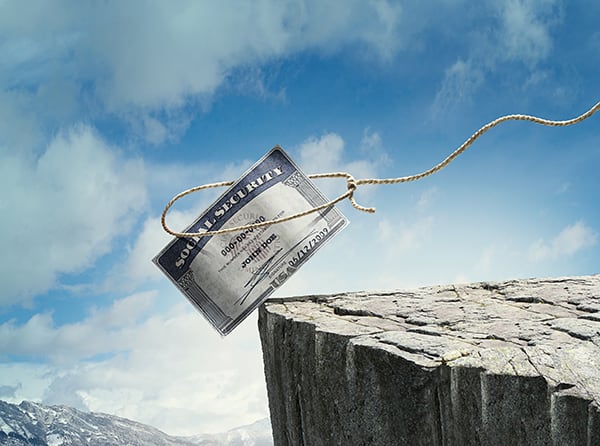
According to the 2024 Acorns Money Matters Report, nearly a quarter of Americans are worried they could become homeless – and don’t know how easy it is to save.
Even with inflation slightly higher than the Federal Reserve's 2% goal, still expect the central bank to cut rates three times this year, Cetera's CIO says.
Brian Goodman from Global Matrix Group talks with Dave Briggs about the future of sports betting online and how the popular pastime will evolve. Watch!
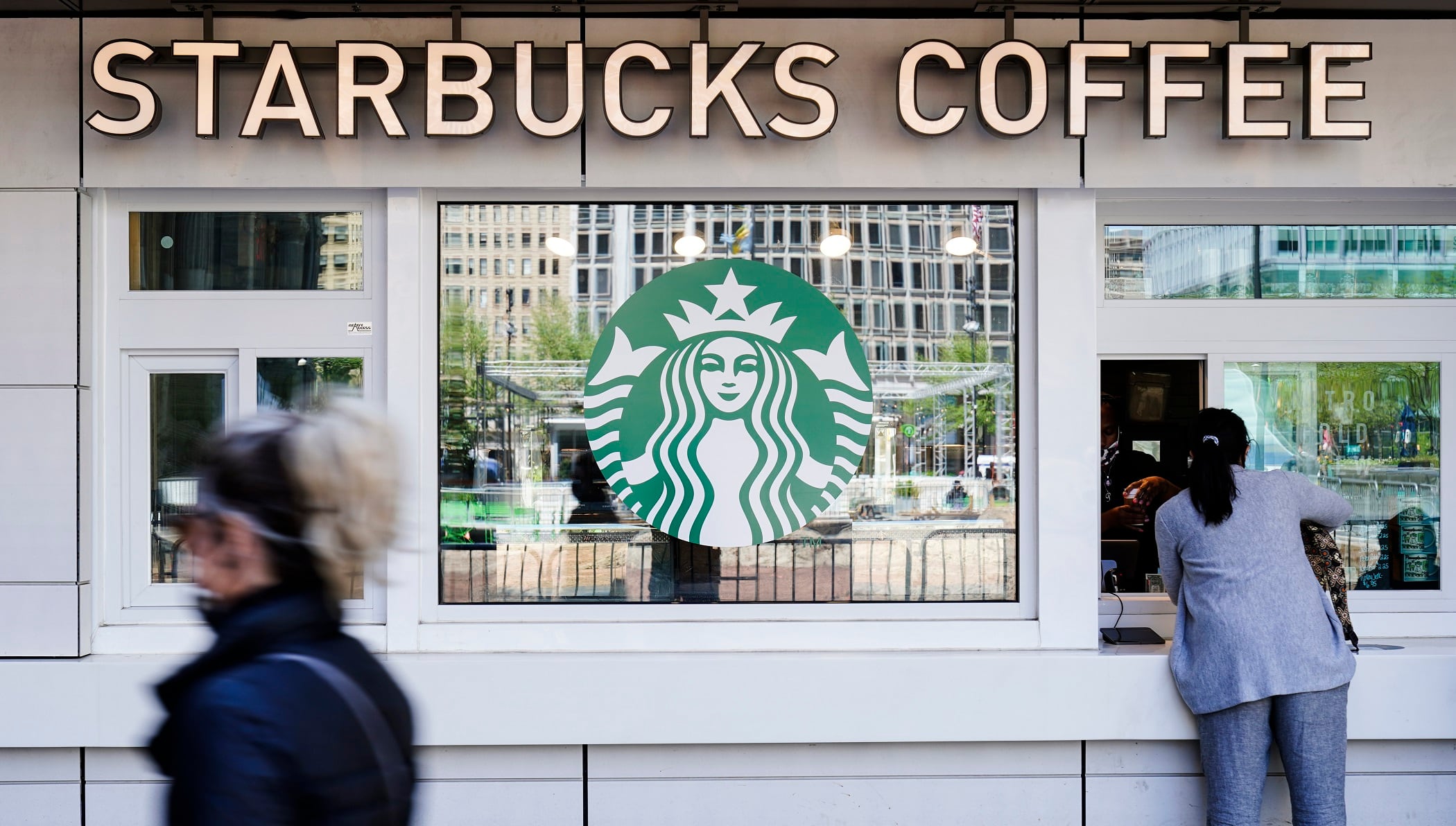
For decades, it’s been a trope: you can find a Starbucks on every corner. But proximity is no guarantee of long-term success, even in the coffee industry.
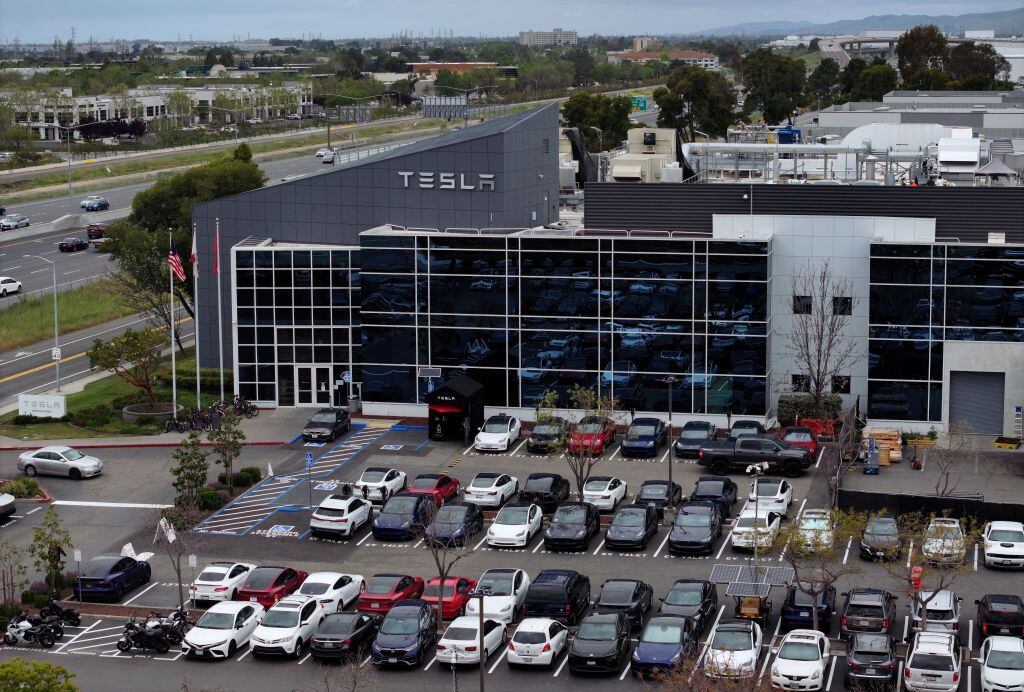
Tesla is being investigated for allegedly misleading investors about its self-driving capabilities. And one analyst says the company 'needs' that tech to grow.