Once seen by politicians as a tool to tackle issues, Capitol Hill is finding out that technology could be a double-edged sword with unintended consequences. Cecilia Kang, National Technology Correspondent at The New York Times, joined to take a closer look at the crossroads between politics and Silicon Valley.
Kang discussed why the Democrats became sour on Silicon Valley. She said the 2016 election was the start of a journey for the Democratic party to evaluate the role of technology companies in the spread of information. Kang added that they wanted to investigate whether social media companies were good or potentially harmful for democracy. When the shock wore off from the election results, they wanted to look into what was behind the outcome.
Are Democrats just trying to find something else to blame for election results they aren’t happy with? Kang pointed out that social media companies themselves have acknowledged that they did play a role in the election. This is evident in the newsfeed algorithm changes implemented by Facebook. The company is now placing a heavier emphasis on content from friends and family opposed to content from publishers.
Stocks opened lower after the opening bell and on track for its first decline in 10 days after a recent winning streak.
Tesla drivers in the U.S. were in more accidents than drivers of any other car brand this year, according to a study.
The promise of self-checkout was alluring: Customers could avoid long lines by scanning and bagging their own items, workers could be freed of doing those monotonous tasks themselves and retailers could save on labor costs.
Monsanto was ordered to pay $857 million to students and parent volunteers at a Washington school.
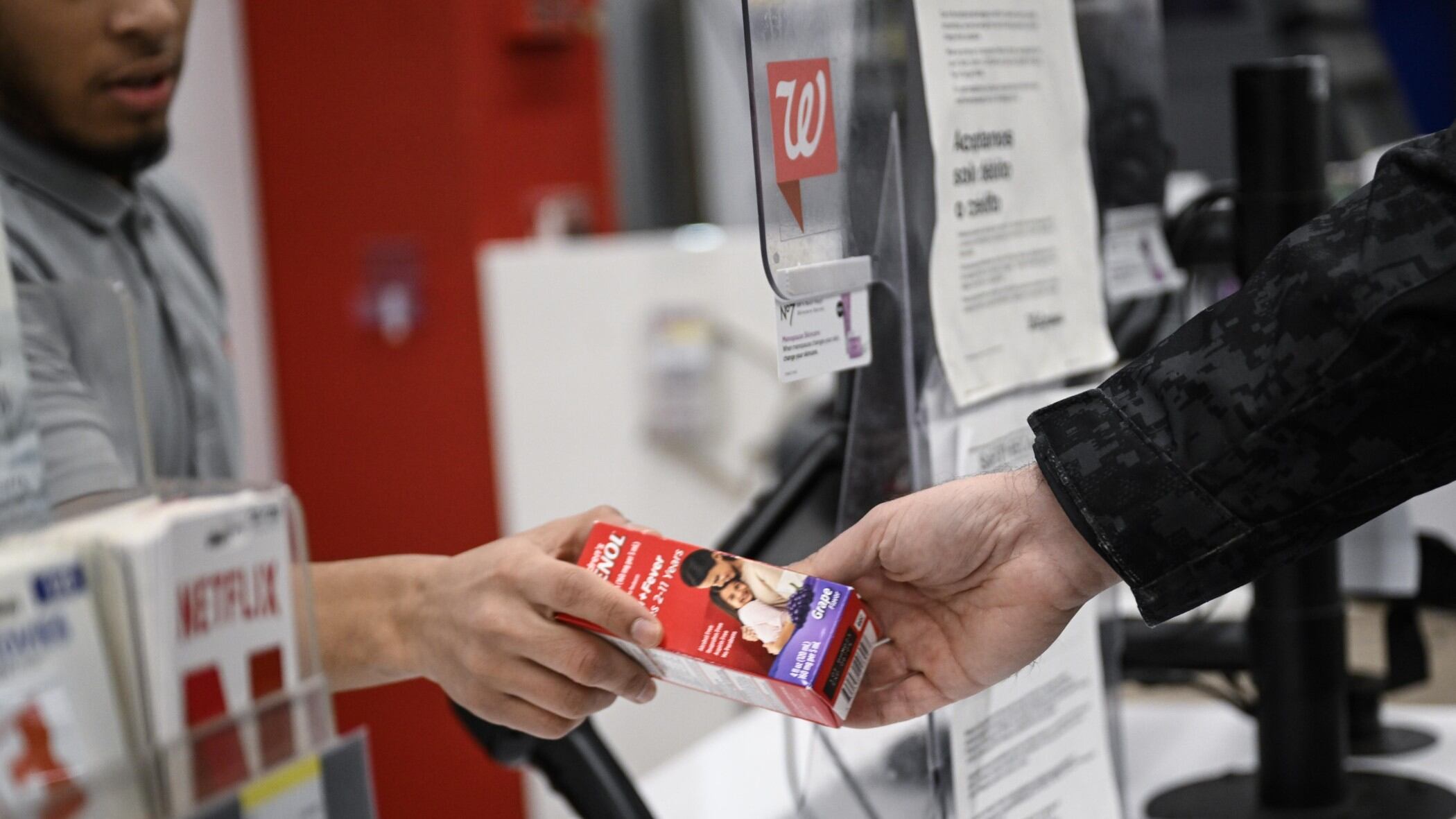
A federal judge has struck down hundreds of lawsuits filed against the makers of Tylenol and generic acetaminophen.
California regulators are preparing to vote on new rules for turning recycled wastewater into drinking water.
Hackers accessed Xfinity customers’ personal information by exploiting a vulnerability in software used by the company, the Comcast-owned telecommunications business announced this week.
Some folks want to leave the cold for a quick getaway. Bobby Laurie, travel expert, joined Cheddar News to provide tips on how and when to look for a winter escape.
Julia Pollak, chief economist with ZipRecruiter, joined Cheddar News to provide tips on navigating a job loss and explain the benefits of working with a recruiter to find new employment.
A pair of sneakers that were made for director Spike Lee sold for more than $50,000 at auction.