Once seen by politicians as a tool to tackle issues, Capitol Hill is finding out that technology could be a double-edged sword with unintended consequences. Cecilia Kang, National Technology Correspondent at The New York Times, joined to take a closer look at the crossroads between politics and Silicon Valley.
Kang discussed why the Democrats became sour on Silicon Valley. She said the 2016 election was the start of a journey for the Democratic party to evaluate the role of technology companies in the spread of information. Kang added that they wanted to investigate whether social media companies were good or potentially harmful for democracy. When the shock wore off from the election results, they wanted to look into what was behind the outcome.
Are Democrats just trying to find something else to blame for election results they aren’t happy with? Kang pointed out that social media companies themselves have acknowledged that they did play a role in the election. This is evident in the newsfeed algorithm changes implemented by Facebook. The company is now placing a heavier emphasis on content from friends and family opposed to content from publishers.
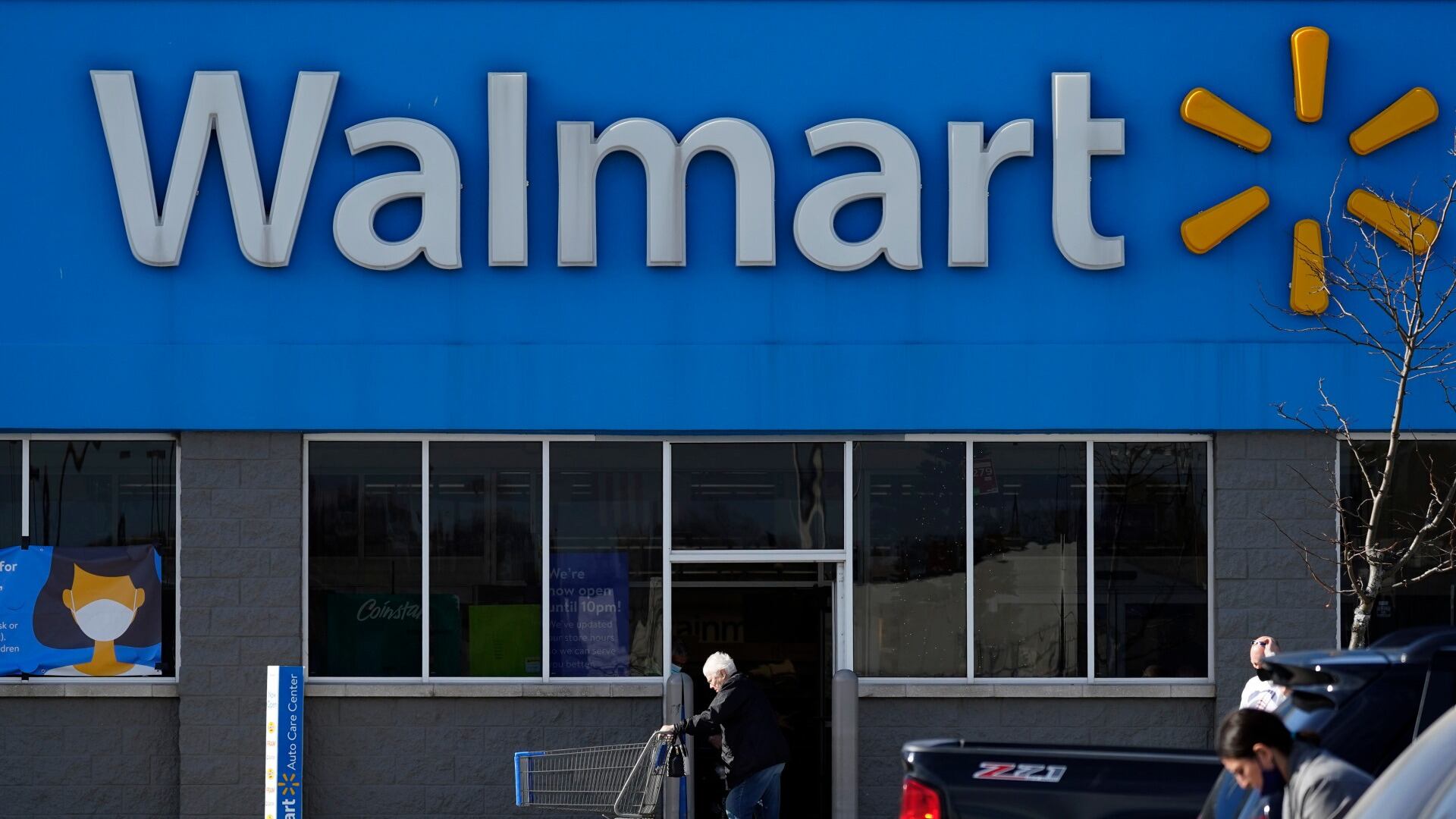
Walmart Inc. is raising the starting base pay for store managers, while redesigning its bonus plan that will put more of an emphasis on profits for these leaders.
Despite concerns about shipping delays in the Red Sea, RSM Chief Economist Joe Brusuelas says there are still reasons to be optimistic about the state of the U.S. economy.
Dan Ives, Managing Director and Senior Equity Analyst at Wedbush Securities dives deeper into a report by the International Data Corporation (IDC) that Apple has ended Samsung's 12-year reign as the world's largest smartphone seller.
Artificial intelligence is the biggest buzzword at the World Economic Forum’s annual meeting in Davos. Advances in generative AI stunned the world last year, and the elite crowd is angling to take advantage of its promise and minimize its risks.
Smartphones could get much smarter this year as the next wave of artificial intelligence seeps into the devices that accompany people almost everywhere they go.
In an annual assessment of global inequalities, Oxfam International said the first trillionaire could emerge within the next decade — as the anti-poverty organization pointed to the growing wealth gap that skyrocketed globally during the pandemic.
The Biden administration proposed a cost drop for overdrawing bank accounts, which it says could particularly relieve Americans living paycheck to paycheck.