Once seen by politicians as a tool to tackle issues, Capitol Hill is finding out that technology could be a double-edged sword with unintended consequences. Cecilia Kang, National Technology Correspondent at The New York Times, joined to take a closer look at the crossroads between politics and Silicon Valley.
Kang discussed why the Democrats became sour on Silicon Valley. She said the 2016 election was the start of a journey for the Democratic party to evaluate the role of technology companies in the spread of information. Kang added that they wanted to investigate whether social media companies were good or potentially harmful for democracy. When the shock wore off from the election results, they wanted to look into what was behind the outcome.
Are Democrats just trying to find something else to blame for election results they aren’t happy with? Kang pointed out that social media companies themselves have acknowledged that they did play a role in the election. This is evident in the newsfeed algorithm changes implemented by Facebook. The company is now placing a heavier emphasis on content from friends and family opposed to content from publishers.
iFit CEO Kevin Duffy shares how the company is bringing artificial intelligence-powered workouts to consumers, plus other fitness trends to be on the lookout for in 2024.
Macy’s is rejecting a $5.8 billion takeover offer from investment firms Arkhouse Management and Brigade Capital Management, saying they didn’t provide a viable financing plan. The firms offered $21 per share for the stock they don’t already own.
Sports Illustrated's employee union said in a statement that the layoffs would be a significant number and possibly all, of the NewsGuild workers represented.
CEO and founder of Pinstripes Dale Schwartz shares his thoughts on taking the company public, why they're set for growth this year, and why he's not concerned about inflation weighing on the restaurant sector.
With hype continuing to build for A.I. projects, expert insight on what companies seem poised to benefit, plus how it will impact the lives of everyday consumers.
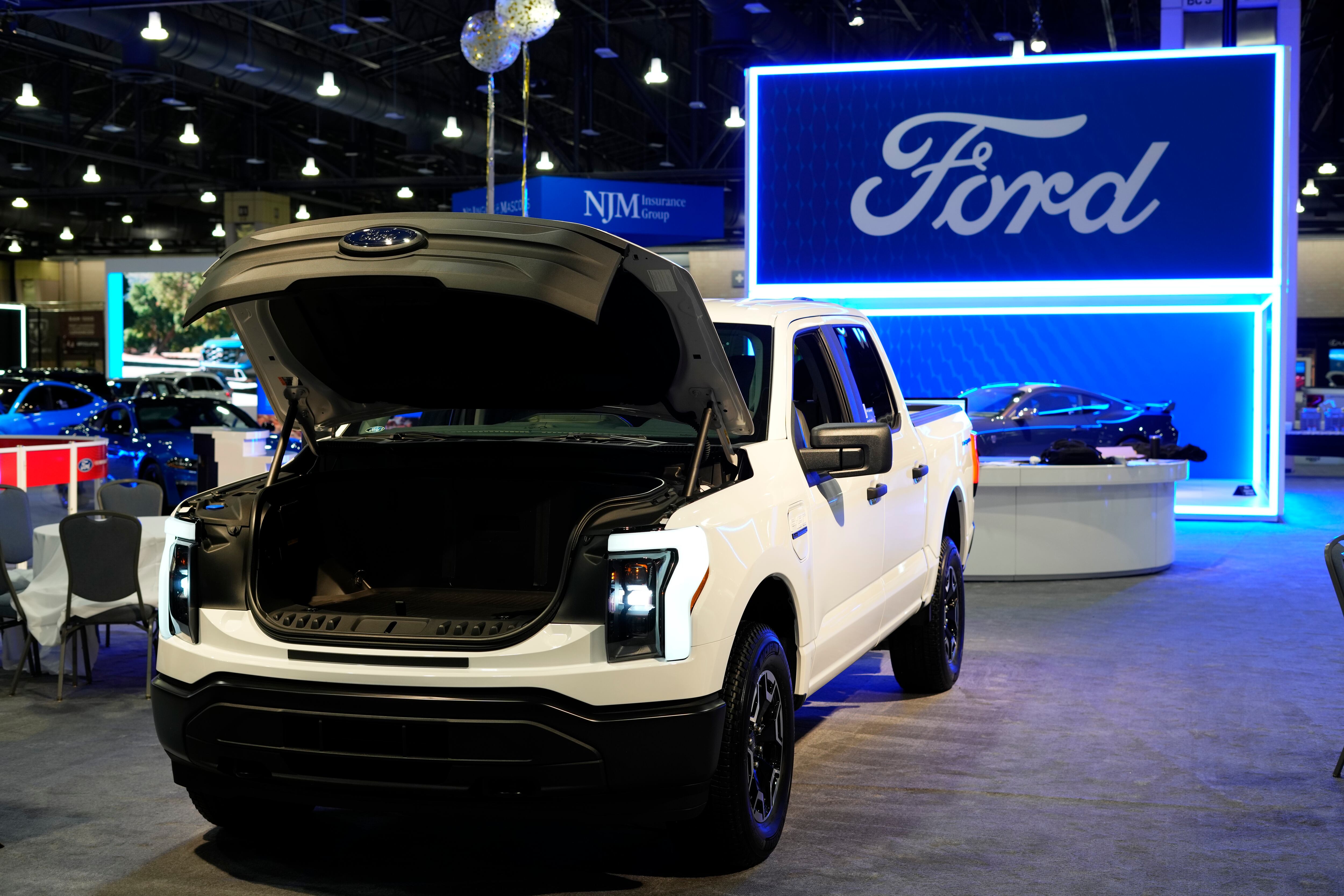
Ford says it’s reducing production of the F-150 Lightning electric pickup vehicle as it adjusts to weaker-than-expected electric vehicle sales growth. The automaker said about 1,400 workers will be impacted by the move.