Once seen by politicians as a tool to tackle issues, Capitol Hill is finding out that technology could be a double-edged sword with unintended consequences. Cecilia Kang, National Technology Correspondent at The New York Times, joined to take a closer look at the crossroads between politics and Silicon Valley.
Kang discussed why the Democrats became sour on Silicon Valley. She said the 2016 election was the start of a journey for the Democratic party to evaluate the role of technology companies in the spread of information. Kang added that they wanted to investigate whether social media companies were good or potentially harmful for democracy. When the shock wore off from the election results, they wanted to look into what was behind the outcome.
Are Democrats just trying to find something else to blame for election results they aren’t happy with? Kang pointed out that social media companies themselves have acknowledged that they did play a role in the election. This is evident in the newsfeed algorithm changes implemented by Facebook. The company is now placing a heavier emphasis on content from friends and family opposed to content from publishers.
Alex McGrath, Chief Investment Officer at NorthEnd Private Wealth, discusses why the A.I. hype can’t power the market forever and how to position investments in the current market.
Paul Verna of Insider Intelligence breaks down how the company is positioned, whether they can make their streaming service profitable, and the upper limit of streaming bundle prices.
From Flamin’ Hot Cheetos to Sweet Heat Starburst, America’s snacks are getting spicier. Now, Coca-Cola wants in on the trend. The beverage giant introduced Coca-Cola Spiced, the first new permanent offering to its North American portfolio in three years.
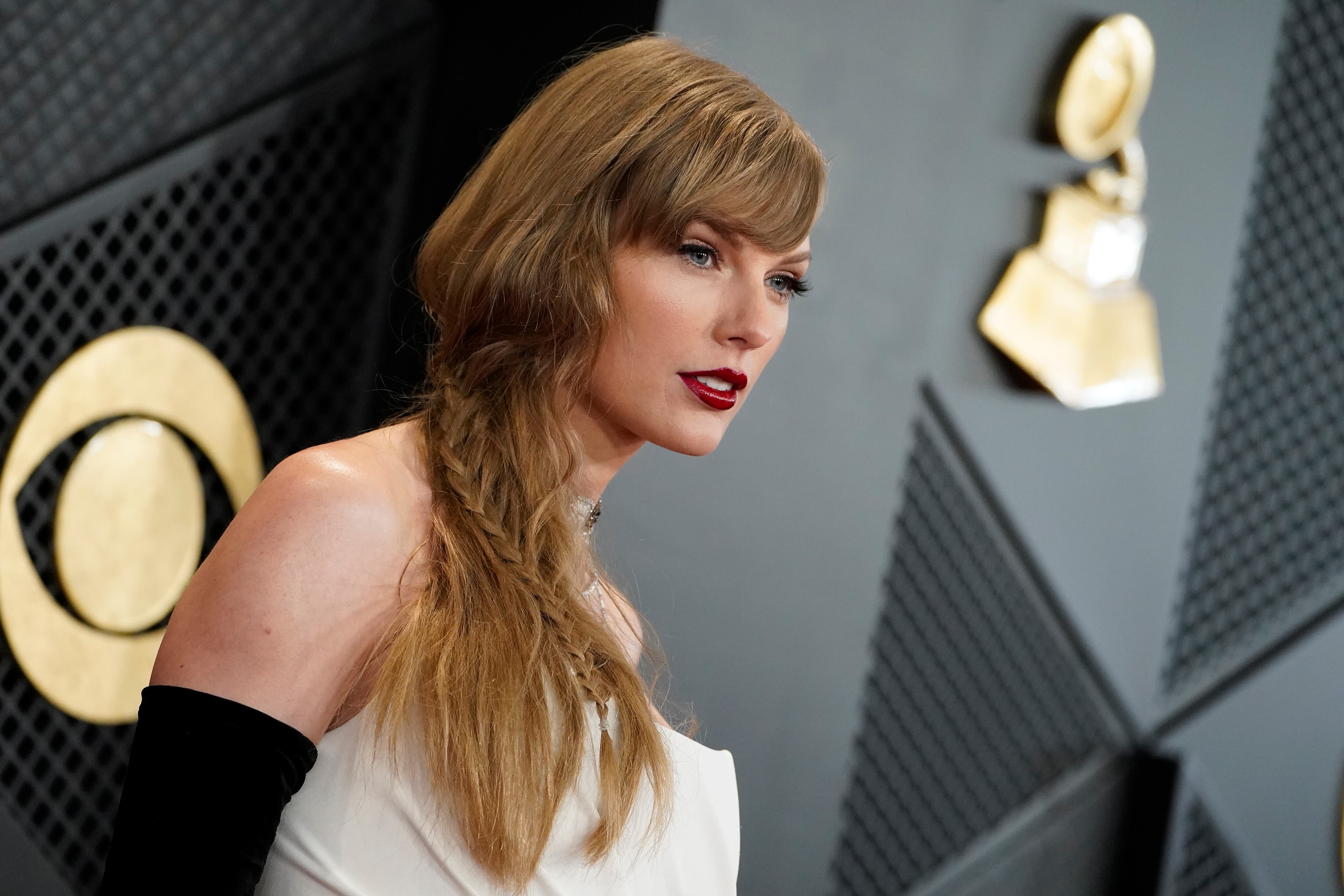
Taylor Swift’s camp is hitting Jack Sweeney, a junior at the University of Central Florida, with a cease-and-desist letter that blamed his automated tracking of her private jet for tipping off stalkers as to her location.
Surprise, surprise: tech is still the sector to watch, according to Karyn Cavanaugh, Chief Investment Officer at Carolinas Wealth Management. Learn how to properly diversify your portfolio.
Facebook and Instagram users will start seeing labels on AI-generated images in their feeds. Hopefully this will save time for everyone zooming in each picture to see how many fingers someone's hand has.