Once seen by politicians as a tool to tackle issues, Capitol Hill is finding out that technology could be a double-edged sword with unintended consequences. Cecilia Kang, National Technology Correspondent at The New York Times, joined to take a closer look at the crossroads between politics and Silicon Valley.
Kang discussed why the Democrats became sour on Silicon Valley. She said the 2016 election was the start of a journey for the Democratic party to evaluate the role of technology companies in the spread of information. Kang added that they wanted to investigate whether social media companies were good or potentially harmful for democracy. When the shock wore off from the election results, they wanted to look into what was behind the outcome.
Are Democrats just trying to find something else to blame for election results they aren’t happy with? Kang pointed out that social media companies themselves have acknowledged that they did play a role in the election. This is evident in the newsfeed algorithm changes implemented by Facebook. The company is now placing a heavier emphasis on content from friends and family opposed to content from publishers.
Georgie Dickins, founder of Women in Leadership Global and author of ‘Leading with Impact,’ shares thoughts on women in business and how to cultivate a supportive community.
Gregory Daco, chief economist at EY and Jordan Shapiro, senior managing director at Bachrach Group, break down February’s jobs report and what it means for workers.
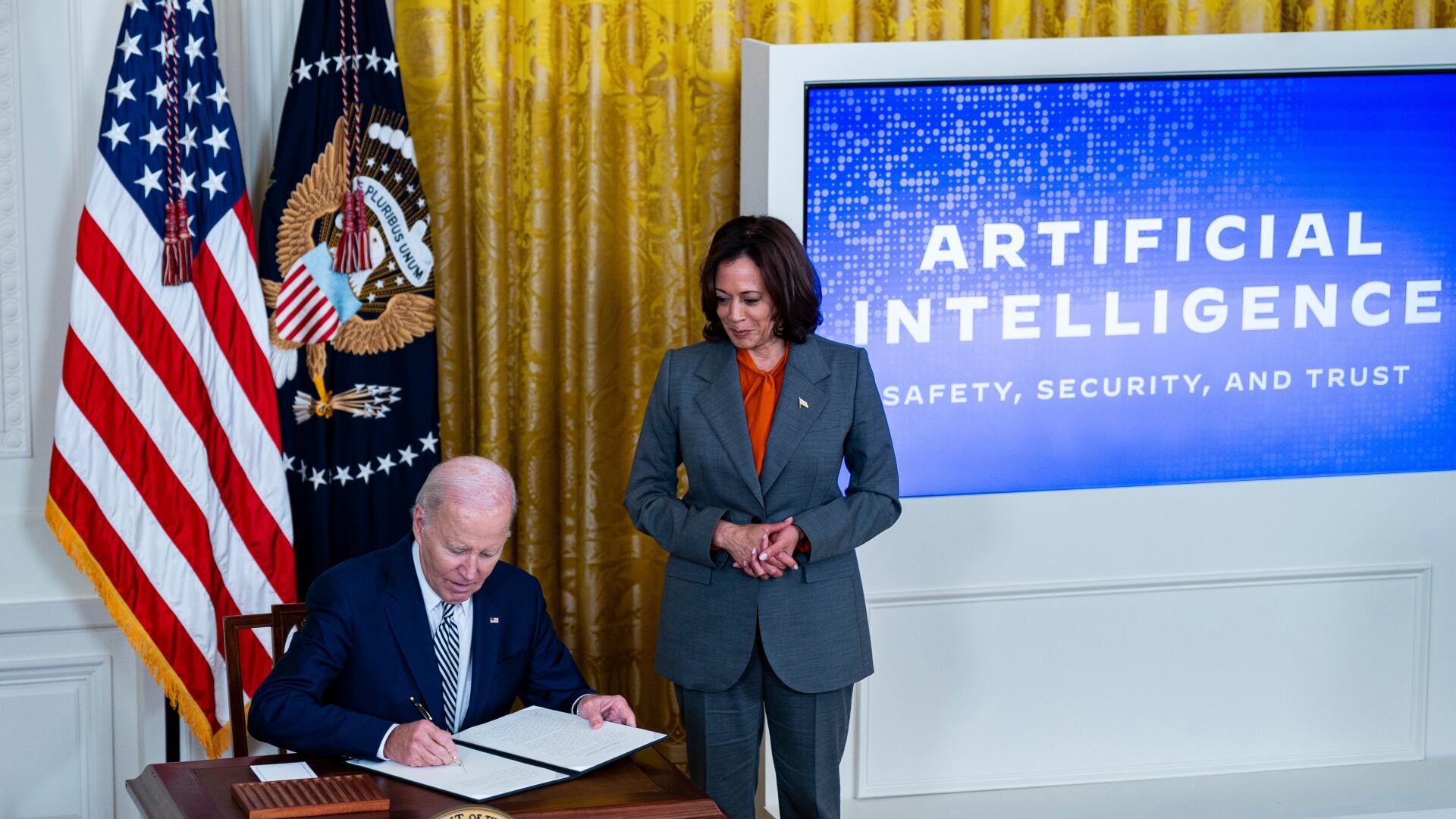
Linda Moore, president and CEO of Technet, explains why the U.S. should be a leader in A.I., plus why deepfakes and misinformation could be a concern during the election season.
Steve Preston, president and CEO of Goodwill Industries International, shares how the organization’s programs have helped over 2 million people develop their tech skills.
Box office analyst Shawn Robbins breaks down how the theater business is faring as two of 2023’s biggest movies are on their way to the Academy Awards.
Burns McKinney, portfolio manager at NFJ Investment Group, discusses how the Fed is balancing recession risks and interest rate cuts, plus whether the tech rally will broaden.