Once seen by politicians as a tool to tackle issues, Capitol Hill is finding out that technology could be a double-edged sword with unintended consequences. Cecilia Kang, National Technology Correspondent at The New York Times, joined to take a closer look at the crossroads between politics and Silicon Valley.
Kang discussed why the Democrats became sour on Silicon Valley. She said the 2016 election was the start of a journey for the Democratic party to evaluate the role of technology companies in the spread of information. Kang added that they wanted to investigate whether social media companies were good or potentially harmful for democracy. When the shock wore off from the election results, they wanted to look into what was behind the outcome.
Are Democrats just trying to find something else to blame for election results they aren’t happy with? Kang pointed out that social media companies themselves have acknowledged that they did play a role in the election. This is evident in the newsfeed algorithm changes implemented by Facebook. The company is now placing a heavier emphasis on content from friends and family opposed to content from publishers.
Allies of Florida Gov. Ron DeSantis and Disney have reached a settlement agreement in a state court fight over how Walt Disney World is developed in the future.
Ahead of the WNBA season and in the midst of March Madness, New York Liberty CEO Keia Clarke discusses the team’s new deal with Barclays and bringing even more attention to women’s sports.
U.S. Nissan head Jérémie Papin joins from the New York International Auto Show to give a preview of what’s to come from the carmaker – including the 2025 Nissan Kicks.
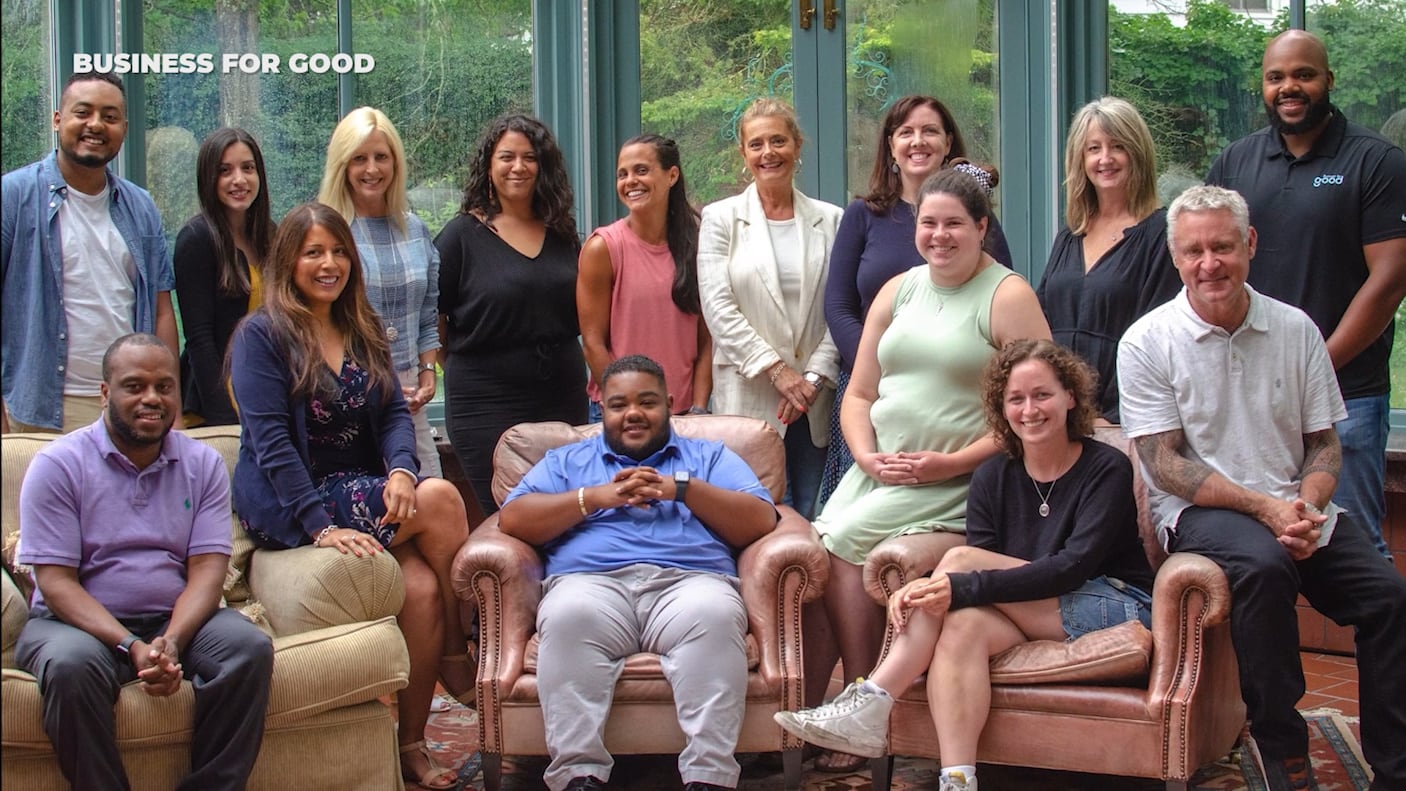
Ed Mitzen, the CEO of Business for Good, explains how and why he’s giving back by funding businesses from marginalized entrepreneurs to push social change.
Dana D’Auria, co-CIO at Envestnet, breaks down how she’s expecting markets to perform as ‘cracks’ from the rate hike cycle slowly filter into the economy.
A large cargo ship lost power and issued a mayday call moments before it struck the Francis Scott Key Bridge early Tuesday, though it was still moving toward the span at a rapid speed.
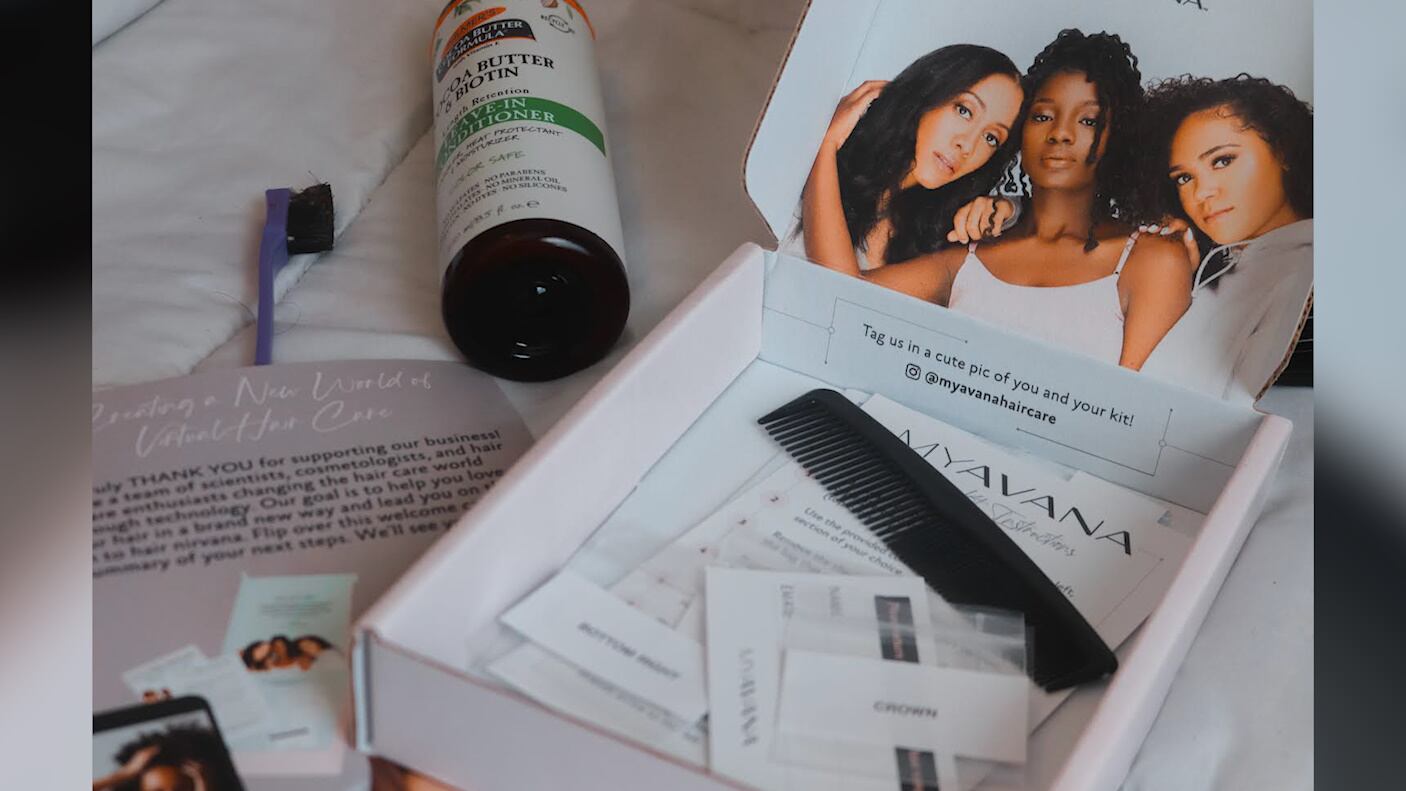
Candace Mitchell Harris discusses her path from computer scientist to founder of beauty tech tool MYAVANA – and how it uses A.I. to analyze each person’s unique haircare needs.
Michael Harris, NYSE global head of capital markets shares what to expect from IPOs in 2024, including A.I. excitement and why interest rate cuts are always helpful.