Once seen by politicians as a tool to tackle issues, Capitol Hill is finding out that technology could be a double-edged sword with unintended consequences. Cecilia Kang, National Technology Correspondent at The New York Times, joined to take a closer look at the crossroads between politics and Silicon Valley.
Kang discussed why the Democrats became sour on Silicon Valley. She said the 2016 election was the start of a journey for the Democratic party to evaluate the role of technology companies in the spread of information. Kang added that they wanted to investigate whether social media companies were good or potentially harmful for democracy. When the shock wore off from the election results, they wanted to look into what was behind the outcome.
Are Democrats just trying to find something else to blame for election results they aren’t happy with? Kang pointed out that social media companies themselves have acknowledged that they did play a role in the election. This is evident in the newsfeed algorithm changes implemented by Facebook. The company is now placing a heavier emphasis on content from friends and family opposed to content from publishers.
Resale platforms do big business – and Mercari just became the first in the U.S. to eliminate all fees for sellers and completely changed how returns work on its platform.
e.l.f.’s affordable price point and makeup and skincare options made it a social media darling – and the company’s CEO says the company even gets product ideas from its audience.
Nearly 40% of Americans choose travel over financial stability, funding trips on credit and sacrificing other budget line items to take a vacation — because live fast or die trying.
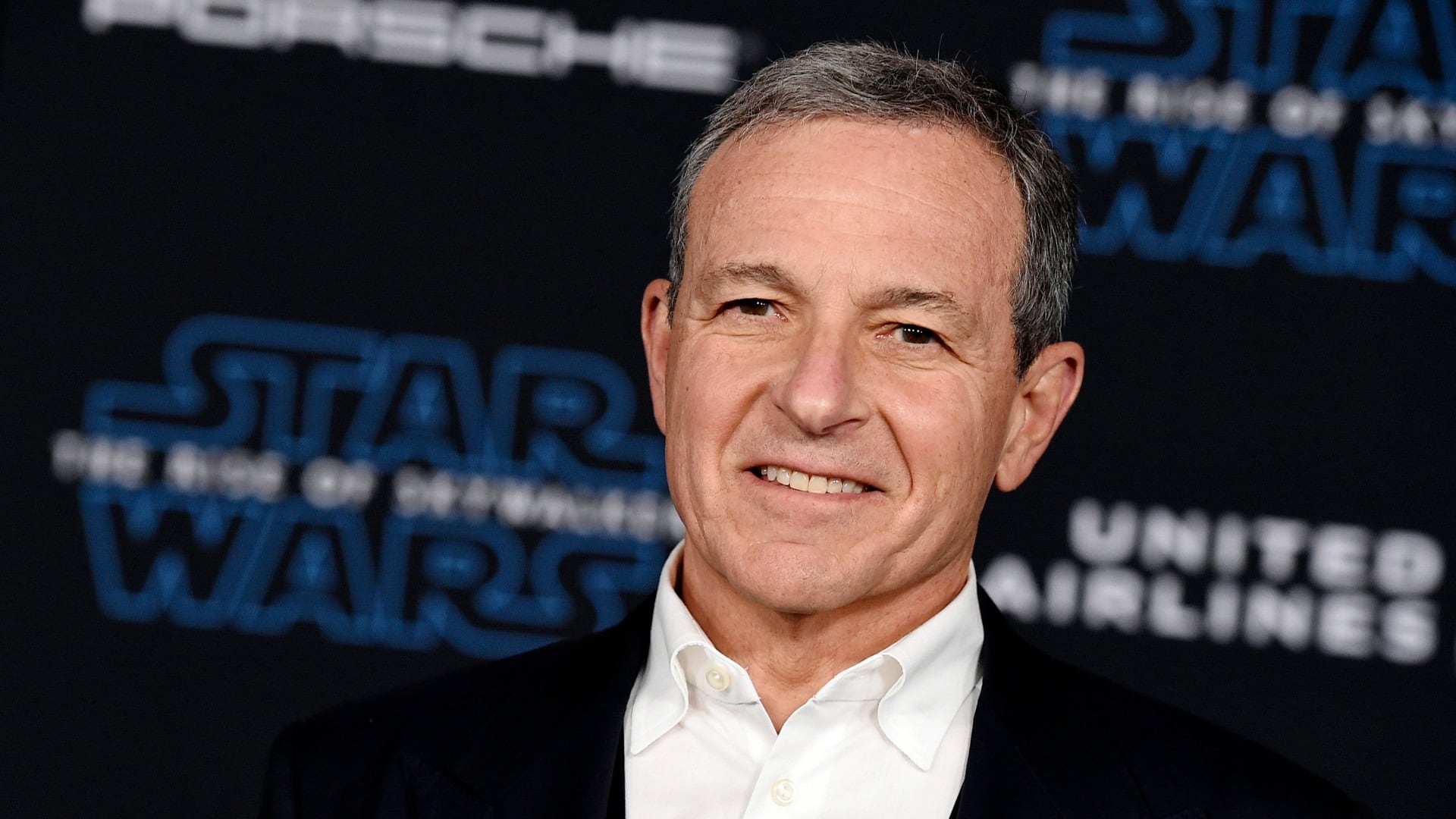
Disney shareholders have rallied behind longtime CEO Robert Iger. They voted Wednesday to rebuff activist investor Nelson Peltz and his ally, former Disney chief financial officer Jay Rasulo.
Student loan borrowers have the ability to earn retirement funds pegged to their payments – and the company Summer might be bringing it to your workplace.
It might not be what investors want to hear… but bringing down inflation could mean interest rates stay higher for (even) longer. But it's not all downside.