This week, Delta's Ed Bastian became the first-ever airline CEO to deliver the keynote address at CES. During his speech, he outlined a number of futuristic visions for the airline, from more binge-worthy in-flight entertainment to a venture into robotics.

The opening question posed to Bastian from the CEO of CES: “Why is your airline here?”

"[Airlines] have had a checkered past. We are about ready to enter our second century of operation, as an industry and as Delta, and we've never been stronger, we've never been better, the demand has never been more prevalent, the interest in travel has never been greater. We are making investments in the billions of dollars a year in airport, in ground, in digital technology, in infrastructure," Bastian later told Cheddar. "We wanted to give a vision of what travel in five years will be like on Delta."

While many innovations are happening in the skies, Delta's CEO explains there is a lot of room for improvement on the ground.

"The biggest challenge for us right now, and for our customers too, is the ground experience. We have done a lot to improve the flight experience," said Bastian. "In the last five years, we have completely replaced one third of our fleet.

"Now we have to replace the ground infrastructure. So we're building in LaGuardia. We're building in L.A. We're building in Seattle ー all the places where those airports haven't been touched in 50, 60, 70 years."

In order to update those ground settings, Delta is expanding partnerships with tech-forward companies. "We are bringing services into the infrastructure, such as Lyft, that can help de-stress the environment for customers to navigate," said the CEO. Delta currently partners with the rideshare company to allow customers to earn miles, which translate into rides.

"We want customers to have a great experience at all parts of the journey," he said. "We talked yesterday about what if we were able to pick your bag up at home and have it waiting for you when you arrive at your destination, or maybe already getting there before you. How cool would that be in terms of taking stress out of the process?" said the CEO.

Despite all this focus on the travel experience prior to boarding, Delta hasn't forgotten about the in-flight experience. Bastian reiterated that free on-board Wi-Fi is still on Delta's wish list and the airline is "investing aggressively in that goal."

"We're going to get it within the next two years."

"The in-flight experience has substantially improved. We've added a whole lot of new options for customers to fly, different products ー both international as well as domestic," said Bastian. "We are making certain we continue to add more and more seat-back screens onto our planes. Most airlines are actually taking seat-back screens off the planes. We're adding more on. The reason for it is we've got a product in-house that we've developed to make a wireless in-flight seat-back, and it's taking the box out from underneath the seat in front of you so you can actually have more leg room and actually it gives us an opportunity to update content more frequently."

Flight shaming, which became a trend in 2019, has carried over into 2020 and is top of mind for Delta. "It is a significant issue for the industry. I've talked about it as bring the extensional threat for us," said Bastian. "I'm critical of ourselves. We have been talking in a passive voice. We talk about things we should be doing less of." Instead, he said the industry should be talking about that it should do more of,

But the Delta CEO also said it's not only up to the airlines to reduce emissions.

"Every plane we are putting in the skies is 25 percent more fuel efficient than the ones we're taking off," said the CEO.

There are also things customers can do to make air travel more green by packing lighter.

"If you want to help reduce your carbon footprint carry less with you when you pack," he said. "There is a cost to that to the environment.

Overall, Bastian said that air travel remains important, and that, "The world needs more human connection to make a difference. The airlines, as well as customers, need to invest in the solutions for a sustainable planet."

Delta also has been closely following the problems that have befallen Boeing for more than a year, although the airline does not fly 737 Max jets.

"The Boeing situation clearly is troubling. First of all we need the Max to be back in the sky. We don't know yet when that's going to happen. Yes, Delta has had a marginal benefit from [its grounding], it's not a significant benefit," said Delta's CEO. "It's more important to us to see the aircraft flying so that our industry's not talking about this in such a negative vein."

As for the Wednesday's crash of Ukraine International Airline Flight 752 in Iran, a Boeing 737-800, Bastian added, "I can't provide any insight into what happened in Tehran other than our sympathy for the people impacted, tragic situation."

When asked whether Boeing would recover from its current corporate crisis, Bastian was confident, saying it's a "great American company."

"We will get through this. It's a tough time. We have to stand by them through this."
Share:
More In Business
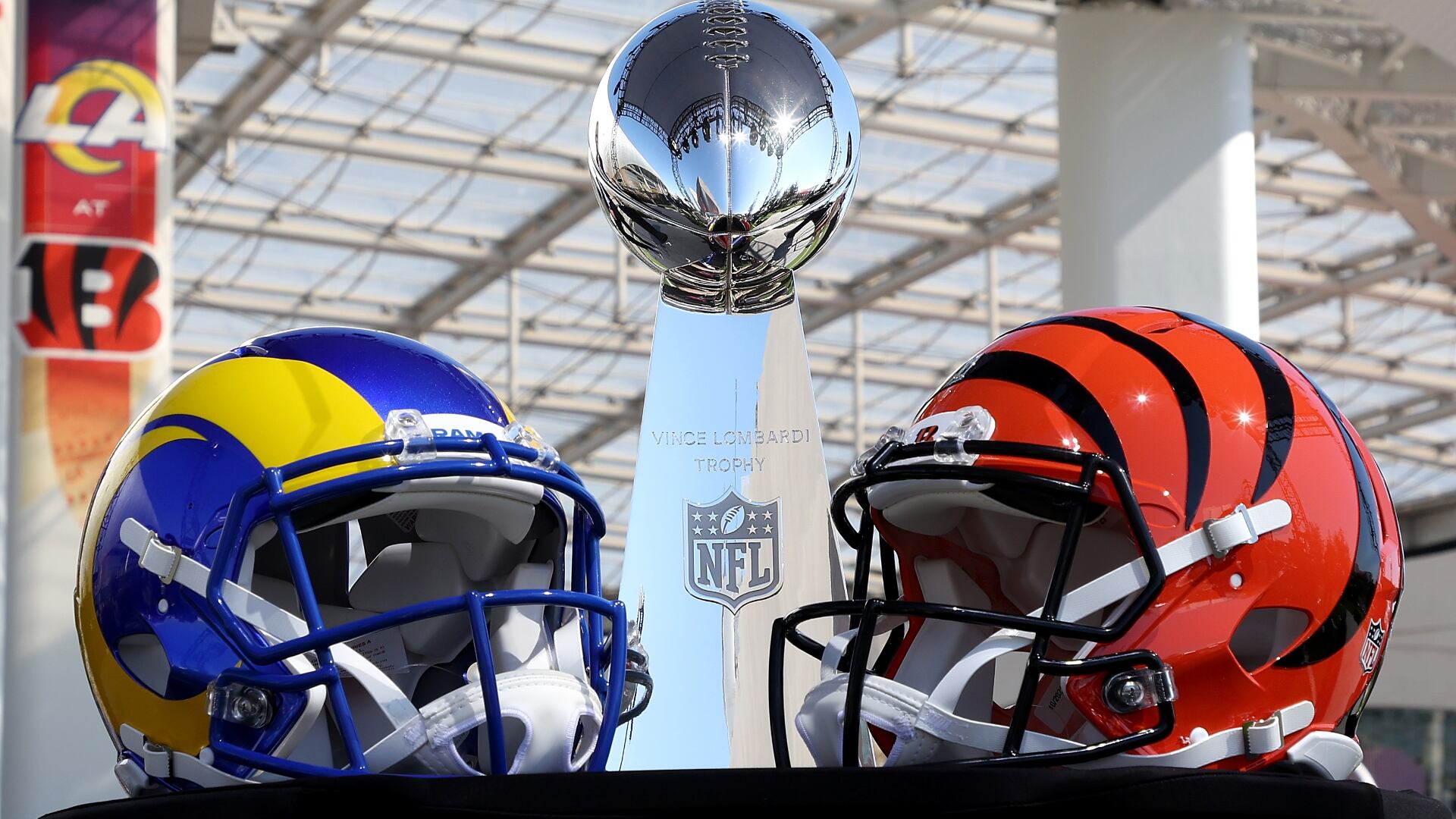
Tickets to Super Bowl This Year Most Expensive in History
The Super Bowl is only a few days away, and the game is currently tracking to be the most expensive one ever. Gametime, a website and app for last-minute tickets, says the average ticket price for the NFL's championship game is $9,502.50, with the most expensive seats costing nearly $38,000. That's a far cry away from the average ticket price of the first-ever Super Bowl in 1967, which was only $12. The average ticket price increased by more than $8,000 in just the past decade. Matt Rados, Senior Operations Manager at Gametime, joins Cheddar News' Closing Bell to discuss.
Betterment Dives into Crypto Space, Acquires Makara
Earlier this week, digital investment advisor Betterment announced that it has hired Makara, a company known for its management of cryptocurrency portfolios. Sarah Levy, CEO of Betterment, joins Cheddar News' Closing Bell, where she explains why crypto represents such a promising long-term play and how her company stands to benefit from this latest move.
Getlabs Raises $20 Million to Expand At-Home Lab Appointments Nationwide and Launches API
At-home medical labs company Getlabs raised $20 million in a Series A round, led by Emerson Collective and the Minderoo Foundation. Getlabs aims to be the boots-on-the-ground partner to telehealth. The company says more than 70% of medical decisions still require collecting diagnostic tests in person, and that it fills that void by delivering health care directly to their patients' homes. Founder & CEO of Getlabs Kyle Michelson joined Cheddar News' Closing Bell to discuss.
Biden Admin $5B EV Charging Station Investment to Build Out Highway Corridors
The White House laid out plans for a $5 billion investment into a national network of charging stations to ease EV driving anxiety. Bruce Brimacombe, CEO of EV infrastructure GOe3 joined Cheddar News to discuss how much needs to be done for drivers to get over the fear of running out of energy. "People need to be able to do what they're doing now," he said. "But that is the way that if you're going to buy an electric car, you got to feel like you're not changing your world." Brimacombe noted that building out the infrastructure between cities was GOe3's own focus.
Canada trucker protests hurts U.S. auto industry
U.S. automakers are saying that the blockade of the Ambassador Bridge, a crucial border crossing between the U.S. and Canada, is affecting their production lines. Michelle Krebs of Cox Automotive warns that the disruption "couldn't come at a worst time," amid chip and labor shortages in Detroit. AND DETROIT-BASED AUTO MAKERS SAY THEY ARE SHUTTING DOWN PLANTS OR SCALING BACK PRODUCTION BECAUSE OF PARTS SHORTAGES.
Smart Speaker Maker Sonos CFO on Earnings Beat, Future After Pandemic
Sonos reported better than expected Q1 earnings amid chip shortage with the release of its Roam product. CFO Brittany Bagley joined Cheddar News to discuss the smart speaker maker's successful report and its plans to hit its 2024 targets as people leave their homes as pandemic restrictions ease. "Even as people head out in the world, it doesn't mean they don't like to listen to music at home or watch a streaming movie at home," she said. "So there's still a real role for us and our products in peoples lives, sort of, no matter what else they're doing."
WarnerMedia on Track for CNN Plus, NFTs Following Discovery Deal Approval
The merger of WarnerMedia and Discovery received Justice Department approval on Wednesday, and Patty Hirsch, EVP of consumer and digital platforms at WarnerMedia, joined Cheddar News to discuss current and future offerings from the media conglomerate that will control both HBO Max and Discovery+. "Content really drives so much, and CNN has always had a very long history of creating an incredible documentaries, incredible content … and this service I think is going to ultimately provide the kind of content consumers want and the kind of content that consumers are going are going to pay for," she said. Hirsch also discussed NFTs in use through its Turner Sports and DC brands.
Fearless Fund Helps WOC-Led Businesses Bridge the Funding Gap
Black entrepreneurs lead the way in the creation of new businesses, but they often cannot get the necessary funding to get their business off the ground. The Fearless Fund is on a mission to change that, and help Black business owners get venture capital. The fund also offers a unique grant program meant to help entrepreneurs with growth, peer coaching, and more, including grants between $10,000 and $20,000. Arian Simone, Co-Founder and General Partner of Fearless Fund, joins Closing Bell to discuss the Fund's mission, how it helps Black entrepreneurs, and more.
Kellogg’s Beats on Q4 Earnings Despite Supply Issues, Work Stoppage
Multinational food company Kellogg’s reported an earnings beat amid supply chain issues and an extended labor strike. Kellogg’s Chairman and CEO c joined Cheddar News to discuss overcoming the obstacles and what's to come for the company. "The first half of the year is really going to be one about rebuilding inventory, and into the second quarter, starting to reestablish promotional activity for our customers and our consumers," Cahillane said. "And then the back half of the year, obviously, we're really much more back in business, and we expect to exit the year with our business in cereal being just as strong as it's ever been."
Load More