Credit card debt in America has reached $905 billion dollars, according to a recent NerdWallet survey. Kimberly Palmer, Personal Finance Expert at the company, joins Cheddar to explore some of the reasons behind the increase.
Two categories have outpaced income growth over the past decade: medical expenses and food. Healthcare costs, in fact, have increased by 34% while income has only grown by 20%. She gives some alternatives for how to pay off those expenses without whipping out the credit card.
Plus, people always say you're throwing out money when you rent a home, but how much money are homeowners throwing away in credit card interest? Palmer says that a house may be a great asset, but owners tend to ring up double the amount of credit card interest versus renters when spending on things like upkeep.
The U.S. economy is being held up in part by the AI boom, but that boom could still lead to broader prosperity or inequality, says a Nobel Prize winner.
Foundation Robotics co-founder Michael LeBlanc explains how humanoid robots are moving from the lab to military and industrial missions and what comes next.
Jeff Burnstein, President of the Association for Advancing Automation (A3), discusses humanoid robots, AI, smart manufacturing, and the future of U.S. industry.
Should kids be banned from social media? Nick Lichtenberg of Fortune breaks down the global push to restrict under-16 users and what it means for Big Tech.
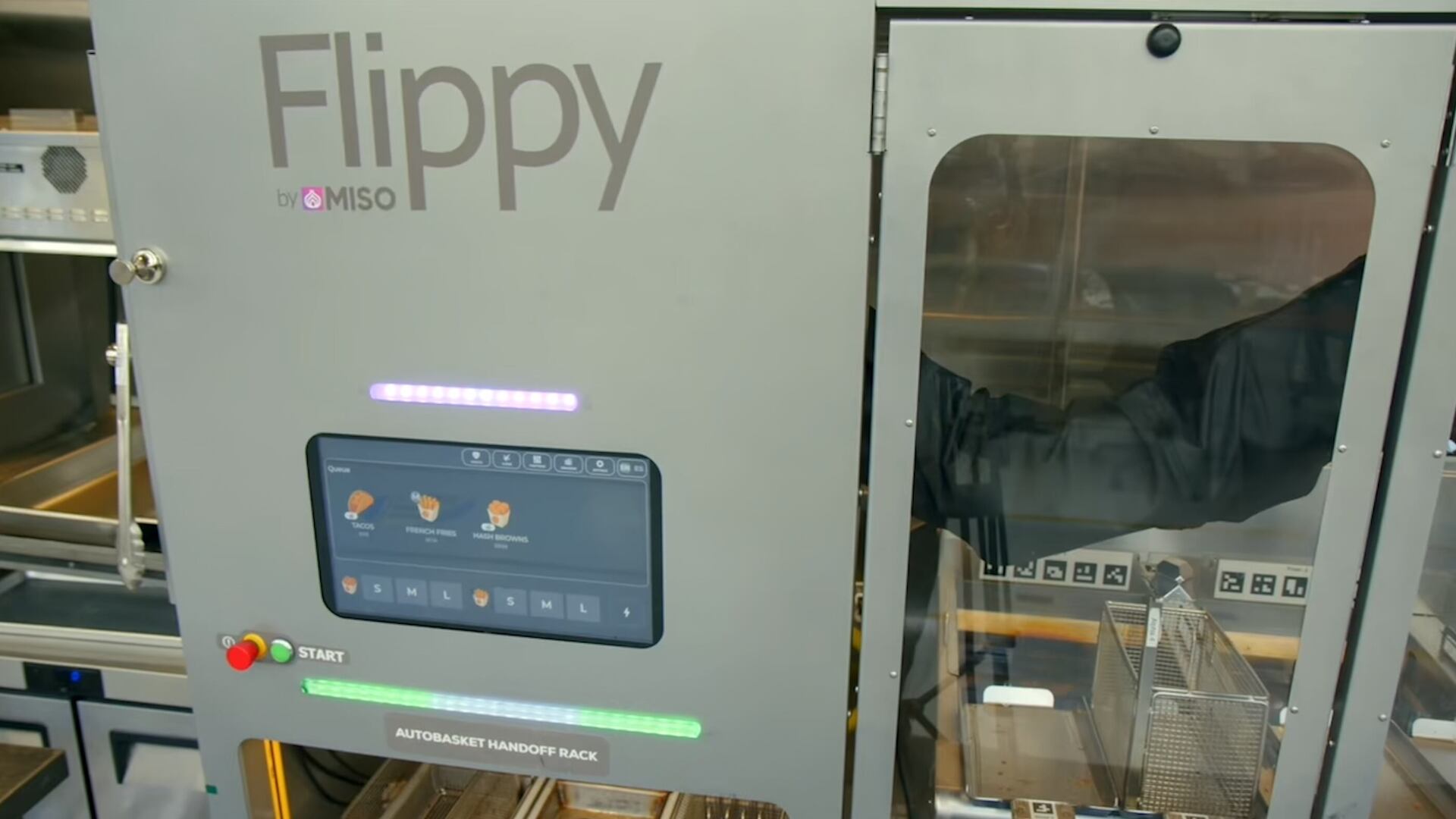
Miso Robotics CEO Rich Hull discusses Flippy Fry Station, the future of AI-powered restaurant automation and how acquiring Zume's IP could reshape food robotics
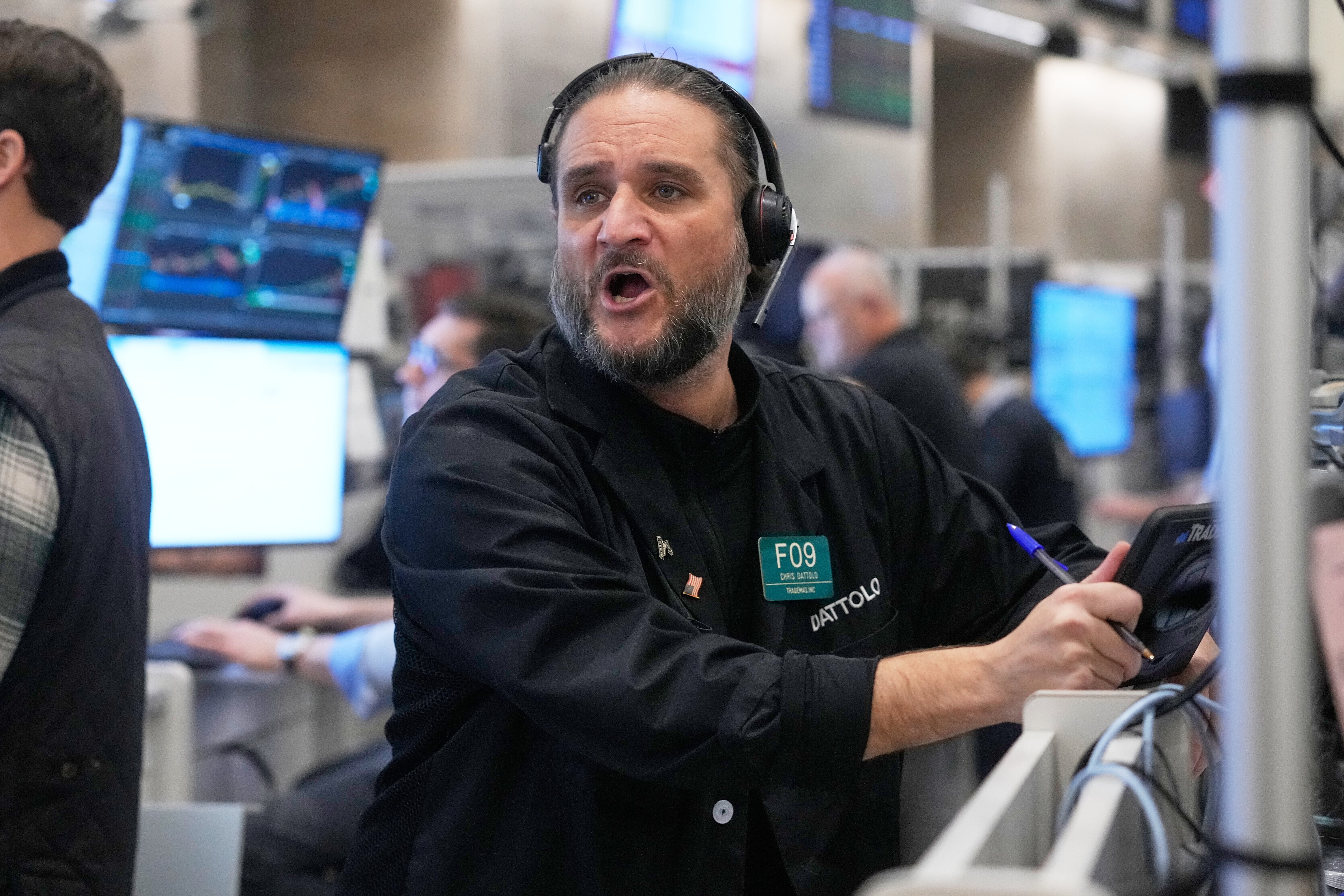
After two years of AI-fueled spending, Wall Street is asking what's next. Gil Luria breaks down monetization, valuations, winners, losers, and AI's future.