After voting to block witnesses, the Senate voted Friday to approve a resolution setting the final day of the president’s impeachment trial — and his likely acquittal — for Wednesday, after both the Iowa Caucuses and President Donald Trump's State of the Union address.
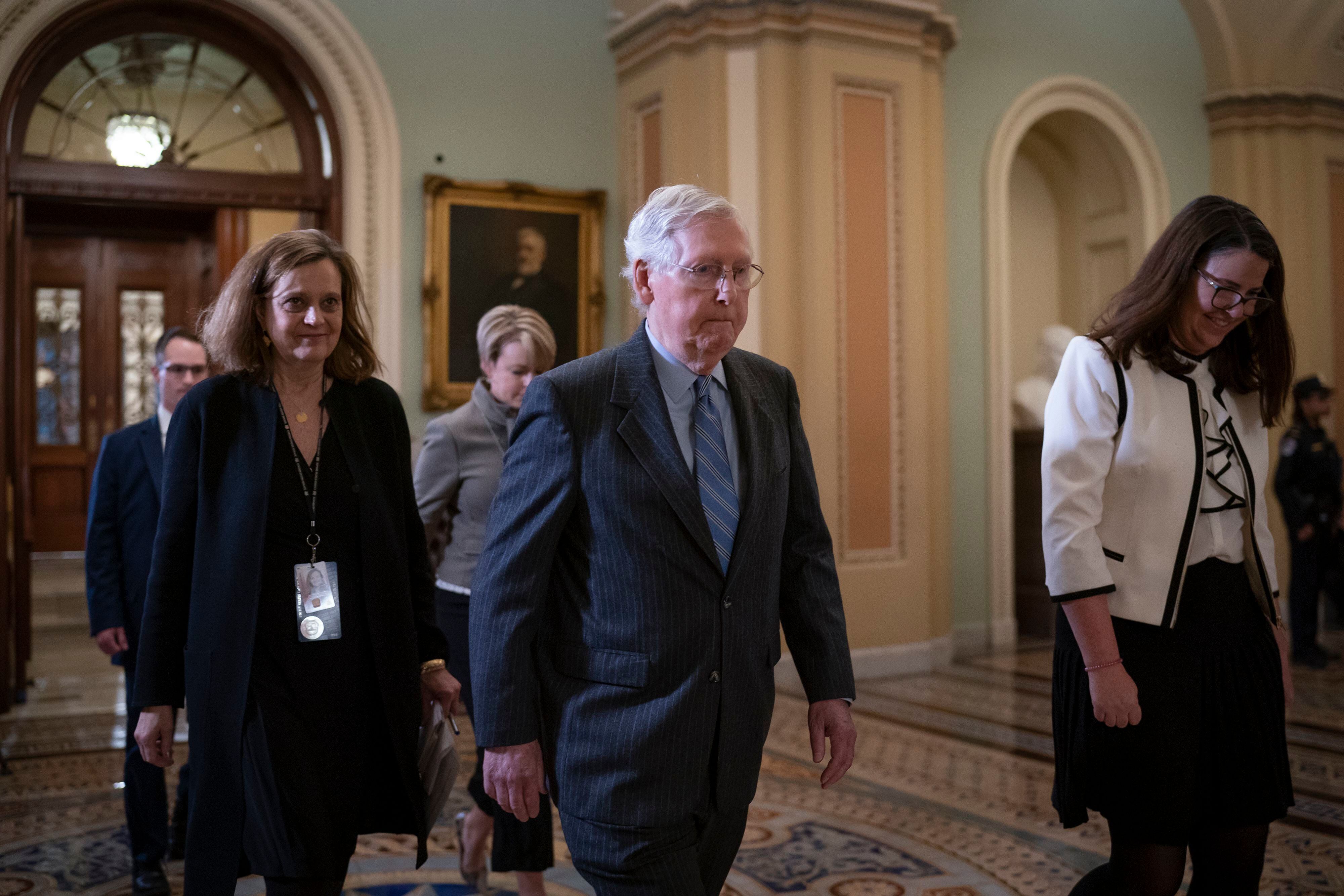
Senators debated on how to move forward during a recess after the witness vote’s conclusion. After nearly 90 minutes, it appeared that Senate leaders Mitch McConnell and Chuck Schumer had reached a deal that would pause the trial until Monday and provide each senator with 10 minutes to explain his or her decision on the president’s conviction or acquittal. The Senate voted on the organizing resolution and Democrats brought four amendments to the floor — all of which were defeated.
Chief Justice John Roberts answered a question from Schumer on whether he would cast a tie-breaking vote. Roberts said it would be “inappropriate for me” to break a 50-50 tie.
One of the amendments brought to the Senate floor tonight on impeachment rules would have required Roberts to rule on motions for evidence.
Sen. Roy Blunt (R-Mo.) had previously told reporters the expectation moving forward would not include closed deliberations. "I'm opposed to it and I believe we will not have any closed sessions," he said. The plan voted on did not include such a provision.
The new resolution provided a timetable for the end of the third impeachment trial of a sitting U.S. president. The Senate will recess for the weekend until Monday at 11 a.m. Then House Managers and the defense counsel will each have two hours to make closing arguments. Senators will be allowed to give floor speeches for parts of Monday, Tuesday, and Wednesday. The vote would be scheduled for 4 pm Wednesday.
Sen. Tim Scott (R-S.C.) said, upon leaving the GOP meeting, that "the process is important, so having the Democrats buy into this final arrangement, I think is more important than just shoving it down their throats because sooner or later the shoe will be on this foot."
Senators will vote on two articles of impeachment: abuse of power and obstruction of Congress related to allegations President Trump pressured Ukraine to announce investigations into his political rival, former Vice President Joe Biden, and his son Hunter by withholding nearly $400 million in security aid.
Democrats had been pushing to hear from new witnesses since the trial began nearly two weeks ago, especially after John Bolton, the former national security advisor, said he would testify and new evidence was reported by the New York Times indicated Bolton's unpublished manuscript contained details in which the president told advisors to withhold aid to Ukraine as early as last spring. Only two Republicans — Senators Mitt Romney (R-Utah) and Susan Collins (R-Maine) — voted with the Democrats.
Deputy Commerce Secretary Don Graves spoke to Cheddar's Alex Vuocolo about the ongoing semiconductor shortages and the push from the Biden administration to cover the supply chain problem as well as look ahead to future-proofing it.
President Maxx Fenning and Vice President CJ Walden of PRISM, a Florida non-profit providing resources for LGBTQ youth, joined Cheddar News to discuss the negative repercussions of a Florida bill banning discussions of sexuality and gender identity in some classrooms.
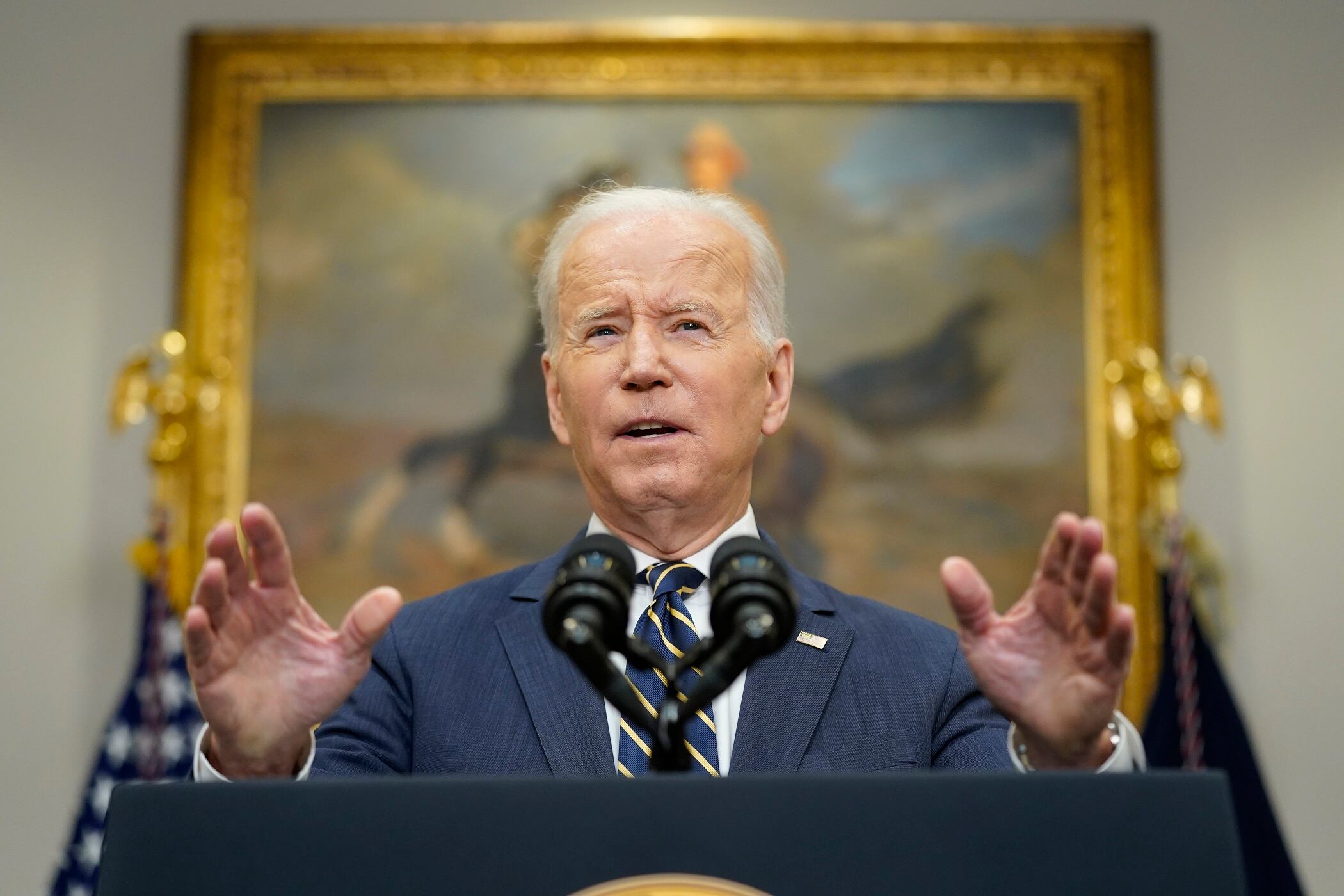
President Joe Biden announced Friday that along with the European Union and the Group of Seven countries, the U.S. will revoke “most favored nation” trade status for Russia over its invasion of Ukraine.
The consumer price index jumped 7.9 percent in February, marking a 40-year high for inflation in the U.S. This report comes less than a week ahead of the Fed's all important meeting. Kayla Bruun, Economic Analyst, Morning Consult, joined Cheddar's Opening Bell to discuss.
Markets opened lower amid hotter-than-expected inflation data, which surged to its highest level in nearly 40 years. Lisa Erickson, Senior Vice President and Co-Head, Public Markets Group, U.S. Bank joined Cheddar's Opening Bell to discuss the significance of this figure ahead of the Federal Reserve's FOMC meeting.
As the Russia-Ukraine war disrupts the global economy, sending markets on a roller coaster ride, gold remains hovering around $2,000 an ounce. Often seen as a safe haven in times of economic crisis, Jason Cozens, founder and CEO of gold-as-currency platform Glint Pay, joined Cheddar’s Opening Bell to discuss the latest gold rush, how the war is impacting prices, and how people can use Glint to trade in the precious metal. “You know the stock markets and cryptocurrencies are risky investments," he stated. "Whereas gold is just reliable money. It's no one else's liability if you own."
As Western sanctions weigh on Russia's economy, the country is at the risk of defaulting on its debt. Fitch ratings agency has downgraded Russia's debt for the second time in a week, warning a "sovereign default is imminent." Jesse Wheeler, Economic Analyst at Morning Consult, explains what that means, and how it could have ripple effects across the global economy.
Uber Lyft and Doordash are all set to spend $1 million dollars on a campaign and efforts to stop lawmakers from classifying their gig workers as employees. The campaign features TV and online ads highlighting Washington area workers who say they prefer the flexibility of being an independent contractor rather than following the model of a company employee. Professor at NYU. Stern School of Business and author of the sharing economy, Arun Sundararajan, joined Cheddar to discuss more.