'Dark Money' Documentary Follows the Money in Politics
*By Max Godnick*
Ever since Watergate, investigative journalists have been urged to ["follow the money"](https://www.youtube.com/watch?v=vETxuL7Ij3Q) to find the truth in politics. But how do you locate the funds that come from undisclosed donors?
"Dark Money" is a new documentary that aims to answer that very question. The film makes its national broadcast debut on PBS on Monday night, shining a detective's flashlight on mysterious corporate spending in politics.
"As a filmmaker, it was just a good mystery novel sort of spy thriller story that I knew we'd be able to tell," the film's director/producer Kimberly Reed told Cheddar on Monday.
The documentary extrapolates from a particular situation in Montana to explore a larger, more national problem in U.S. politics. Reed spends most of "Dark Money" tracking local journalist John S. Adams's attempt to uncover the truth about the funding behind her home state's tangled elections.
"I could see the storm brewing," Reed said. "It's a really good case study, because we can actually connect all of the dots."
Reed described "dark money" as any funding that "makes its way into an election, and you don't know where it's coming from."
Those contributions have been legally permitted ever since the 2010 landmark U.S. Supreme Court decision on *Citizens United v. FEC*, which established campaign spending as a form of First Amendment-protected political speech.
"That's just a recipe for corruption," Reed said. "I just think that our democracy was founded with the assumption that we're going to know who's trying to influence our politics."
She pointed to the hyper-centralization of dark money groups as the part of the problem that scares her most acutely. The unidentified financing stems from a small handful of groups, with just 15 organizations accounting for all dark money spending since 2010. The largest is Crossroads GPS, led by Bush-era political operative Karl Rove. The organization has since changed its name but still acts as the same entity.
Reed noted that the issue is non-partisan, with equal-opportunity offenders hailing from both sides of the aisle. But she did add that conservatives were the first to "weaponize" the funding tactic ー and the left has led the charge in finding legislative solutions.
With just weeks to go before the midterm elections, Reed cautioned voters and watchdogs alike to be mindful of this less-salacious corner of corruption and scandal ー the funding without high-profile names attached.
"Where we see big anonymous money going into elections, that's where we need to pay attention, especially if there's foreign influence behind it," she said.
For full interview [click here](https://cheddar.com/videos/shady-campaign-finance-stars-in-new-documentary).
Liana Guzmán, CEO of FOLX Health, joins Cheddar News to discuss the company launching billboards across the country in response to anti-LGBTQ+ legislation.
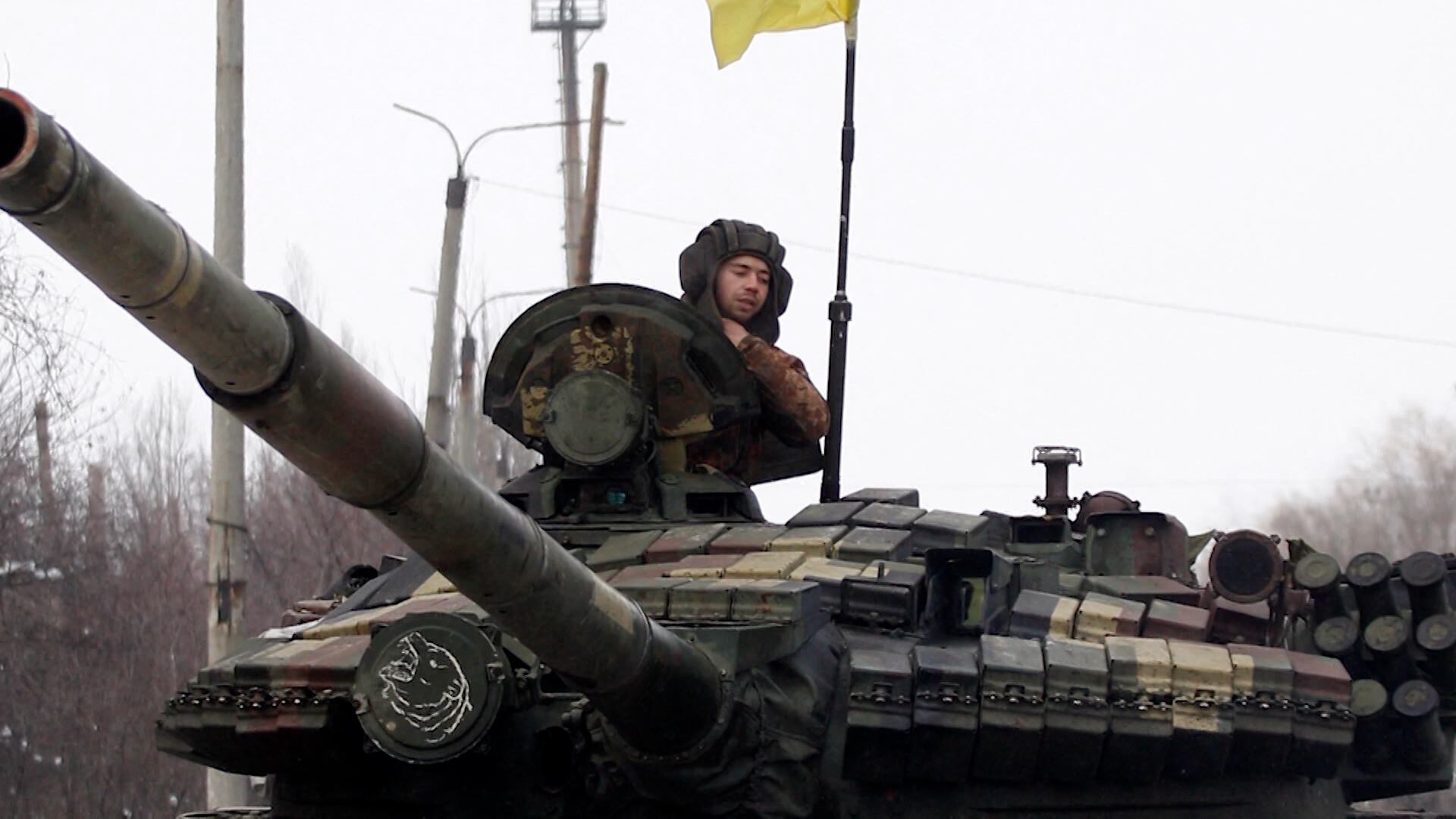
President Biden has announced an additional $800 million in military assistance to Ukraine, including artillery, armored personnel carriers, and helicopters. It comes as Russian forces appear to be preparing for a new, aggressive offensive in the eastern part of Ukraine. Paul McLeary, defense reporter for Politico, joined Cheddar to discuss this new round of aid and what it means for the U.S. commitment to arming the embattled country.
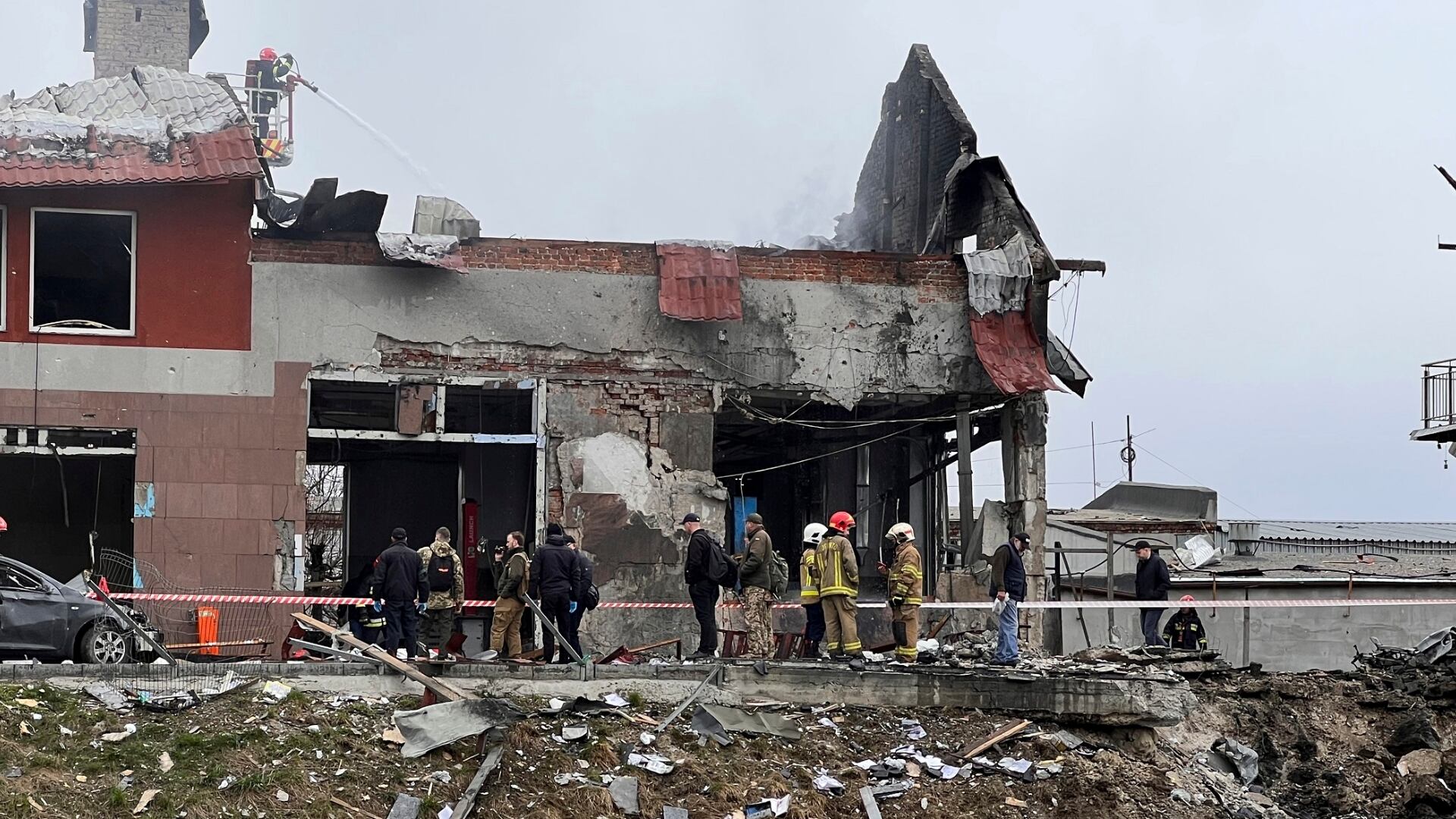
Catching you up on what you need to know on April 18, 2022, with Russian missile attacks on the Ukrainian city of Lviv killing seven, mass shootings in South Carolina and Pittsburgh, Lucky Charms cereal under official investigation by the FDA, and more.
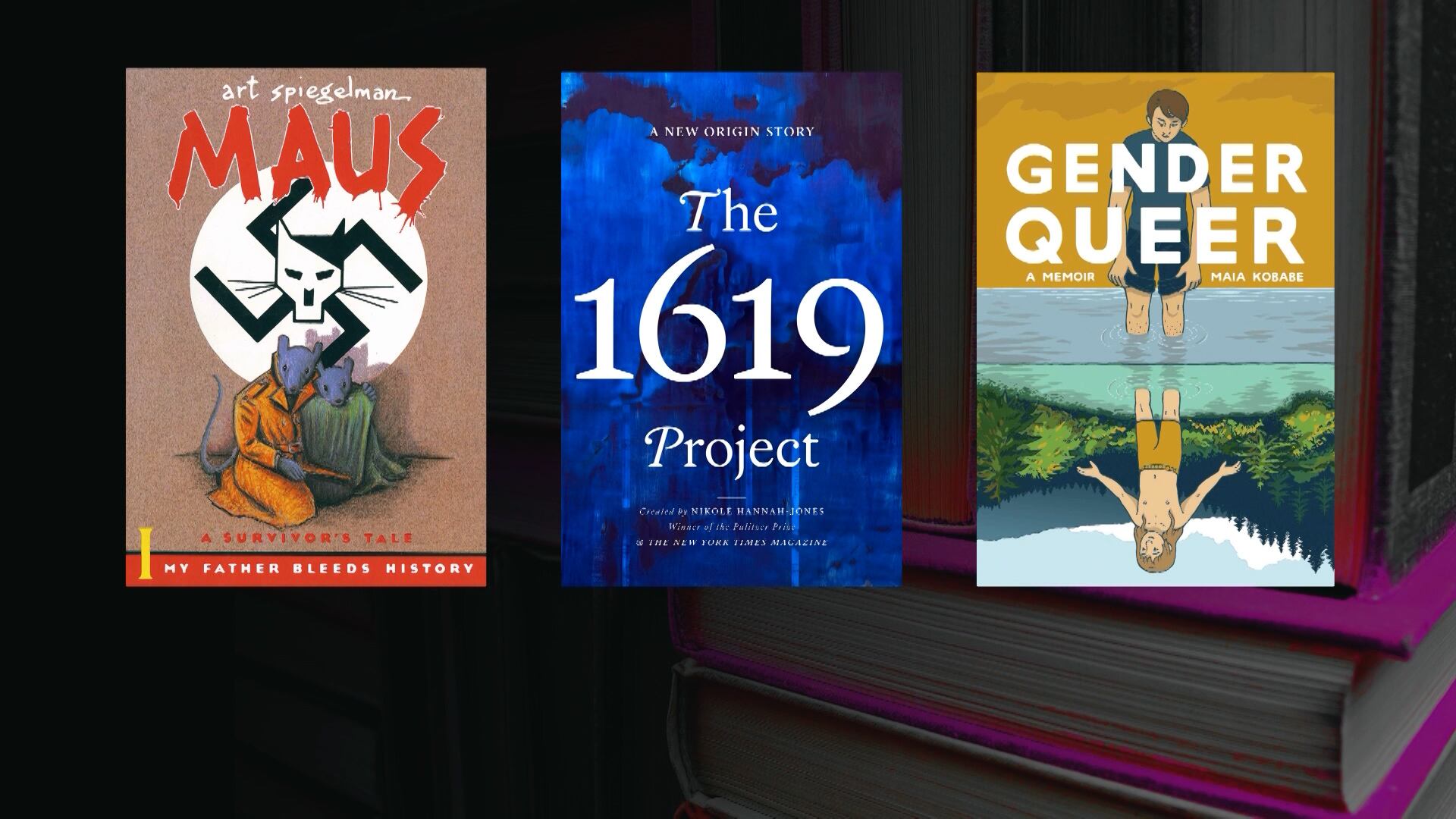
Activism is growing around the country in response to school boards banning books from shelves that focus on sexuality, gender, identity, or race. Jen Cousins, co-founder of The Florida Freedom to Read Project, joins Cheddar News to discuss.
As the Russian invasion of Ukraine intensifies, President Biden has announced a ban on importing Russian oil, gas, and energy. To discuss how this ban will impact the war and Americans, Amir Handjani, non-resident fellow at Quincy Institute, joins Cheddar News.
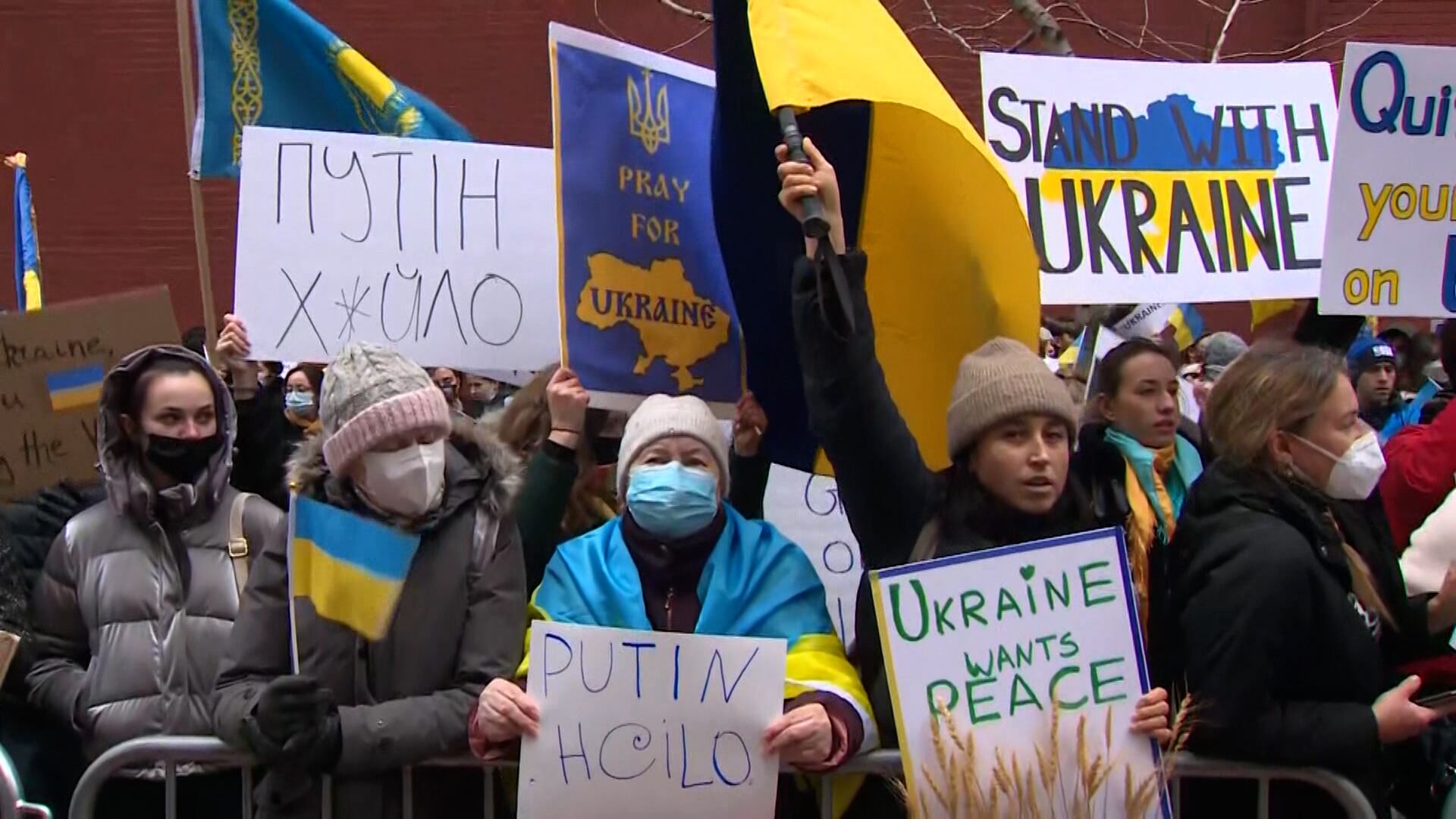
Thousands of protesters around the world are expressing their solidarity with Ukraine against Russia's invasion.
Jason Beardsley, national executive director of the Association of the U.S. Navy and national security expert, joins Cheddar News to discuss.
As gas prices surge amid the Russian invasion of Ukraine, other nations could potentially transition faster to using clean energy than previously expected. Philip K. Verleger, a senior fellow at the Niskanen Center, joined Cheddar News to explain how this could be a possibility in the near future. "Part of the reason I think we have this invasion and the tantrum that's being thrown by Russia, terrible tantrum, is because the Russians were trying to slow down the transition," he said. "Ironically they speeded it up."
Following the invasion of Ukraine, a multitude of Western companies have paused doing business with Russia. PepsiCo, Coca-Cola, McDonald's, and Starbucks are the most recent companies to temporarily cease operations in Russia. Dean of Miami Herbert Business School at the University of Miami, John Quelch, joined Cheddar News to discuss what message this sends to Russia and the Russian consumer. “I would not underestimate the collective strength of all of these multinational companies, essentially coming together to make their collective statement in support of the political statements that have come out of Washington," he said.
The war in Ukraine continues to reveal heartbreaking gut-wrenching stories. The war in itself is not only devastating but also expensive. Experts estimate that Russia is draining nearly $20 million dollars each day to continue occupying and invading Ukraine. All this could force the country to turn to cryptocurrencies. It's a major turn for the country that briefly considered outlined digital assets entirely, but it could also have serious implications for cryptos. Managing Director at Quantum Fintech Group, Harry Yeh, joined Cheddar to discuss more.