Crypto Suffers Dramatic One-Day Loss, Playboy Gets in on the Craze
Over the course of just 24 hours, global cryptocurrencies lost $60 billion in value. The market cap of global digital coins was around $310 billion on Thursday morning, compared to $372 billion a day earlier. The drop likely stems from fears over further regulation, in addition to Google's announcement that it will ban crypto-related ads later this year.
Plus, Playboy is the lastest company to get in on the crypto action. The company is developing a digital wallet that will allow customers to make payments on its platforms using a handful of digital coins. Playboy's chief operations officer of licensing and media said the company felt it was important to give their customers "increased payment flexibility.”
Lawmakers in several states are embracing legislation to let children work in more hazardous occupations, longer hours on school nights and in expanded roles including serving alcohol in bars and restaurants as young as 14.
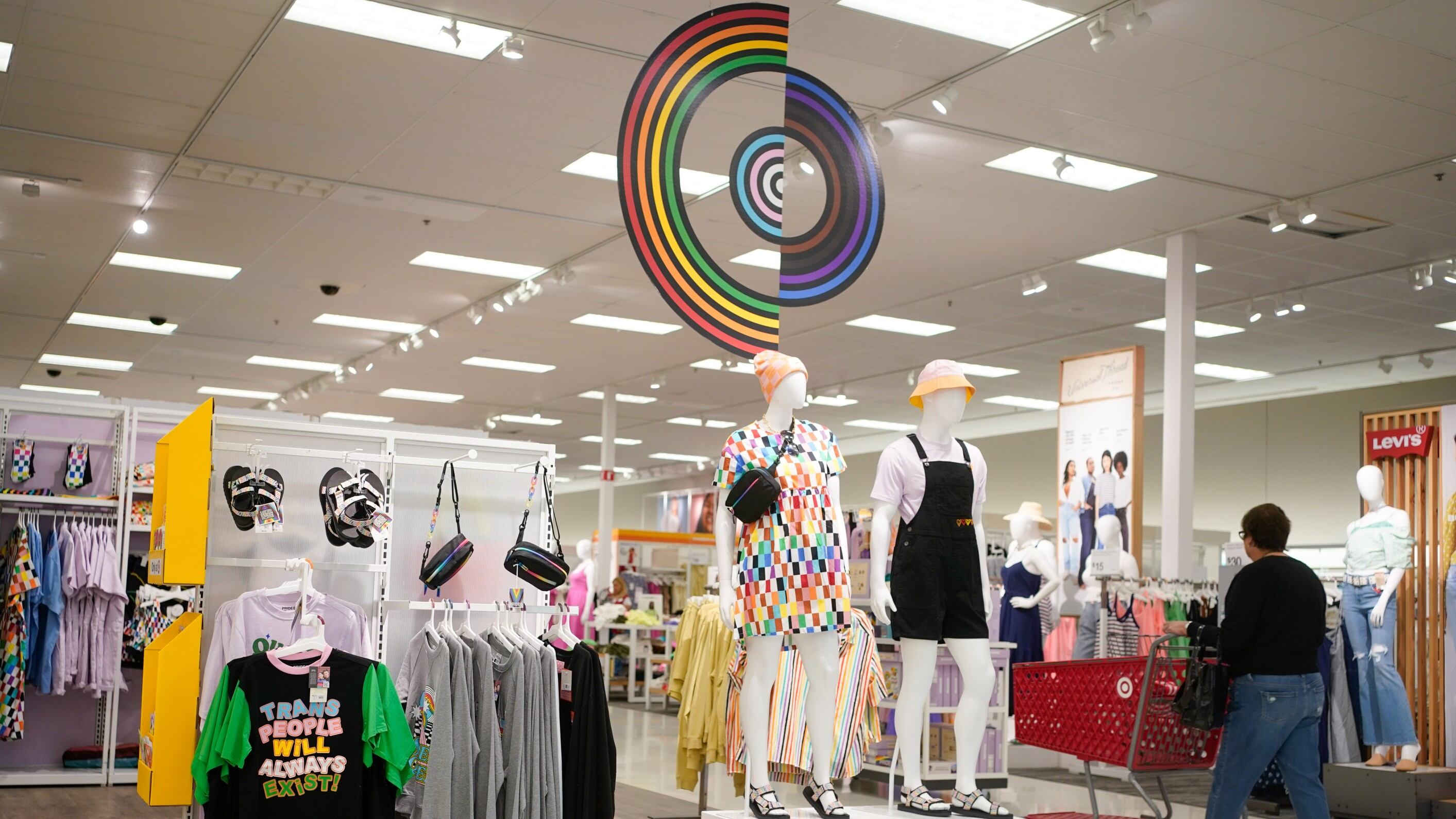
Target once distinguished itself as being boldly supportive of the LGBTQ+ community. Now that status is tarnished after it removed some LGBTQ+-themed products and relocated Pride Month displays to the back of stores in certain Southern locations in response to online complaints and in-store confrontations that it says threatened employees’ well-being.
With one of three major rating agencies warning that America’s AAA credit is at risk, the stakes are growing in the standoff in Washington over raising the nation's debt limit.
The average long-term U.S. mortgage rate rose this week to its highest level since mid March, driving up borrowing costs for prospective homebuyers facing a housing market that’s constrained by a dearth of homes for sale.
On this edition of Stretching Your Dollar, Corey William Schneider talks about how he made exploring the city a full-time job by founding the New York Adventure Club.
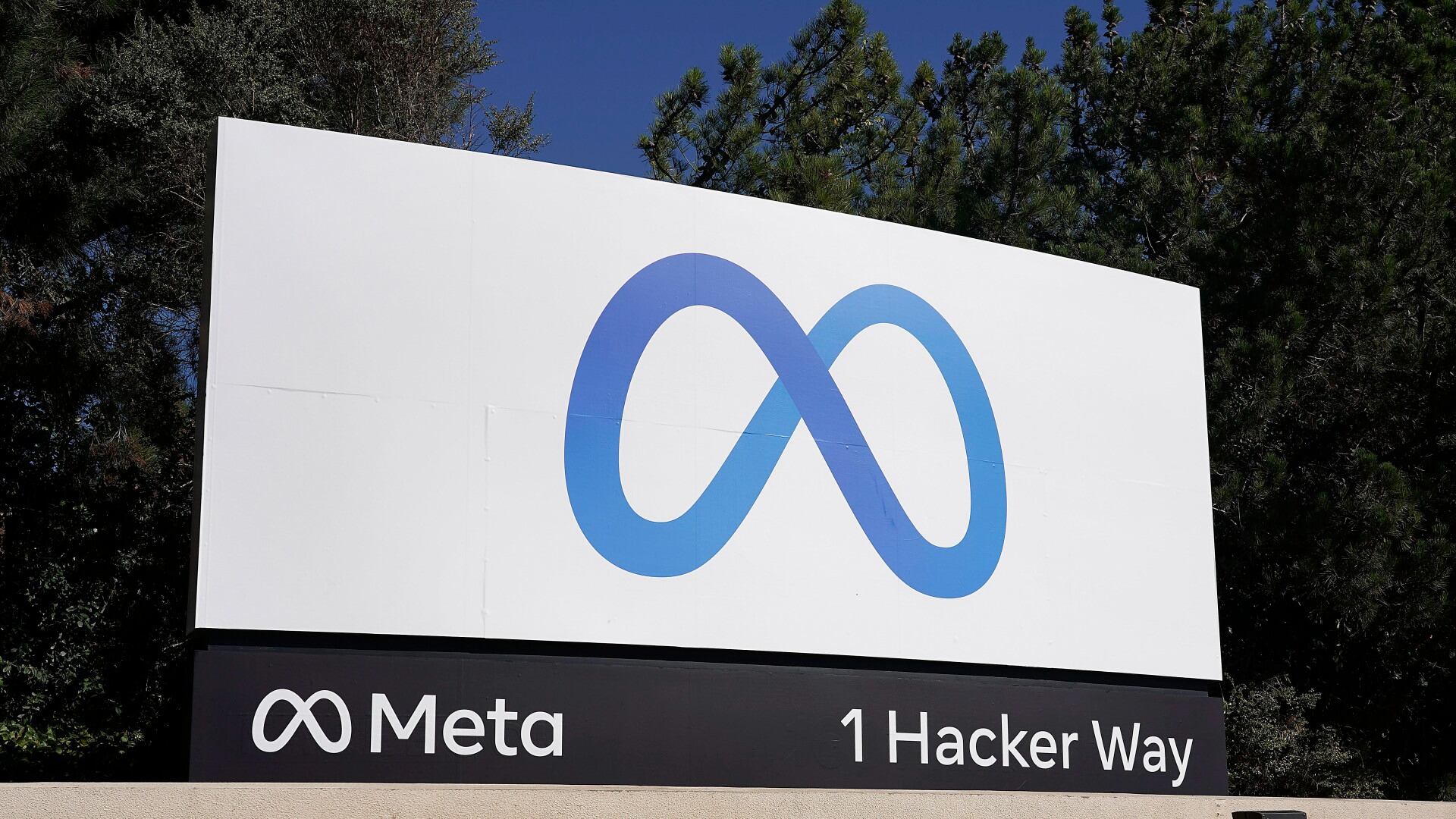
Facebook owner Meta on Wednesday cut positions across its business and operations teams in the final round of layoffs that were first announced in March.
The U.S. economy grew at a lackluster 1.3% annual rate from January through March as businesses wary of an economic slowdown trimmed their inventories, the government said Thursday, a slight upgrade from its initial estimate.