Credit Sesame, an app that helps users access their credit score and manage their credit, is launching a bank account that rewards users for improving their credit — the latest expansion in the rapidly changing fintech sector.
"We're going to offer consumers an industry-first [in] Sesame Cash rewards," Adrian Nazari, Credit Sesame's founder and CEO, told Cheddar.
"So as customers improve their credit, which is what they've been doing, we can put cash in the bank account to promote good behavior. For example, if you improve your score by more than 10 points in any given quarter, we can give you $5 cash."
Nazari said 61 percent of users improve their credit score within the first six months of using the app – 50 percent improve it by 10 points and 20 percent improve it by 50 points.
The move to collect consumer deposits is similar to one by its main competitor, Credit Karma, which launched a high-interest savings account in October. Credit Karma was widely expected to IPO this year but sold for $7 billion last month to TurboTax parent Intuit, which is rumored to be eyeing another fintech acquisition that could include Credit Sesame for between $500 million and $750 million.
Nazari said Credit Sesame is planning to IPO in 2021. The decade-old company raised $43 million in August, bringing its total funding to $110 million. It has not disclosed its valuation but Nazari said that the company has been operationally profitable since 2016 and that "based on the strength of our revenue growth and the Credit Karma acquisition, we believe the company valuation's north of a billion [dollars]."
Like its better-known competitor Credit Karma, Credit Sesame makes money by matching users to credit cards based on their credit profiles and the likelihood they'll be approved for them. The financial partners that appear on the platform pay Credit Sesame whenever customers use those products. It does the same for personal and auto loans.
Adding a bank account will provide the company with more data to analyze users' repayment ability against their credit and ultimately improve and optimize recommendations and prequalifications for approval of the credit products advertised in the app.
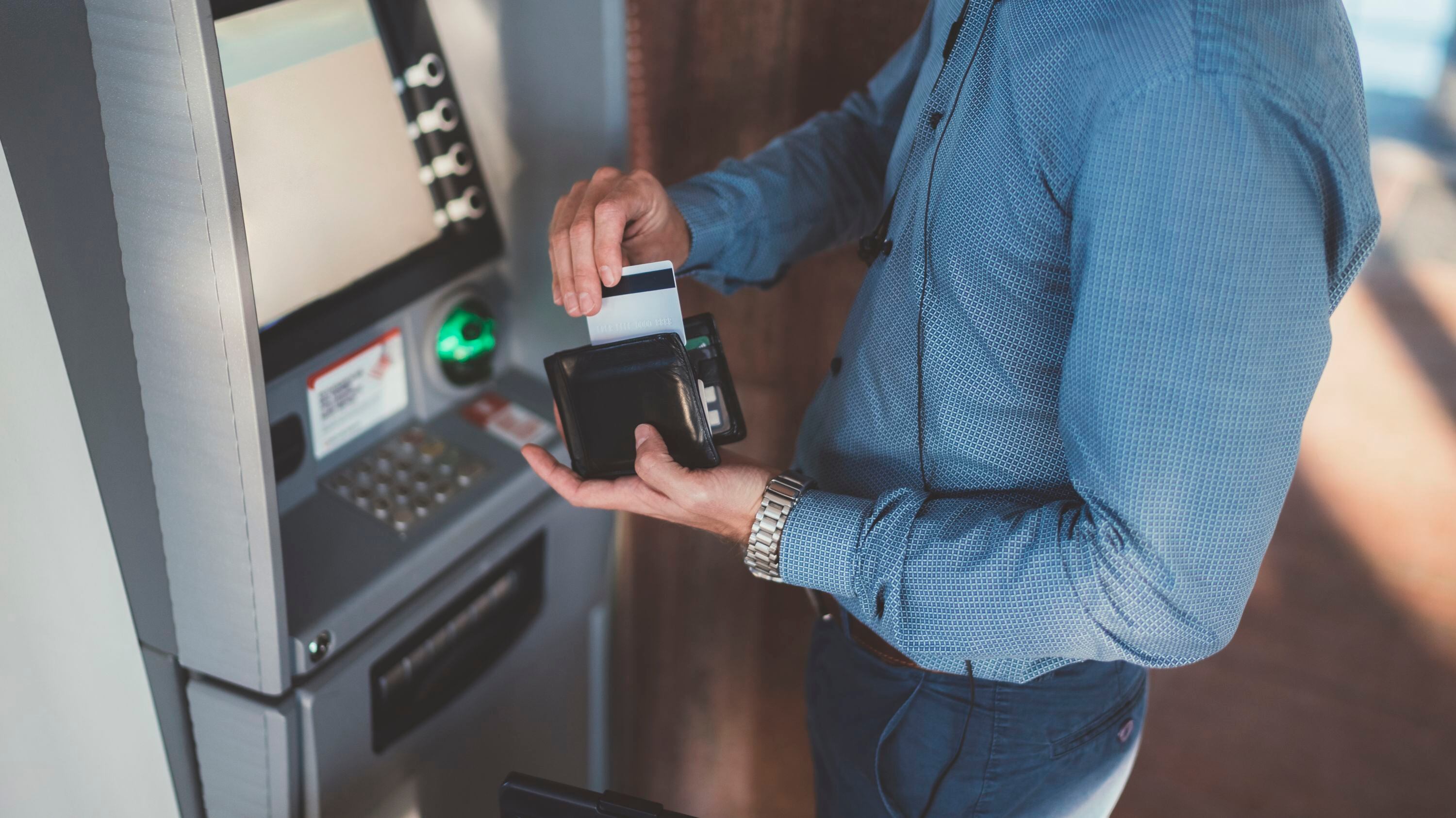
The bank account comes with a zero-liability-protection Mastercard debit card, no overdraft or monthly service fees, free access to a network of 55,000 ATMs, and no minimum balance to maintain. It will be operated by, and FDIC-insured, through Community Federal Savings Bank.
An economic downturn, which is starting to look more and more inevitable due to the global impacts of coronavirus, could inflict some pain on consumers carrying credit card debt. But Nazari said the current financial turmoil will help companies like Credit Sesame.
"What we're experiencing leads consumers, particularly the majority of the population that lives paycheck-to-paycheck and relies on cash and credit, to think about and look for places where they can manage that," as cash and credit "become more scarce," Nazari said.