Some parents whose children have had to remain at home as COVID-19 closed schools for the rest of the academic year may be breathing a sigh of relief as the Northeast region's TLC Family of Camps is set to reopen facilities this summer.
"As long as the governors of the states, New York and Pennsylvania, say that it's okay, we will be open," CEO Jay Jacobs told Cheddar. TLC Family of Camps operates two sleepaway and day camps in New York and one sleepaway summer camp in Pennsylvania.
Pointing to falling numbers of infections, particularly in hard-hit New York state, Jacobs said that he felt confident that his camping programs would be able to maintain the public health and safety of the children in their care.
"I think they're frankly safer than if they just stay home and, with the exception of being locked up in the house, are able to go out and about, I think we can keep children safer in our camp environment," the CEO claimed. "You don't get coronavirus by being bit by a mosquito."
Jacobs said the camps will utilize mass testing ahead of the start of both the sleepaway and day camps, then test again upon arrival of campers. It will also increase the frequency of cleaning and disinfecting of the facilities and equipment and focus on outdoor activities. Many of the safety precautions he covered fell under recommendations issued by the Centers for Disease Control and Prevention for reopening camps this summer.
"People in their own homes, families of four or five, they're not socially distant. They're not wearing masks at the dinner table. Why? Because they know everyone in their home is COVID-free," he said, comparing the concept to creating isolation at the camps.
However, Jacobs did admit that there would be some personnel coming in and out of the camp, such as maintenance workers, who the CEO claimed will be tested daily and will be coming from rural areas not experiencing outbreaks.
The camps will also have plans in place in the event someone tests positive for the novel coronavirus, according to Jacobs.
"Even if someone has COVID-19, with the measures we're taking, the spread will not be that great and we can, through testing, isolate and determine immediately," he said. "Then, as I said, those people will have to leave camp, and their parents know that in advance."
"I think the likelihood of that is so minuscule I really don't worry about it, but I'm prepared for it."
The social video platform's future remains in doubt, as players scramble to profit from the chaos. Plus: Big oil gets bigger, DOGE downsizes, and tariffs!
Ty Young, CEO of Ty J. Young Wealth Management, joins Cheddar to discuss Trump's moves as he returns to Washington D.C. and how it may affect the U.S. economy.
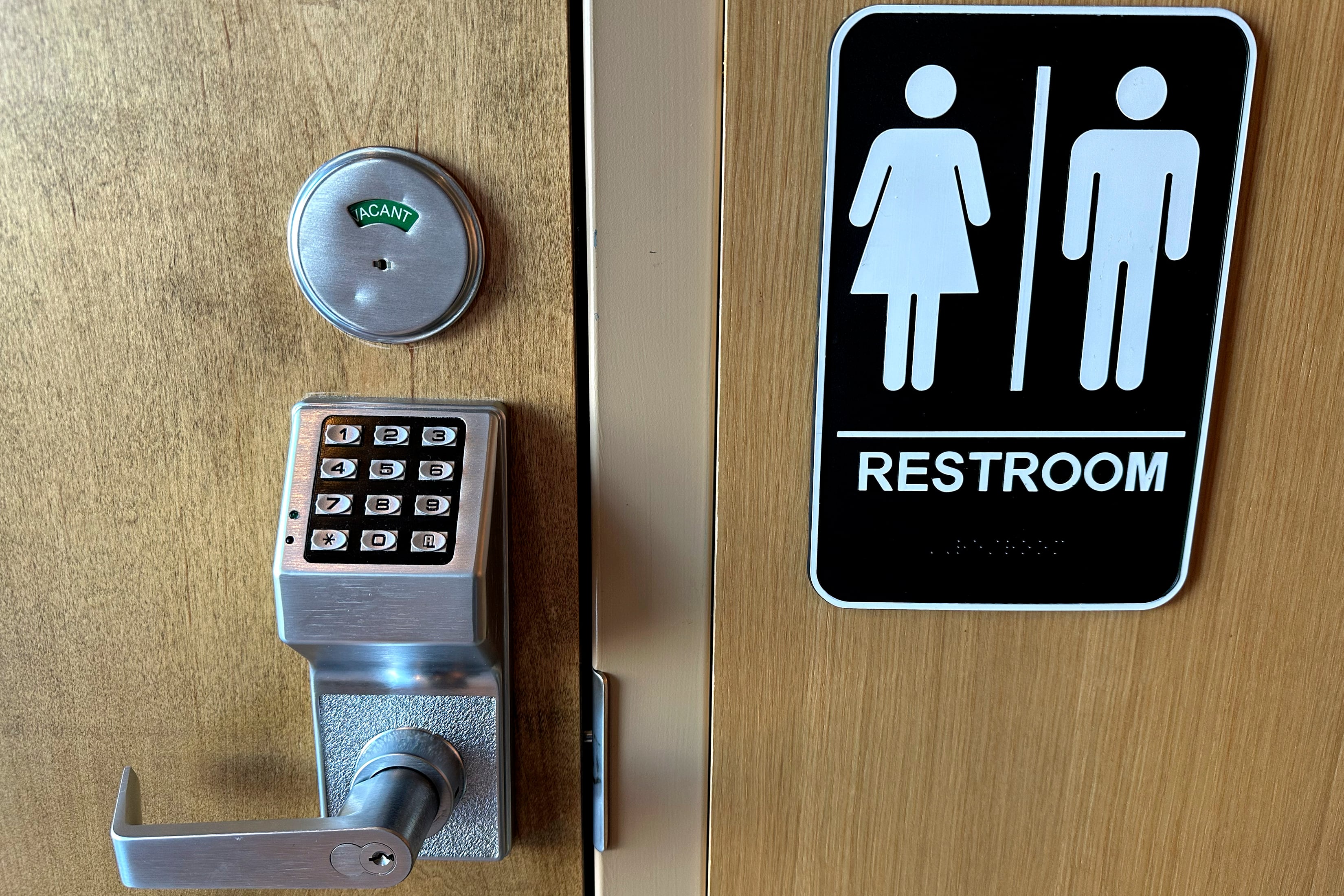
Starbucks’ decision to restrict its restrooms to paying customers has flushed out a wider problem: a patchwork of restroom use policies that varies by state and city. Starbucks announced last week a new code of conduct that says people need to make a purchase if they want to hang out or use the restroom. The coffee chain's policy change for bathroom privileges has left Americans confused and divided over who gets to go and when. The American Restroom Association, a public toilet advocacy group, was among the critics. Rules about restroom access in restaurants vary by state, city and county. The National Retail Federation says private businesses have a right to limit restroom use.
President Donald Trump is talking up a joint venture investing up to $500 billion for infrastructure tied to artificial intelligence by a new partnership formed by OpenAI, Oracle and SoftBank. The new entity, Stargate, will start building out data centers and the electricity generation needed for the further development of the fast-evolving AI in Texas, according to the White House. The initial investment is expected to be $100 billion and could reach five times that sum. While Trump has seized on similar announcements to show that his presidency is boosting the economy, there were already expectations of a massive buildout of data centers and electricity plants needed for the development of AI.
Chris Ruder, Spikeball Founder and CEO, explains how he and his friends put roundnet on the global map, plus, how Spikeball helps people "find their circle."
J.W. Roth, CEO of Venu Holding Corporation, discusses the company's IPO and plans to redefine live music entertainment with their fan founded, fan-owned model.