By Martin Crutsinger
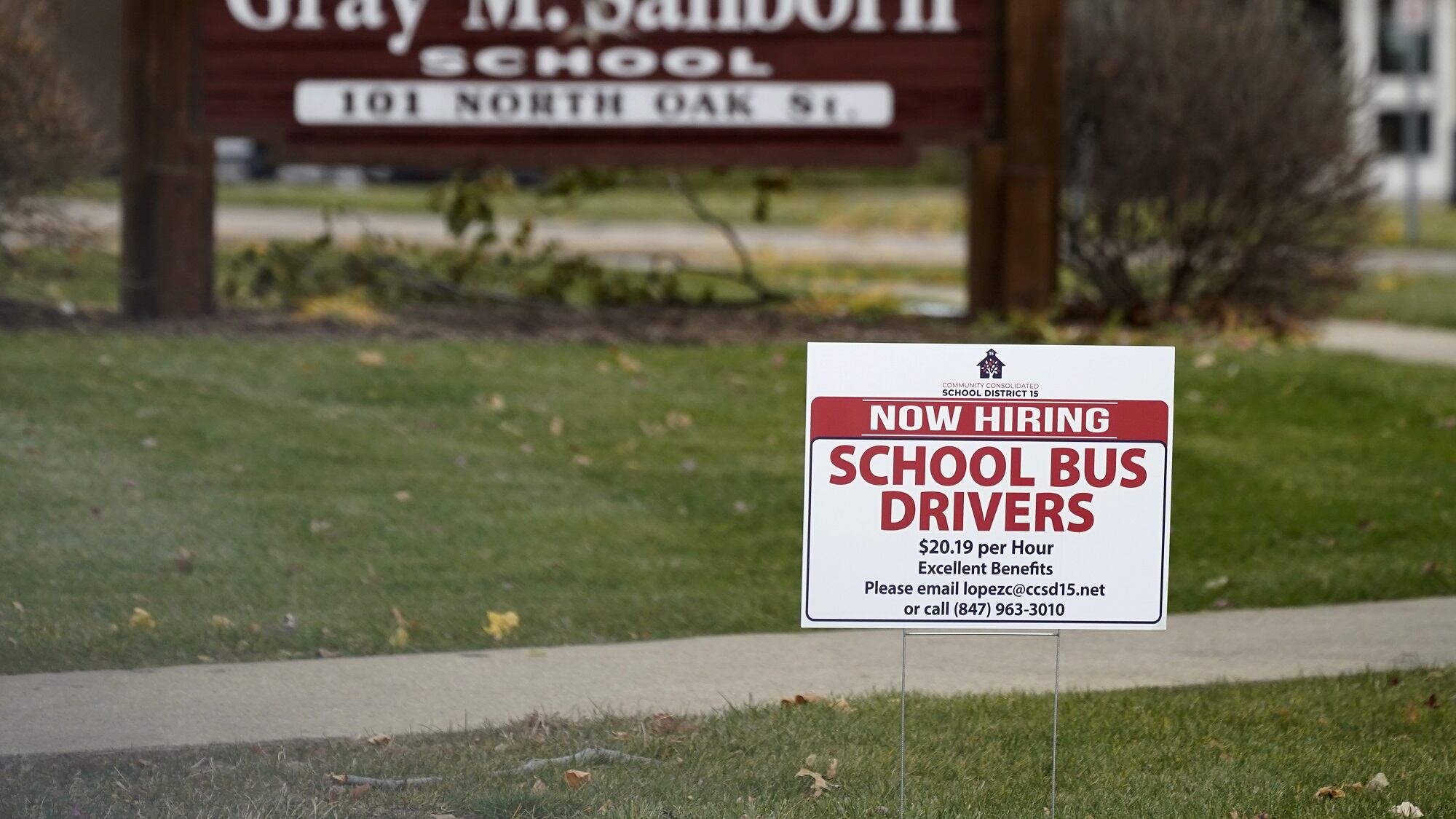
The number of Americans seeking unemployment benefits fell by 19,000 last week to still historically high 787,000 as a resurgent coronavirus grips the U.S. economy.
While at the lowest level in four weeks, the new figures released Thursday by the Labor Department are nearly four times higher than last year at this point before the coronavirus struck. Employers continue to cut jobs as rising coronavirus infections keep many people at home and state and local governments re-impose restrictions.
Jobless claims were running around 225,000 a week before the pandemic struck with force last March, causing weekly jobless claims to surge to a high of 6.9 million in late March as efforts to contain the virus sent the economy into a deep recession.
The government said that the total number of people receiving traditional unemployment benefits fell by 103,000 to 5.2 million for the week ending Dec. 19, compared with the previous week.
The four-week average for claims which smooths out weekly variations rose last week to 836,750, an increase of 17,750 from the previous week.
Economists believe that the holidays, in addition to broad confusion over the status of a Covid-19 relief package, suppressed applications for benefits last week.
Congress finally passed a $900 billion relief bill that would boost benefit payments and extend two unemployment assistance programs tied to job losses from the pandemic. However, President Donald Trump called the measure a “disgrace” because in his view it did not provide enough in direct payments to individuals.
Trump eventually signed the measure on Sunday but sought to pressure Congress to boost the stimulus payments to individuals from the $600 in the bill to $2,000. The Democratic-controlled House quickly passed legislation to meet Trump's demand, but the Republican-led Senate checked that momentum.
Senate Majority Leader Mitch McConnell said Wednesday that the proposal to boost payments to $2,000 has “no realistic path to quickly pass the Senate.”
Meanwhile, the government has begun sending out the smaller payments to millions of Americans. The $600 payment is going to individuals with incomes up to $75,000.
Analysts believe the $900 billion package as it now stands will give the economy a boost, but only as long there are no major problems with the rollout of COVID-19 vaccinations.
Earlier this month, Trump administration officials said they planned to have 20 million doses of the vaccine distributed by the end of the year. But according to data provided by the Centers for Disease Control, just over 11.4 million doses have been distributed and only 2.1 million people have received their first dose.
President Donald Trump deflected criticism about the pace of the vaccine program, saying that it's “up to the States to distribute the vaccines.”
Most economists believe the U.S. economy will rebound at some point next year.
“While prospects for the economy later in 2021 are upbeat, the economy and labor market will have to navigate some difficult terrain between now and then and we expect (jobless) claims to remain elevated,” said Nancy Vanden Houten, lead U.S. economist at Oxford Economics.
Updated on December 31, 2020, at 11:12 a.m. ET with the latest details.