Three Chinese astronauts arrived Thursday at China's new space station at the start of a three-month mission, marking another milestone in the country’s ambitious space program.
Their Shenzhou-12 craft connected with the space station module about six hours after taking off from the Jiuquan launch center on the edge of the Gobi Desert.
About three hours later, commander Nie Haisheng, 56, followed by Liu Boming, 54, and space rookie Tang Hongbo, 45, opened the hatches and floated into the Tianhe-1 core living module. Pictures showed them busy at work unpacking equipment.
“This represents the first time Chinese have entered their own space station,” state broadcaster CCTV said on its nightly news broadcast.
The crew will carry out experiments, test equipment, conduct maintenance and prepare the station for receiving two laboratory modules next year. The mission brings to 14 the number of astronauts China has launched into space since 2003, becoming only the third country after the former Soviet Union and the United States to do so on its own.
All appears to have gone smoothly so far. China's leaders hope the mission will be a complete success as the ruling Communist Party prepares to celebrate the centenary of its founding next month.
The astronauts were seen off by space officials, other uniformed military personnel and a crowd of children waving flowers and flags and singing patriotic songs before blasting off at 9:22 a.m (0122 GMT) atop a Long March-2F Y12 rocket.
The rocket dropped its boosters about two minutes into the flight followed by the cowling surrounding Shenzhou-12. After about 10 minutes it separated from the rocket's upper section, extended its solar panels and shortly afterward entered orbit.
About a half-dozen adjustments took place over the following six hours to line up the spaceship for docking with the Tianhe-1, or Heavenly Harmony, module at about 4 p.m. (0800 GMT).
The travel time is down from the two days it took to reach China's earlier experimental space stations, a result of a “great many breakthroughs and innovations," the mission’s deputy chief designer, Gao Xu, told state broadcaster CCTV.
“So the astronauts can have a good rest in space which should make them less tired," Gao said.
Other improvements include an increase in the number of automated and remote-controlled systems that should “significantly lessen the pressure on the astronauts," Gao said.
Two astronauts on those past missions were women, and while this first station crew is all male, women are expected to be part of future station crews.
The mission is the third of 11 planned through next year to add the additional sections to the station and send up crews and supplies. A fresh three-member crew and a cargo ship with supplies will be sent in three months.
China is not a participant in the International Space Station, largely as a result of U.S. objections to the Chinese programs secrecy and close military ties. However, China has been stepping up cooperation with Russia and a host of other countries, and its station may continue operating beyond the International Space Station, which is reaching the end of its functional life.
China landed a probe on Mars last month that carried a rover, the Zhurong, and earlier landed a probe and rover on the moon's less explored far side and brought back the first lunar samples by any country’s space program since the 1970s.
China and Russia this week also unveiled an ambitious plan for a joint International Lunar Research Station running through 2036. That could compete and possibly conflict with the multinational Artemis Accords, a blueprint for space cooperation that supports NASA’s plans to return humans to the moon by 2024 and to launch an historic human mission to Mars.
After the Tianhe-1 was launched in April, the rocket that carried it into space made an uncontrolled reentry to Earth, though China dismissed criticism of the potential safety hazard. Usually, discarded rocket stages reenter the atmosphere soon after liftoff, normally over water, and don’t go into orbit.
The rocket used Thursday is of a different type and the components that will reenter are expected to burn up long before they could be a danger, said Ji Qiming, assistant director of the China Manned Space Agency.
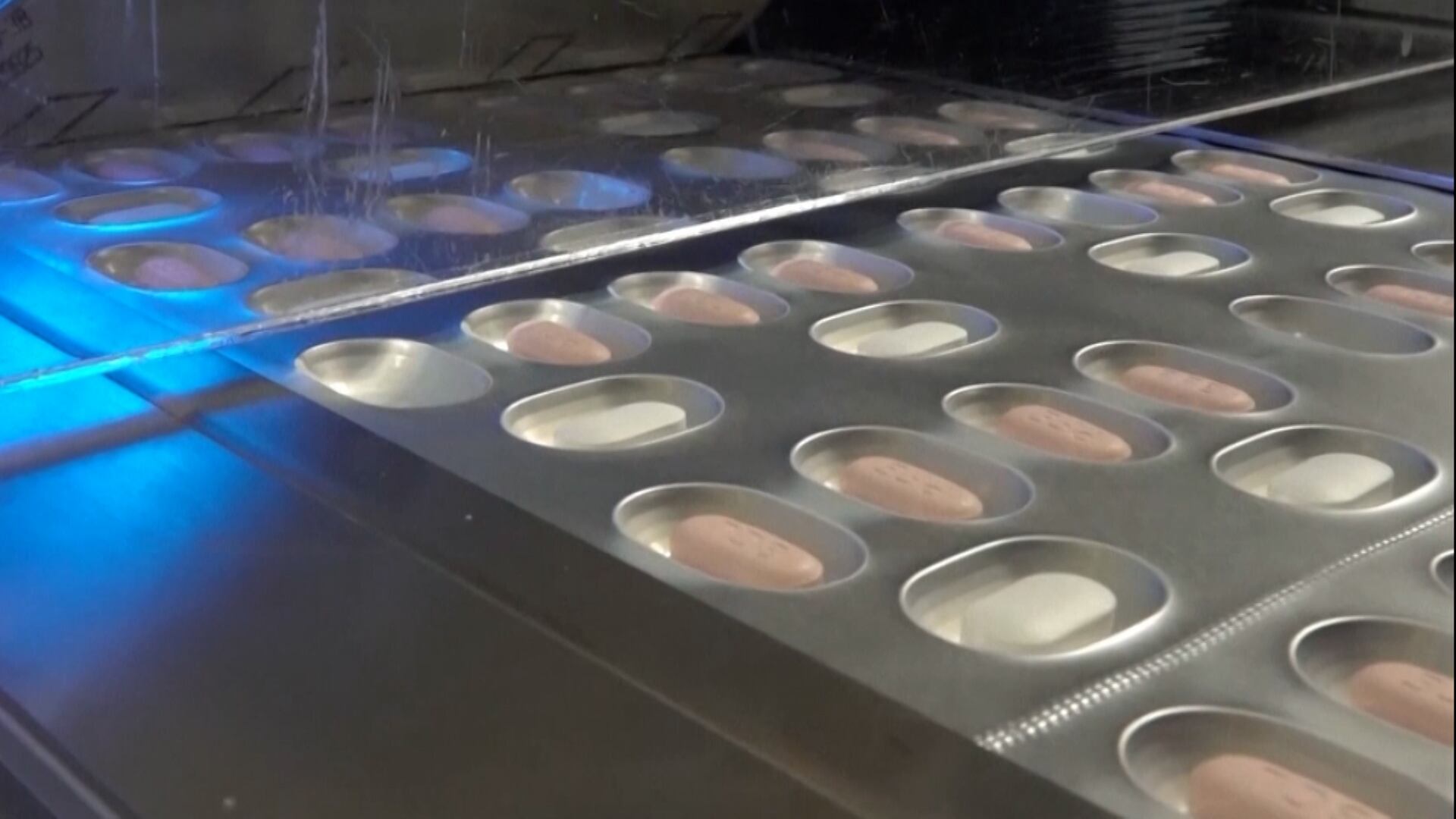
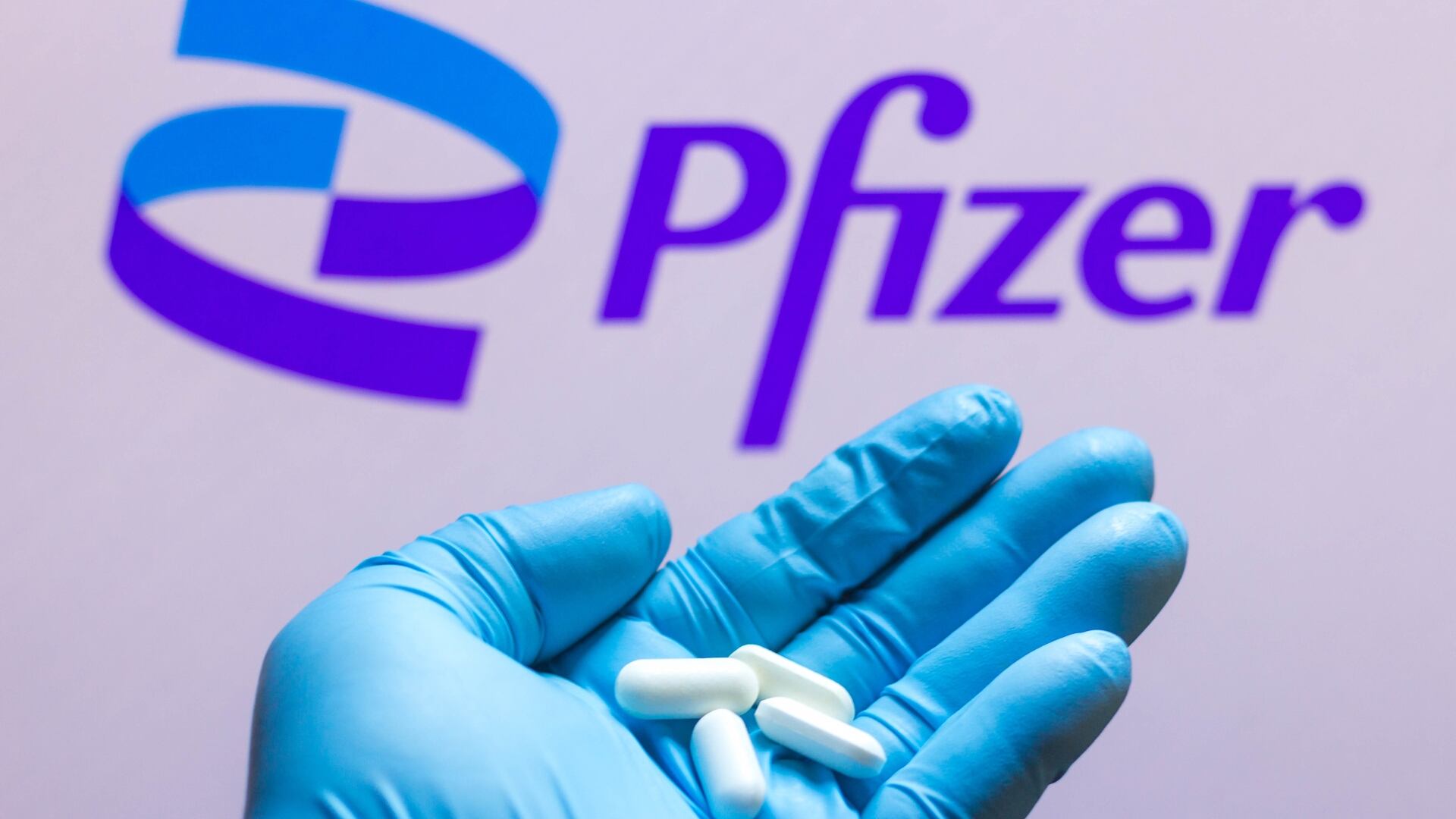
The FDA has granted emergency use authorization to Pfizer's pill to treat covid-19. The treatment, called Paxlovid, is the first antiviral covid-19 pill that people can take at home.
Pfizer says the pill can reduce the risk of severe illness by 90 percent and is intended for people at high risk for severe disease, including those over 65, people with obesity, diabetes, or a weakened immune system. Professor Peter Pitts, Founder, Center for Medicine in the Public Interest & Former FDA Associate joined Wake Up with Cheddar to discuss.
Ahead of a four day week for the markets due to the upcoming Christmas holiday, investors hoping for a quiet end to the year, or even a Santa Claus rally, may not be in luck. Investors are still digesting the latest from the Fed regarding a quicker than expected taper, as well as ever increasing blow back as the Omicron variant spreads. Octavio Marenzi, CEO of Opimas LLC, explains why the markets have been so volatile ever since the emergence of the latest variant and what to expect going forward into 2022.
Carlo and Baker cover the heartening news on the Covid front ahead of the holiday, plus President Biden punting student loan repayments again, a new space telescope and Love, Hate, Ate: Christmas Eve Eve Edition!
Pfizer, one of the makers of a currently available COVID-19 vaccine, has taken another critical step forward in combatting the pandemic by getting regulatory approval for Paxlovid, a pill treatment rather than IV or injection as others have been. Dr. Purvi Parikh, an immunologist with the Allergy and Asthma Network, spoke to Cheddar about the ramifications of the authorization. "This is huge, especially because we know early treatment does keep people out of the hospital, especially with this antiviral," Parikh said. "The fact that people can start a regimen at home so they don't have to leave and further expose others is a big breakthrough." She also explained how the drug is a combination of two antiviral medications that are not without its risks but should be safe over the short term.
This year's worldwide semiconductor shortage limited the supply of everything from new cars to smartphones; and now, many in the chip industry expect the shortage to continue deep into 2022, and maybe even 2023. Semiconductor senior research analyst for Robert W. Baird & Co., Tristan Gerra, joins Cheddar News' Closing Bell to discuss.
Direct health care company Nomi Health recently raised $110 million in a Series A round. Nomi Health lets public and private organizations directly purchase healthcare at reduced costs, and pay providers in real-time. It also delivers healthcare directly to under-served communities via its fleet of mobile care units, which the company says is the largest in the country. Nomi Health says its mission is to improve the health care experience for all Americans. Nomi Health CEO Mark Newman joined Cheddar News' Closing Bell to discuss.
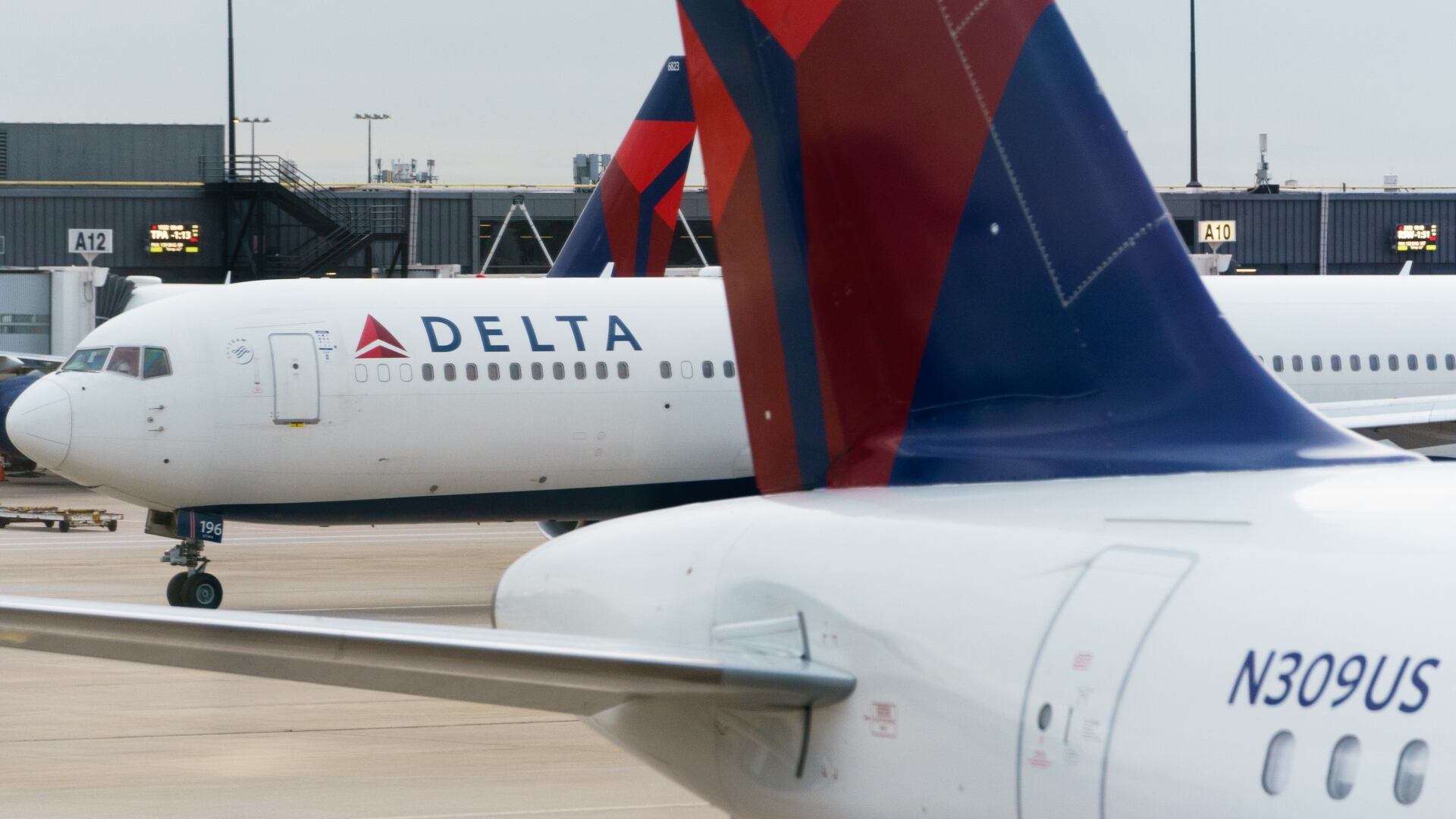
The airline industry says it is contending with staff shortages that threaten to hamper operations amid the COVID resurgence, andDelta Airlines CEO Ed Bastian called on the CDC to revise its guidance for vaccinated workers who test positive from a 10-day quarantine to just five. Chuck Liberman, chief investment officer and managing partner at Advisors Capital Management LLC, joined Cheddar to talk about the current guidance on isolation and why he believes the omicron variant calls for more relaxed guidance given its reportedly mild symptoms.
The boys discuss President Biden's plans to send out free rapid tests as the testing supply chain starts to buckle ahead of the holidays. Also, why aren't Americans having more babies, and The Matrix returns.
NASA is launching its new generation of space telescopes just before Christmas. The James Webb Space Telescope, set to launch on December 24th, will succeed the Hubble space telescope as the world's most powerful complex space observatory. The project has been 30 years in the making and is one of the most highly anticipated space science missions of the 21st century. Klaus Pontoppidan, astronomer and JWST Project Scientist at the Space Telescope Science Institute joined Cheddar's Opening Bell to discuss.
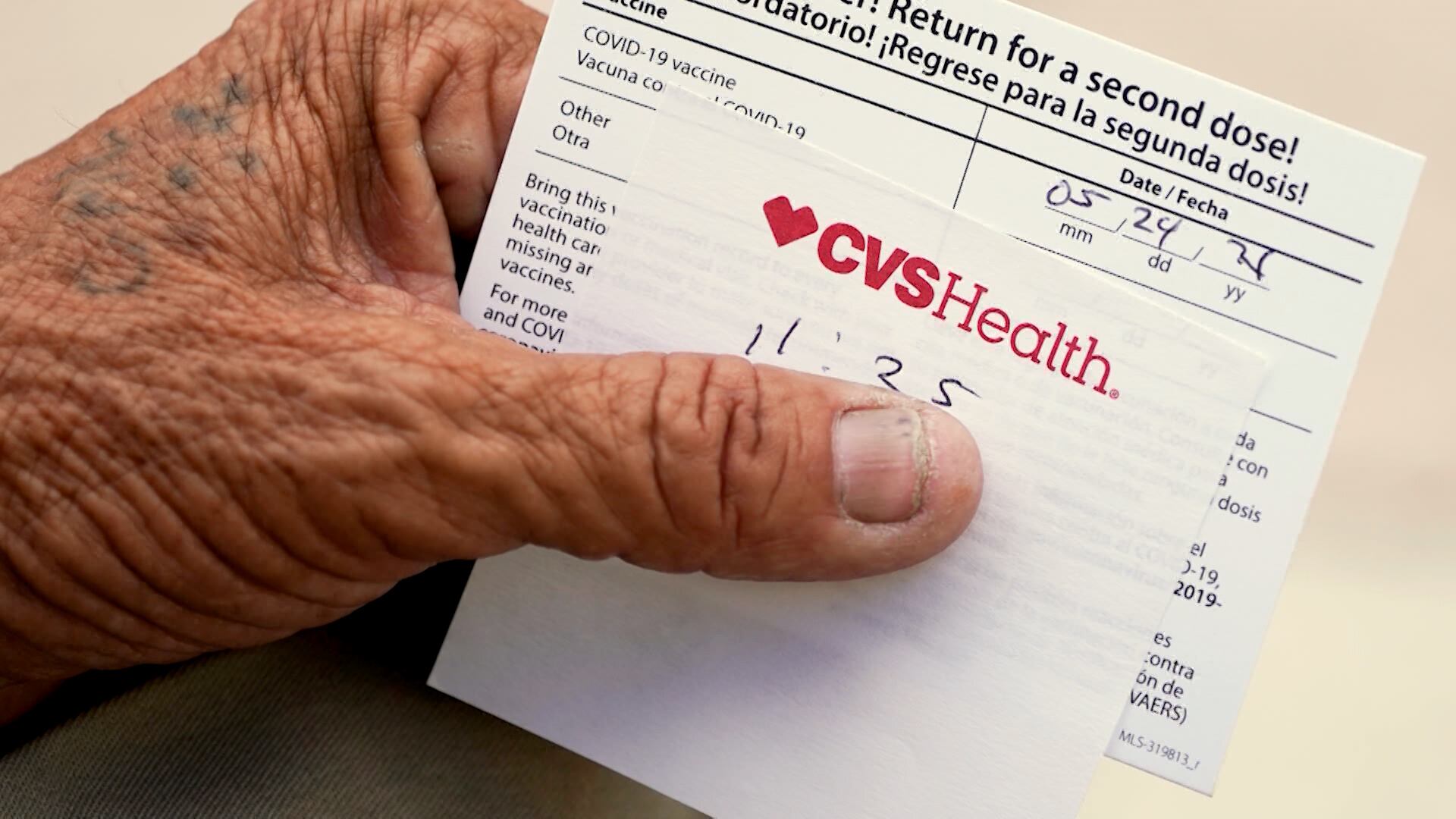
With Omicron becoming the dominant COVID-19 variant in the U.S., President Joe Biden announced that he will make 500 million rapid tests available to Americans in January 2022. Cheddar News speaks with Dr. Shereef Elnahal, President and CEO of University Hospital why testing is key to combatting the spread of the virus.